Ever wondered why the value of the US dollar or Euro goes up or down every time you check? Whether you’re traveling abroad, sending money, or trading forex, you’ve probably noticed that exchange rates fluctuate daily — sometimes even within hours. But what causes these constant changes?
Let’s cut into the real reasons behind daily exchange rate movements and how they affect your wallet.
Basics
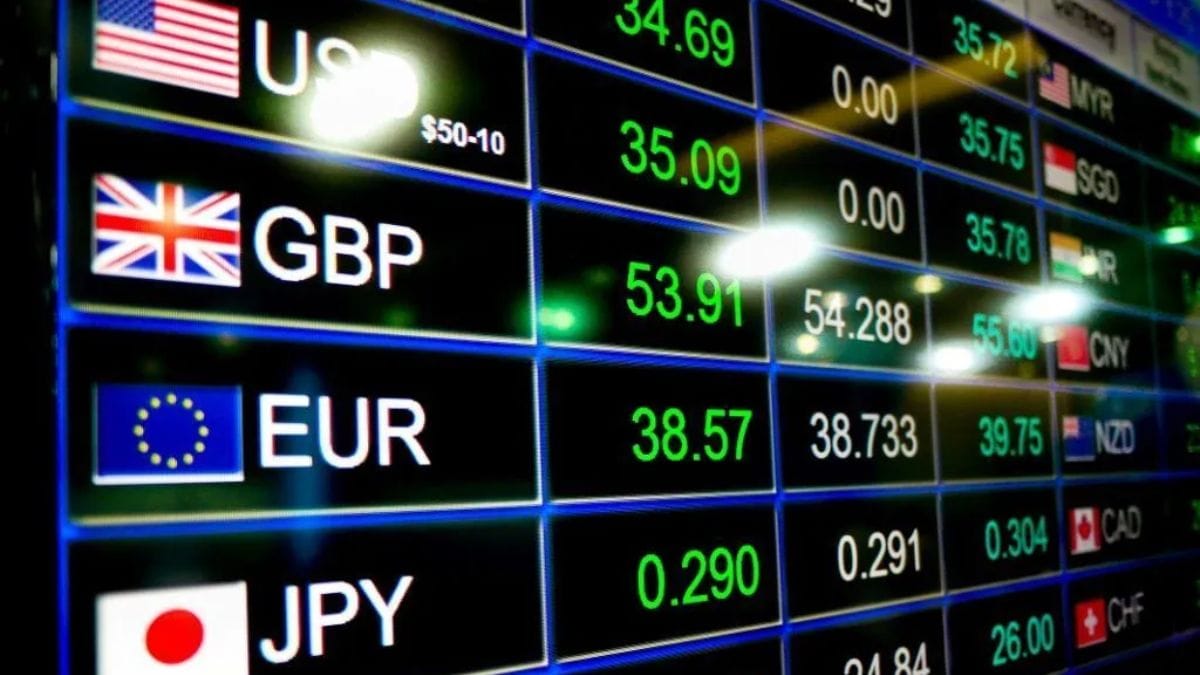
Before we go deeper, let’s clear one thing: exchange rate is the price of one currency in terms of another. For example, if $1 equals ₹83, that’s the USD to INR exchange rate. These rates aren’t fixed — they’re driven by demand and supply in the global foreign exchange (forex) market.
So when more people want dollars, its value goes up. If more people want rupees, the rupee strengthens. It’s just like any product in a market.
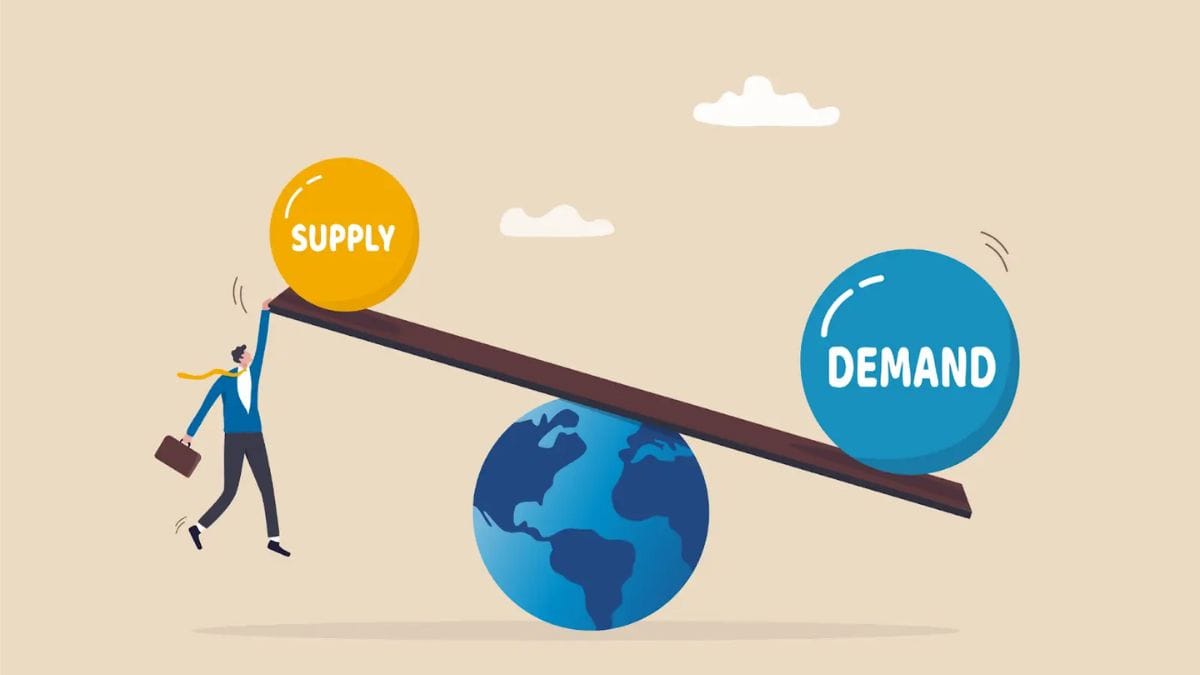
Demand
Like anything in business, currencies also follow demand and supply rules. When a country exports more goods or services, foreign buyers need its currency to make payments. That increases demand and raises its value.
On the flip side, if a country imports more, it needs more foreign currency to pay, increasing demand for the other country’s currency instead.
Example:
| Situation | Impact on Currency |
|---|---|
| High exports | Currency appreciates |
| High imports | Currency depreciates |
Interest
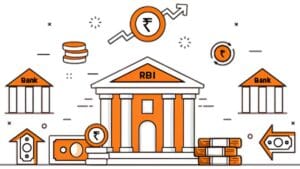
Central banks, like the Reserve Bank of India (RBI) or the US Federal Reserve, control interest rates. When interest rates go up in a country, investors from around the world flock there to earn better returns. This creates demand for that country’s currency, raising its value.
Simple logic:
Higher interest rates = More foreign investment = Stronger currency
When interest rates fall, foreign investors pull out, weakening the currency.
Inflation
Another reason exchange rates fluctuate is inflation. Countries with lower inflation tend to have stronger currencies over time. That’s because their purchasing power remains more stable.
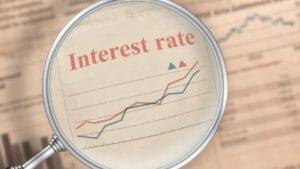
If inflation is high in India, for example, the value of the rupee may fall compared to countries with lower inflation.
Inflation & Exchange Rate Relationship
| Inflation Level | Currency Impact |
|---|---|
| Low | Stable or stronger |
| High | Weaker |
Politics
Yes, politics plays a big role too. Investors crave stability. If a country faces political turmoil — like elections, protests, or policy changes — it can scare off foreign investors. That leads to lower demand for its currency and a drop in value.
Even government announcements, central bank meetings, or changes in trade policies can cause sudden currency movements.
Speculation
Sometimes, it’s not about real demand at all — it’s about what traders think will happen. The forex market is full of speculators who buy or sell based on expectations.
For example, if traders believe the RBI will raise interest rates next month, they might start buying rupees in advance — pushing up its value today.
Central Banks
Central banks often intervene in the forex market to keep their currency stable. They do this by buying or selling their own currency using reserves.
- If a currency falls too fast, the central bank may buy it to boost value.
- If a currency is too strong, they may sell to keep exports competitive.
These actions directly affect daily exchange rate changes.
Global
Exchange rates also react to big global events — think war, pandemics, oil price crashes, or international sanctions. A global financial crisis or geopolitical tension in oil-producing countries can cause investors to panic and shift to “safe haven” currencies like the US dollar or Swiss franc.
So even if your country is stable, global events can shake up your currency value.
Traders
Lastly, the foreign exchange market is open 24×5 and is the most liquid market in the world. Billions of dollars are traded daily by banks, financial institutions, businesses, and individuals. This constant buying and selling based on new data, news, and trends creates daily price fluctuations.
In simple terms: currency values change every day because people trade them every day — and the price adjusts with every trade.
Exchange rates fluctuate daily due to a mix of economic, political, and market-based factors. From interest rates and inflation to global events and trader speculation, many forces pull on a currency’s value.
While some changes are tiny, others can be sharp — and if you’re involved in international business or travel, even a small shift can make a big difference. The forex market never sleeps, and that’s exactly why exchange rates never stand still.
FAQs
Why do exchange rates change daily?
Because of demand-supply, interest rates, and market trading.
Does inflation affect exchange rates?
Yes, high inflation usually weakens a currency.
Can politics change exchange rates?
Yes, unstable politics can scare investors and affect rates.
What is the role of central banks?
They stabilize currency by buying or selling in forex markets.
Are exchange rates same all day?
No, they can change multiple times during a single day.