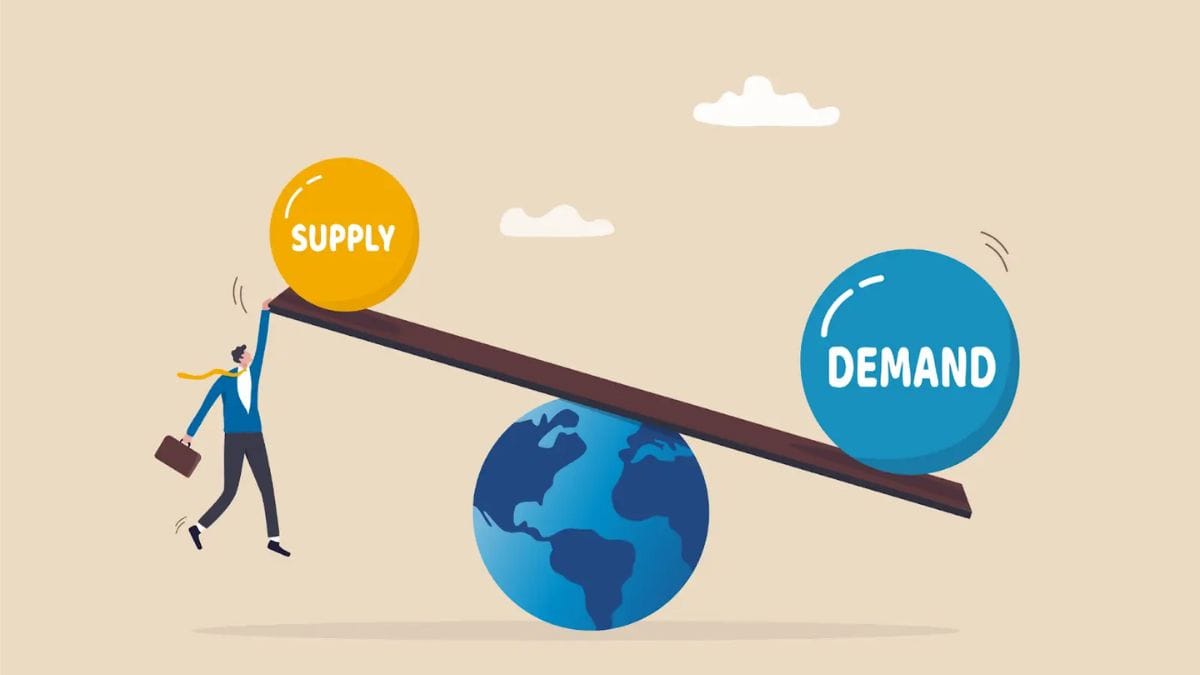
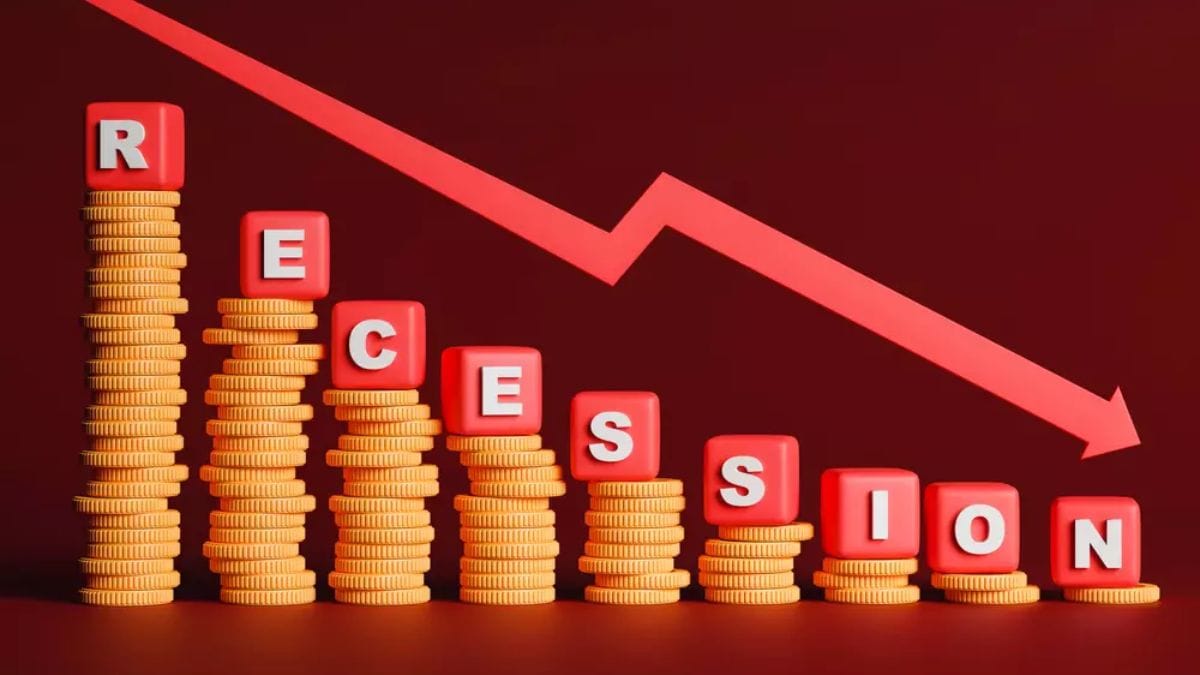
Have you ever noticed how ₹100 doesn’t buy as much as it used to? A few years ago, it could cover snacks, transport, and maybe even a small treat. Today, it feels like it disappears instantly. That change is all about purchasing power. Knowing purchasing power helps you see how money really works in daily life, salaries, savings, and even investments.
Meaning
Purchasing power refers to the value of money based on how many goods or services it can buy. Simply put, it shows how far your money goes.
If you can buy more items with the same amount of money, your purchasing power is high. If you can buy fewer items, your purchasing power is low. Purchasing power is closely linked to prices and inflation.
Simple
Think of purchasing power like the strength of your money. Strong money buys more. Weak money buys less.
For example, if ₹500 can buy 5 meals today but only 3 meals next year, your purchasing power has fallen. The money amount is the same, but its strength has reduced.
Inflation
Inflation is the biggest factor affecting purchasing power. When prices rise, purchasing power falls.
Let’s say a movie ticket cost ₹150 last year and now costs ₹200. Even if your income stays the same, you can afford fewer tickets. This means inflation has reduced your purchasing power.
Salary
Purchasing power matters more than just salary numbers. A higher salary does not always mean better living standards.
For example, earning ₹30,000 in a small town may allow comfortable living, while ₹50,000 in a big city may feel tight. The difference lies in local prices, rent, and daily expenses, which directly affect purchasing power.
Examples
Here are some easy real-life examples to understand purchasing power better:
| Year | Item | Price | What ₹1,000 Buys |
|---|---|---|---|
| 2015 | Groceries | ₹1,000 | Full month basics |
| 2020 | Groceries | ₹1,000 | 2–3 weeks |
| 2025 | Groceries | ₹1,000 | Around 1–2 weeks |
As prices increase, the same ₹1,000 buys less, showing a decline in purchasing power.
Countries
Purchasing power also differs from country to country. ₹1,000 in India buys much more than its equivalent value in many developed countries.
This is why economists use Purchasing Power Parity to compare living standards between countries. It helps show the real value of money instead of just exchange rates.
Savings
Purchasing power plays a huge role in savings. If your savings grow slower than inflation, you actually lose money in real terms.
For example, if your savings earn 5 percent interest but inflation is 6 percent, your purchasing power decreases even though your balance looks higher. This is why people look for inflation-beating investments.
Daily
You experience purchasing power every day without realizing it. Rising vegetable prices, higher fuel costs, or increased school fees all reduce how much your income can cover.
That’s why budgeting, smart spending, and long-term financial planning focus heavily on maintaining purchasing power over time.
Purchasing power is not just an economic term. It directly affects how you live, save, and plan your future. Knowing it helps you make smarter decisions about income, expenses, and investments. When you focus on growing not just money but its real value, you protect your financial well-being in the long run.
FAQs
What is purchasing power in simple words?
It shows how much goods or services money can buy.
How does inflation affect purchasing power?
Inflation reduces what money can buy over time.
Is purchasing power same as income?
No, it depends on prices, not just earnings.
Why does purchasing power fall?
Mainly due to rising prices and inflation.
How can purchasing power be protected?
By saving and investing above inflation.