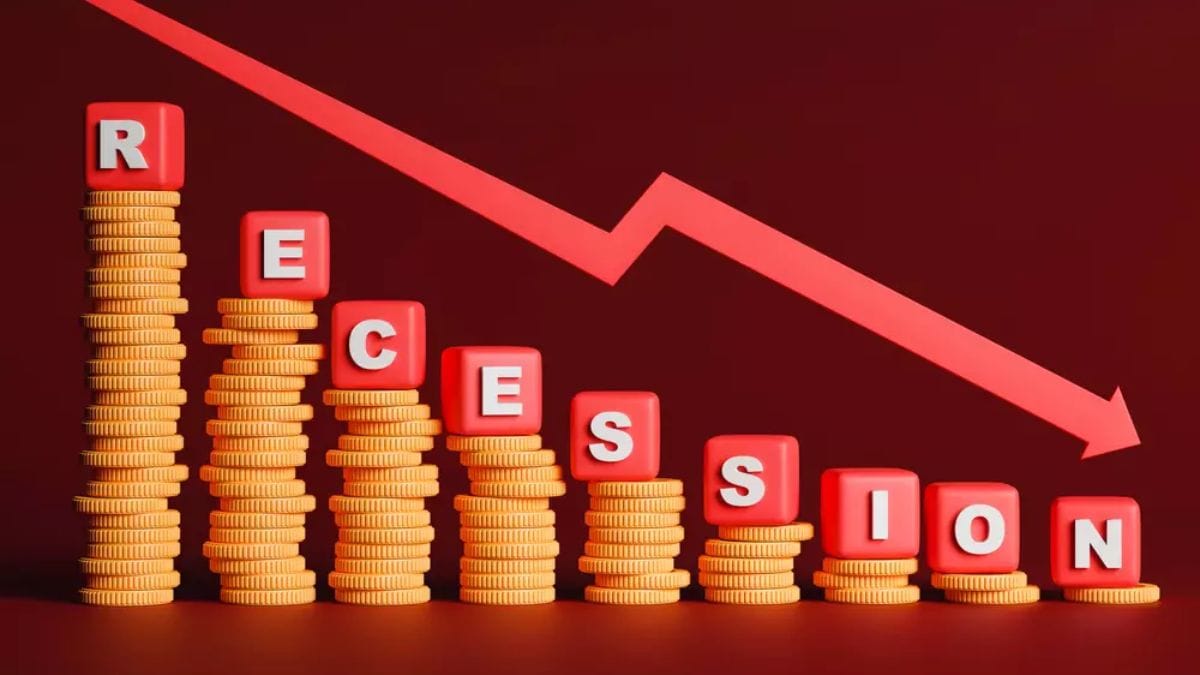
You’ve probably heard the word “recession” tossed around in the news, especially when the economy takes a dip. But what exactly is a recession, and how does it even begin? In this article, we’ll break it down in plain English—no economics degree required. You’ll learn what a recession is, what causes it, how it affects your daily life, and the warning signs that one might be on the way.
Overview
A recession is a period of significant economic decline across the economy that lasts for months or even years. It’s like a financial cold that slows everything down—businesses make less money, people spend less, and jobs become harder to find.
Typically, economists define a recession as two consecutive quarters of negative GDP growth. But there’s more to it than that. Recessions impact income levels, employment, consumer spending, and confidence. It’s not just a drop in numbers—it’s a slowdown that people feel.
Definition
Let’s simplify it:
A recession is a broad, sustained decline in economic activity. It affects:
- GDP (Gross Domestic Product)
- Employment
- Consumer Spending
- Business Profits
- Stock Markets
Think of the economy like a car. In a recession, it’s not just slowing down—it’s stuck in traffic, maybe even stalling.
Causes
Recessions don’t happen randomly. They are triggered by specific events or imbalances in the economy. Here are the most common causes:
1. High Inflation
When prices rise too quickly, consumers can’t afford as much. This leads to lower demand, which slows down production and hiring.
2. High Interest Rates
To control inflation, central banks often raise interest rates. But higher borrowing costs make it expensive for businesses to invest and for people to buy homes or use credit cards.
3. Financial Crises
A sudden collapse of major banks or financial systems can trigger panic. The 2008 global recession started this way, thanks to the housing bubble and poor lending practices.
4. Falling Consumer Confidence
When people feel uncertain about the future, they stop spending. Lower consumer spending = slower business = fewer jobs.
5. Supply Chain Shocks
Natural disasters, pandemics, or wars can disrupt supply chains, causing shortages, inflation, and eventually a slowdown.
6. Bursting Bubbles
When prices in a market (like housing or tech stocks) rise unrealistically and suddenly crash, it can cause economic turmoil.
Early Signs
Want to spot a recession before it hits? Here are the red flags to watch:
- Rising unemployment
- Drop in consumer spending
- Declining GDP
- Falling stock market
- Business layoffs or closures
- Reduced industrial production
Economists and central banks monitor these indicators closely to predict and prevent major downturns.
Timeline
Recessions typically follow a cycle. Here’s what it usually looks like:
Recession Cycle
| Phase | Description |
|---|---|
| Expansion | Economy grows; jobs and spending rise |
| Peak | Growth reaches its highest point |
| Contraction | Economy slows; spending and jobs fall |
| Trough | The lowest point of the cycle |
| Recovery | Growth resumes and economy rebounds |
This cycle can take months or years. The recovery phase can be slow or fast, depending on how deep the recession was.
Impact
Recessions touch everyone. Here’s how:
- Job Losses: Companies cut costs and lay off workers.
- Lower Incomes: Pay raises freeze; bonuses vanish.
- Reduced Investment: Businesses stop hiring or expanding.
- Market Volatility: Stocks, crypto, and mutual funds take a hit.
- Tight Credit: Banks become cautious with loans.
It’s also emotionally taxing—people feel more anxious about the future, and uncertainty can lead to more cautious financial behavior.
Real Examples
Caused by the U.S. housing market crash and poor banking practices, it triggered a global downturn. Millions lost jobs, banks collapsed, and economies took years to recover.
COVID-19 Recession (2020)
A global health crisis led to lockdowns, supply chain disruption, and mass unemployment almost overnight. Governments stepped in with stimulus packages to avoid long-term damage.
Prevention
Can recessions be avoided? Not always. But governments and central banks can try to reduce the severity by:
- Cutting interest rates to encourage borrowing
- Increasing government spending to boost demand
- Providing financial aid or stimulus to businesses and workers
Quick and smart policy responses can stop a recession from turning into a full-blown depression.
Knowing what a recession is and how it starts can help you make better financial choices. Whether it’s building an emergency fund, diversifying investments, or simply staying informed, being prepared makes all the difference. The economy may be unpredictable, but your response doesn’t have to be.
FAQs
What is a recession in simple terms?
A recession is a period when the economy slows down for months.
How long does a recession last?
It can last from a few months to over a year, depending on causes.
What causes a recession?
High inflation, interest rates, financial crises, and low demand.
Can we predict a recession?
Economists look at GDP, jobs, and spending to forecast downturns.
How does a recession affect me?
It may lead to job losses, lower income, and higher financial stress.