Ever wonder why the economy feels like a rollercoaster sometimes? One minute everything’s booming, and the next, it’s layoffs, falling markets, and tighter wallets. That’s not random—it’s part of what’s called the economic cycle. In this article, we’ll break down what an economic cycle is, how it works, and what each phase—boom, bust, and recovery—really means in everyday life.
Overview
The economic cycle, also known as the business cycle, is the natural rise and fall of economic activity over time. It’s like the rhythm of the economy. Sometimes it speeds up (boom), sometimes it slows down (bust), and then it gradually recovers.
Every economy, no matter how strong, goes through this cycle. The timing and length can vary, but the pattern repeats over and over again.
Stages
The economic cycle has four main stages. Let’s walk through each one in simple terms:
1. Expansion (Boom)
This is the good times. Businesses grow, people spend more, jobs are plentiful, and incomes rise.
Key signs:
- High consumer confidence
- Low unemployment
- Stock markets go up
- Companies make big profits
This is when the economy is at full throttle.
2. Peak
At this point, the economy hits its highest point. Everything seems great—but it can’t last forever.
Key signs:
- High demand pushes prices up (inflation)
- Interest rates may rise
- Markets start to slow down
Think of it like a party that’s gone on just a bit too long.
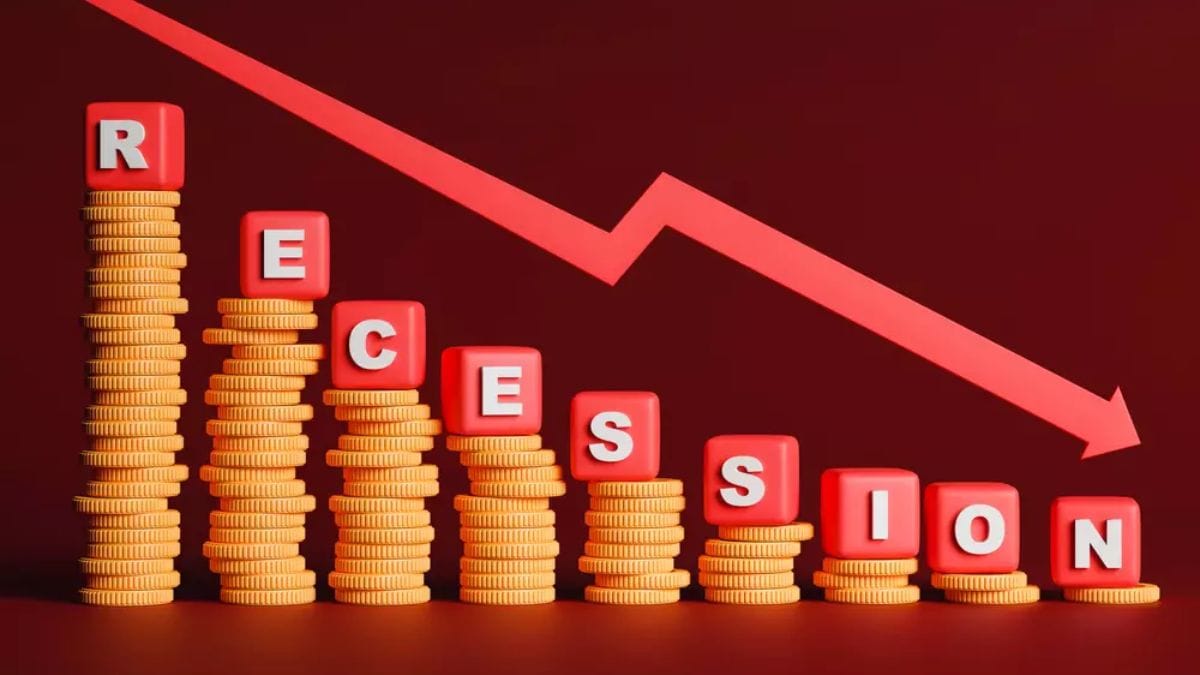
3. Contraction (Bust or Recession)
This is the downturn. Spending drops, businesses cut back, and unemployment rises.
Key signs:
- Negative GDP growth
- Layoffs and cost-cutting
- Lower consumer spending
- Falling stock prices
This can lead to a recession if it lasts more than a few months.
4. Trough
This is the lowest point in the cycle. The economy is at its weakest—but it’s also the turning point.
Key signs:
- Economic activity stabilizes
- Inflation and interest rates fall
- Early signs of recovery appear
It’s the calm before the comeback.
5. Recovery
The economy starts picking up again. Jobs return, spending increases, and businesses begin to grow.
Key signs:
- GDP starts growing again
- Job market improves
- Consumer and investor confidence returns
Recovery eventually leads back to expansion, and the cycle starts all over again.
Economic Cycle at a Glance
| Stage | Economic Signs | Real-Life Impact |
|---|---|---|
| Expansion | Growth, low unemployment, high demand | Better jobs, rising incomes |
| Peak | Overheating economy, high inflation | Cost of living increases |
| Contraction | Falling output, rising joblessness | Layoffs, lower spending |
| Trough | Economy bottoms out | Struggles, but worst is over |
| Recovery | Growth resumes, confidence returns | Job market improves |
Why It Happens
So, what causes the economy to rise and fall like this?
- Consumer behavior: When people spend more, the economy grows. When they hold back, it shrinks.
- Interest rates: Low rates encourage borrowing and growth. High rates slow things down.
- Inflation: Too much growth can lead to rising prices, which then cools down the economy.
- Global events: Wars, pandemics, or oil price shocks can trigger downturns.
- Business investment: When companies invest in new projects, growth happens. When they stop, things slow.
In short, it’s a mix of natural market forces and human reactions.
How It Affects You
Whether you’re a student, employee, investor, or business owner, the economic cycle impacts your day-to-day life.
- During a boom: Jobs are easier to find, wages rise, and investments grow.
- During a bust: Jobs may be cut, savings shrink, and it’s harder to get loans.
- During recovery: Things gradually improve, and confidence returns.
Understanding where we are in the cycle can help you make smarter financial choices—like saving during the boom and investing cautiously during the downturn.
Can It Be Controlled?
Governments and central banks try to smooth out the cycle using tools like:
- Interest rate changes
- Tax adjustments
- Stimulus packages
But they can’t eliminate the cycle completely—it’s a natural part of how economies work.
The economic cycle is like the heartbeat of the economy—sometimes fast, sometimes slow, but always moving. By knowing its stages and patterns, you can prepare better, worry less, and take advantage of the ups while protecting yourself during the downs. Whether it’s boom, bust, or recovery, knowledge is your best financial shield.
FAQs
What is an economic cycle?
It’s the natural rise and fall of economic growth over time.
How many stages are in the economic cycle?
There are four main stages: expansion, peak, contraction, trough.
What causes the economic cycle?
Consumer behavior, interest rates, inflation, and global events.
How does the cycle affect jobs?
Jobs increase during booms and fall during busts.
Can governments stop a recession?
They can slow it down, but can’t always prevent it completely.