Ever wondered why the US dollar sometimes gets stronger while the Indian rupee weakens—or vice versa? Currency values don’t just move randomly. They’re influenced by a mix of economic forces, political decisions, global trade, and investor behavior. Just like stock prices go up and down based on company performance, currencies rise or fall based on how well a country is doing.
In this article, let’s break down exactly how and why currencies gain or lose value, using simple terms and relatable examples.
Basics
A currency’s value is what it’s worth compared to another currency. This is called the exchange rate. For example, if 1 USD equals 83 INR, that means the US dollar is stronger than the Indian rupee.
Currencies are always measured against others—like in a tug-of-war. If one goes up, another goes down. The value is usually decided in the foreign exchange market (Forex), where currencies are bought and sold 24/7.
Demand Supply
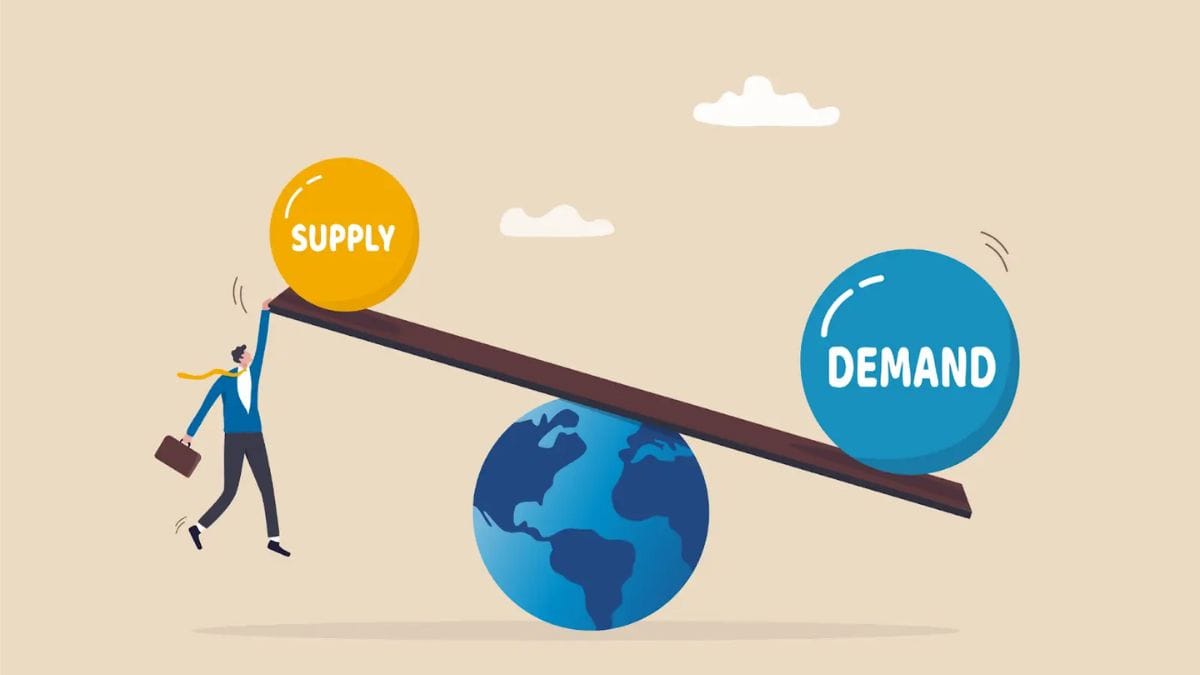
At the core of it, currency value works like any other market—demand and supply.
- If more people want to buy a currency (high demand), its value goes up.
- If fewer people want it or if there’s too much supply, the value drops.
Let’s say India is exporting a lot and getting paid in dollars. This increases demand for the rupee, which strengthens its value. But if India is importing more than it exports, it needs more dollars—raising dollar demand and weakening the rupee.
Interest Rates
One major factor that affects currency value is a country’s interest rate.
Higher interest rates usually attract foreign investors looking for better returns. They need to buy the country’s currency to invest, which increases demand and boosts its value.
For example, if the RBI raises interest rates in India, more foreign investors might bring in dollars to invest in Indian bonds or stocks, increasing rupee demand and making it stronger.
Inflation
Inflation is the rate at which prices of goods and services rise. A country with high inflation usually sees its currency weaken because the purchasing power is falling.
If your 100 rupees can now only buy what 80 rupees could a year ago, the value of the rupee has effectively dropped. Foreign investors are less likely to invest in a high-inflation economy, reducing currency demand.
Economic Growth
A strong and growing economy usually means a stronger currency. Why? Because:
- Investors see growth as a good sign and pour in money.
- Businesses expand, trade increases, and employment rises.
- This leads to higher demand for the currency.
So, if India reports high GDP growth, the rupee may strengthen due to increased investor confidence.
Political Stability
Political events also have a big impact on currencies. Countries with stable governments, strong legal systems, and transparent institutions attract more investment—boosting their currency.
On the flip side, political chaos, corruption, or war scare investors away. This reduces demand for that country’s currency, causing it to lose value.
Trade Balance
A country’s trade balance—the difference between exports and imports—plays a big role.
- Trade surplus (more exports) = strong currency
- Trade deficit (more imports) = weak currency
If India imports more oil than it exports software or goods, it has to spend more foreign currency, reducing rupee value.
Speculation
Forex traders also influence currency values. If traders believe a country’s currency will strengthen, they buy more of it—driving up the price. This is called speculative demand.
But if they expect bad news like rising inflation or political instability, they start selling the currency, causing its value to fall.
Central Banks
Central banks like the Reserve Bank of India (RBI) or the US Federal Reserve also affect currency values. They might intervene in the forex market to buy or sell their currency to stabilize it.
For example, if the rupee drops too fast, RBI may sell US dollars from its reserves and buy rupees. This reduces dollar supply and supports the rupee temporarily.
Here’s a quick summary of the main factors that influence currency values:
| Factor | Effect on Currency Value |
|---|---|
| High Demand | Increases value |
| High Interest Rate | Attracts investment, boosts value |
| High Inflation | Decreases value |
| Economic Growth | Increases investor confidence |
| Political Stability | Strengthens currency |
| Trade Surplus | Supports currency value |
| Forex Speculation | Can raise or drop value fast |
| Central Bank Action | Can control short-term changes |
Knowing how currency value works gives you insight into global markets, international travel, and even how much you pay for imported goods. So next time you hear the rupee “falling” or the dollar “gaining,” you’ll know there’s more to it than just numbers.
FAQs
What makes a currency gain value?
High demand, strong economy, and low inflation boost value.
Does inflation lower currency value?
Yes, high inflation weakens a currency’s purchasing power.
How does interest rate affect currency?
Higher rates attract investors, increasing currency demand.
Can governments control currency value?
Yes, central banks can intervene in the forex market.
Why does rupee weaken against the dollar?
Due to trade deficit, inflation, or global market pressure.