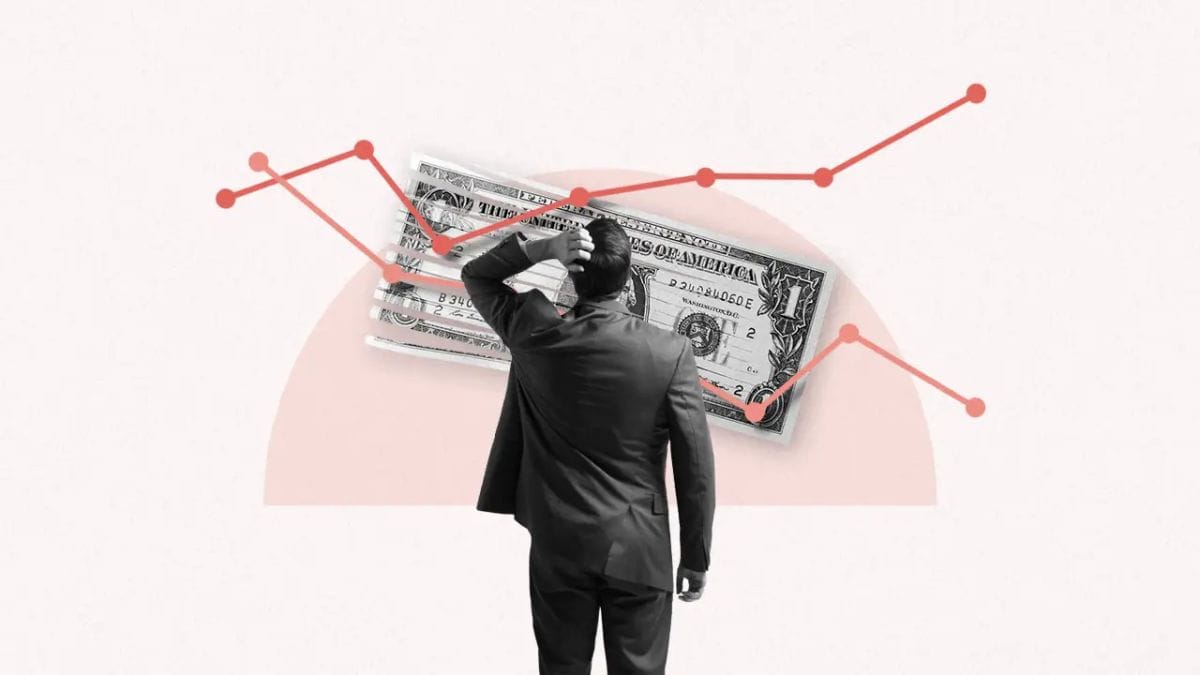
Ever heard the term “stagflation” and felt confused? You’re not alone. It sounds like economic jargon, but it’s actually a very real and serious problem for any country’s economy. In simple terms, stagflation is when inflation is high, economic growth is slow, and unemployment is also rising—all at the same time. Sounds like a nightmare, right? That’s because it is.
Let’s break it down in a simple, no-jargon way so you can finally know what stagflation really means, why it happens, and why it’s so hard to fix.
Meaning
“Stagflation” is a mash-up of two words:
- Stagnation (slow or no economic growth)
- Inflation (rising prices)
So stagflation = stagnant economy + inflation + unemployment.
In a healthy economy, you usually see either inflation with growth (good) or recession with falling prices. But stagflation throws everything out of balance—prices rise while growth stalls and jobs disappear.
Example
Imagine this:
- Prices of food, petrol, and everyday items are going up
- Companies aren’t hiring because the economy is slow
- People are losing jobs, yet they’re paying more for less
That’s stagflation in real life. You earn less, spend more, and the economy just doesn’t move.
Historical Example:
The most famous stagflation happened in the 1970s in the US. Oil prices shot up, inflation spiked, and the economy stopped growing. It was a major economic crisis that shocked economists because it broke all the usual rules.
Causes
So what causes stagflation? It doesn’t just happen randomly. Here are the common reasons:
1. Supply Shocks
When key resources (like oil or food) suddenly become scarce or expensive, it increases production costs. Companies then raise prices, and consumers end up paying more.
2. Poor Economic Policies
Sometimes, governments pump too much money into the economy (causing inflation) without fixing real growth problems. Bad tax rules, over-regulation, or excessive subsidies can slow down business and productivity.
3. Rising Production Costs
If wages, raw material costs, or taxes go up too fast, companies cut jobs to save money but still increase prices to stay profitable. This creates inflation with job loss.
4. Global Crises
War, pandemics, or other international disruptions can reduce growth and increase costs at the same time.
Why It’s a Problem
Here’s the tricky part: most economic tools fix one problem but make the other worse.
For example:
- To reduce inflation, the central bank might raise interest rates
→ but that slows down economic growth even more - To boost growth, the government might cut taxes or spend more
→ but that can increase inflation further
So policymakers are stuck. Fixing one part often breaks another.
Current Scenario
While stagflation isn’t common, it’s been a growing concern post-COVID, especially with:
- Global inflation rising
- Supply chain problems
- Slower growth in major economies
Experts are watching closely, but full-blown stagflation is still rare in most places. However, understanding it helps you see how fragile economies can be when multiple problems collide.
Table Summary
Here’s a quick table to make it even clearer:
| Feature | Normal Economy | Stagflation |
|---|---|---|
| Inflation | Moderate | High |
| Economic Growth | Steady | Stagnant or declining |
| Unemployment | Low or moderate | Rising |
| Consumer Prices | Stable or rising | Rapidly rising |
Can It Be Fixed?
Yes—but it’s complicated. Fixing stagflation usually needs a combination of policies:
- Gradual interest rate hikes
- Targeted spending (not freebies)
- Supporting industries and jobs
- Controlling essential commodity prices
It takes time, balance, and smart leadership, because one wrong move can worsen the crisis.
Stagflation is like a car that’s out of gas, with a flat tire, and still rolling downhill. It’s a tough economic situation because everything seems to go wrong at once—prices soar, people lose jobs, and the economy gets stuck. But with the right mix of smart policies, it can be fixed. The key is understanding it early, staying alert, and responding wisely.
FAQs
What is stagflation in simple words?
It’s when prices go up but jobs and growth go down.
Is stagflation common?
No, it’s rare but very serious when it happens.
Can stagflation be fixed?
Yes, but it needs balanced and careful policies.
What causes stagflation?
Usually supply shocks, bad policies, or rising costs.
When did stagflation happen before?
The US faced major stagflation in the 1970s.