Ever noticed how your favorite snack costs more than it did a few years ago? Or how your parents talk about buying groceries for ₹500 that now cost ₹1500? That’s inflation at work. But what exactly is inflation, and why does it matter? Don’t worry—this beginner-friendly guide breaks it down for you in the simplest way possible.
Meaning
Inflation is the rise in prices of goods and services over time. In simple words, when things cost more than they used to, that’s inflation. It also means the value of money goes down—so ₹100 today doesn’t buy you as much as ₹100 did five years ago.
Think of it like this: If you had ₹10 in 2000, you could buy a full meal. Today, ₹10 might not even get you a cup of tea.
So, inflation reduces your purchasing power—you need more money to buy the same item.
Causes
Why does inflation happen? There are several reasons, but here are the major ones:
| Cause | What It Means |
|---|---|
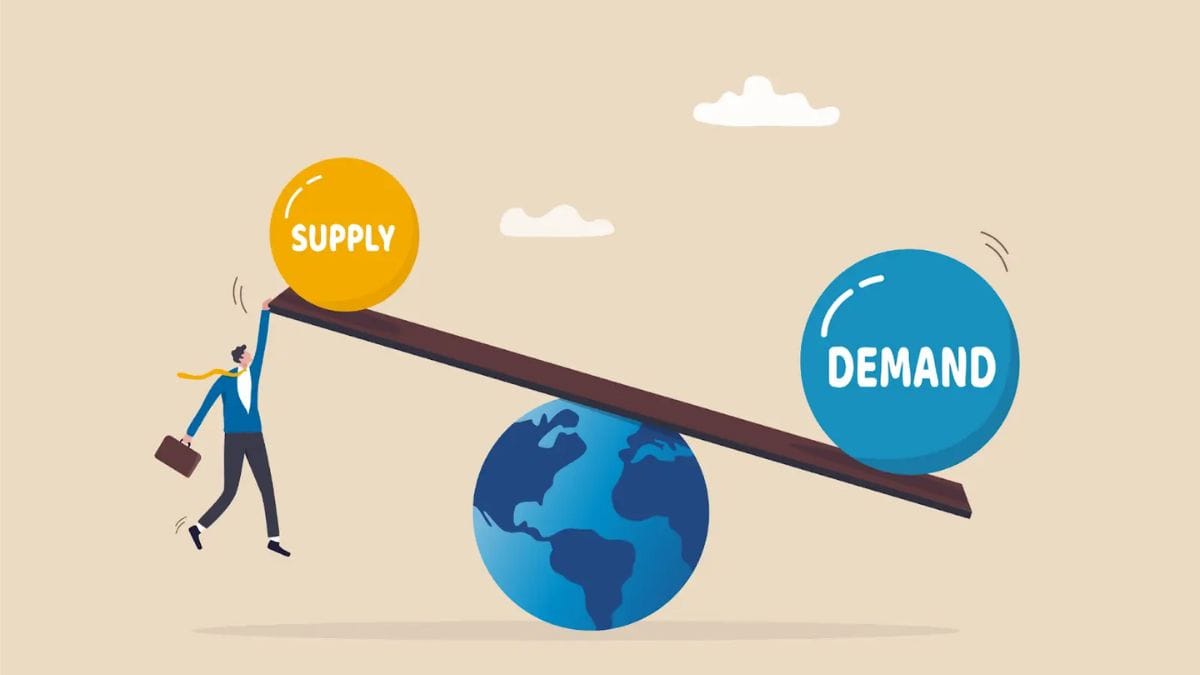
| Demand-Pull Inflation | Too much demand, not enough supply |
| Cost-Push Inflation | Rise in production costs (like fuel, wages, materials) |
| Currency Devaluation | Falling value of local currency compared to others |
| Increase in Money Supply | More money in circulation, less value per unit |
Let’s say everyone suddenly wants onions, but there’s a limited supply. Prices go up. That’s demand-pull. Now imagine transport costs rise due to fuel hikes—that’s cost-push.
Types
Inflation isn’t always bad. There are different kinds, based on how fast prices rise:
| Type | Price Rise Speed | Impact |
|---|---|---|
| Mild Inflation | 1%–5% per year | Normal and healthy for economy |
| Moderate | 5%–20% | Warning signs start showing |
| Galloping | 20%–100% | Hurts economy and public badly |
| Hyperinflation | Over 100% per year | Total collapse of currency value |
India generally experiences mild to moderate inflation, which is manageable.
Measurement
Inflation is measured using price indices. The two most common ones in India are:
- CPI (Consumer Price Index): Measures retail prices paid by consumers
- WPI (Wholesale Price Index): Measures prices at the wholesale level
Let’s focus on CPI, because it affects you directly. It includes prices of food, clothing, rent, transport, and more.
If CPI goes up 6% this year, it means on average, daily expenses cost 6% more than last year.
Effects
Inflation affects almost everyone—especially if it’s high or sudden.
| Who Is Affected | How It Impacts Them |
|---|---|
| Consumers | Have to pay more for everyday items |
| Salaried People | Fixed incomes lose value over time |
| Savers | Value of money in savings declines |
| Borrowers | Loans become easier to repay (good for them) |
| Businesses | Production costs rise, profits can shrink |
A little inflation is healthy—it shows the economy is growing. But too much inflation hurts spending and saving.
Control
Governments and central banks try to keep inflation under control using various tools. In India, RBI (Reserve Bank of India) plays a key role.
Some common ways to control inflation:
- Increasing interest rates: To reduce borrowing and spending
- Reducing money supply: By selling government securities
- Controlling imports/exports: To stabilize product supply
- Subsidies: On food, fuel, or essential goods to lower prices
The RBI aims to keep inflation in India around 4% (with a tolerance of ±2%).
Real-Life Example
Let’s say your bus fare was ₹10 in 2010. Today it’s ₹20. That 100% increase over 15 years is inflation in action.
Or think about milk: ₹20 per litre in 2005, now ₹60 or more. That’s not just price rise—it’s your money losing value slowly over time.
So, saving ₹1000 under your mattress? It won’t have the same power in 10 years. That’s why understanding inflation matters.
Inflation may sound complicated, but at its heart, it’s simple—it means prices rise and your money buys less over time. A little inflation is normal and even healthy for the economy. But when it gets out of hand, it can hurt everyone. By learning how it works, you’ll make smarter financial choices—from saving and investing to spending wisely. Now that’s a power move.
FAQs
What is inflation in simple words?
It means prices go up and money buys less over time.
Who controls inflation in India?
The Reserve Bank of India (RBI) controls inflation policies.
Is inflation good or bad?
Mild inflation is good, but high inflation is harmful.
What is CPI in inflation?
CPI tracks how much consumer prices rise over time.
Does inflation affect savings?
Yes, inflation reduces the value of money saved.