A savings account is often the first step in anyone’s financial journey. Whether you’re a student, a working professional, or someone starting to manage money independently, a savings account helps you keep your money safe while earning a little extra. It may sound simple, but knowing how a savings account works can help you build better money habits for life.
Meaning
A savings account is a bank account designed to store money securely while earning interest. You can deposit money, withdraw it when needed, and use basic banking services.
The main purpose of a savings account is to encourage saving rather than spending. Banks pay interest on the balance you maintain, which means your money slowly grows over time.
Purpose
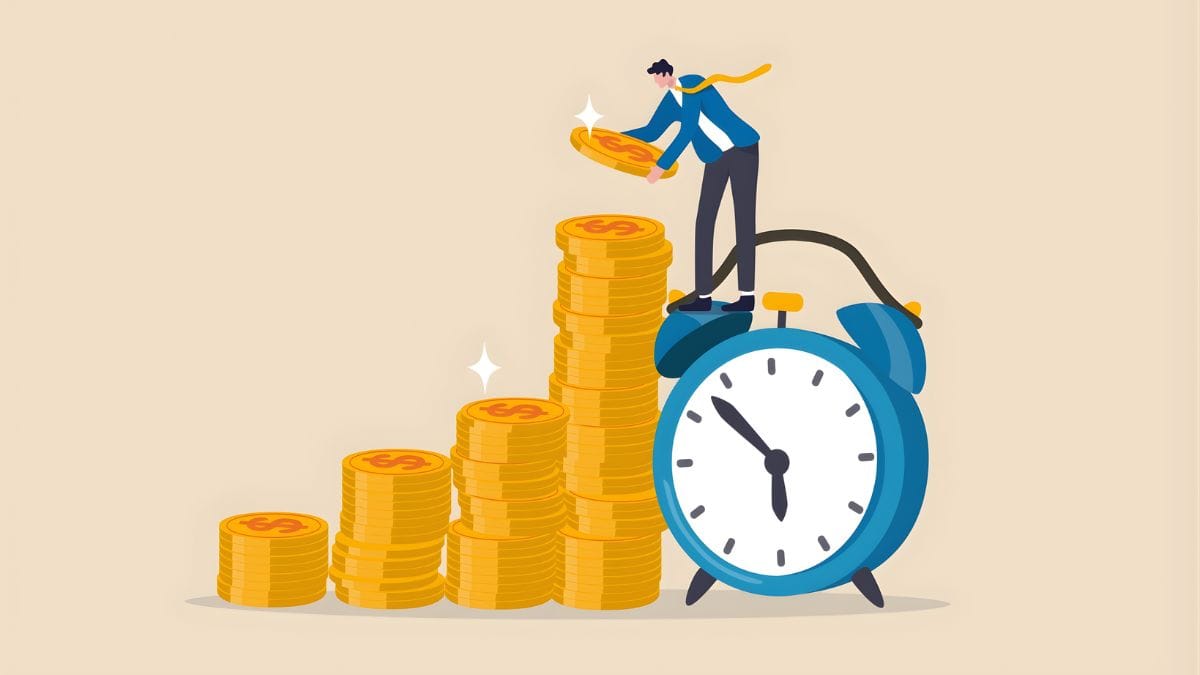
Think of a savings account as a parking place for your money. Instead of keeping cash at home, you store it safely in a bank and earn interest.
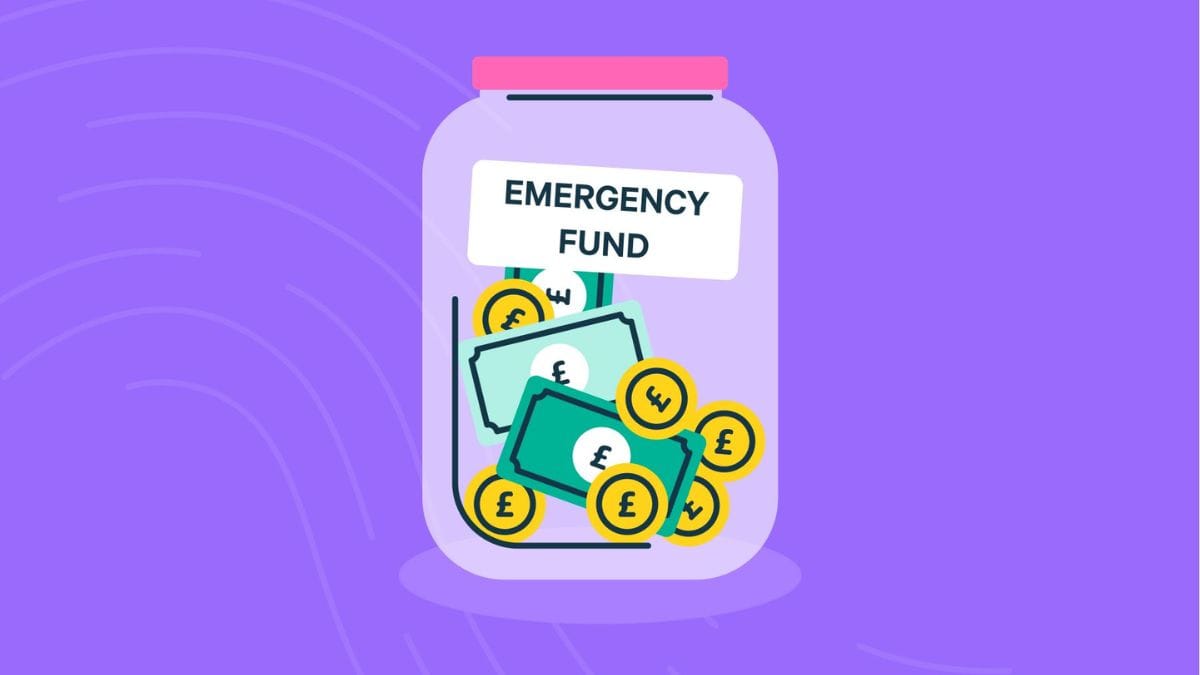
People use savings accounts to keep emergency funds, salary money, or short-term savings. It’s ideal for money you may need soon but still want to protect.

How
Opening and using a savings account is simple. You deposit money through cash, cheque, online transfer, or salary credit. The bank keeps track of your balance and pays interest periodically.
You can withdraw money using ATM cards, online banking, UPI, or by visiting the bank branch. Most banks also provide mobile apps to manage accounts easily.
Interest
Interest is the extra money the bank pays you for keeping your funds with them. Savings account interest rates are usually lower than fixed deposits but higher than keeping cash idle.
For example, if a bank offers 3 percent interest and you keep ₹50,000 in your account for a year, you earn around ₹1,500 as interest, before tax.
Example
Here’s a simple example to understand savings accounts better:

| Deposit | Interest Rate | Interest in 1 Year |
|---|---|---|
| ₹20,000 | 3% | ₹600 |
| ₹50,000 | 3% | ₹1,500 |
| ₹1,00,000 | 3% | ₹3,000 |
Your money stays safe, liquid, and earns modest returns.
Types
There are different types of savings accounts to suit different needs. Regular savings accounts are common for daily use. Salary accounts are offered to employees with zero balance requirements.
Students get special savings accounts with minimal balance rules. Senior citizens often enjoy higher interest rates and additional benefits.
Benefits
Savings accounts offer safety, liquidity, and convenience. Your money is protected by the banking system, and you can access it anytime.
They also help build financial discipline. By separating savings from spending money, you’re more likely to manage expenses wisely and prepare for emergencies.
Limits
While savings accounts are useful, they are not meant for long-term wealth creation. Interest rates may not beat inflation over time.
Banks may also limit the number of free withdrawals or transactions each month. Keeping very large amounts idle in savings accounts may reduce overall returns.
Safety
Savings accounts are considered one of the safest places to keep money. In India, deposits are insured up to a certain limit under deposit insurance rules.
Using bank apps, secure passwords, and two-factor authentication further protects your account from fraud.
A savings account is like the foundation of your financial house. It keeps your money safe, accessible, and slightly growing. While it won’t make you rich, it gives you stability, control, and confidence to manage your finances better. Once you master savings accounts, you’re ready to look into smarter saving and investment options.
FAQs
What is a savings account used for?
It is used to save money safely and earn interest.
Is a savings account safe?
Yes, banks provide strong safety and insurance.
How much interest does a savings account earn?
Usually between 2 to 4 percent per year.
Can I withdraw money anytime?
Yes, savings accounts allow easy withdrawals.
Is savings account good for long-term savings?
It’s better for short-term and emergency funds.