Choosing the right bank account might seem simple, but when you’re faced with terms like “savings account” and “current account,” it can get confusing fast. Don’t worry—we’re breaking it down in plain language. Whether you’re saving for a rainy day or running a business, knowing the difference can help you manage your money smarter.
Purpose
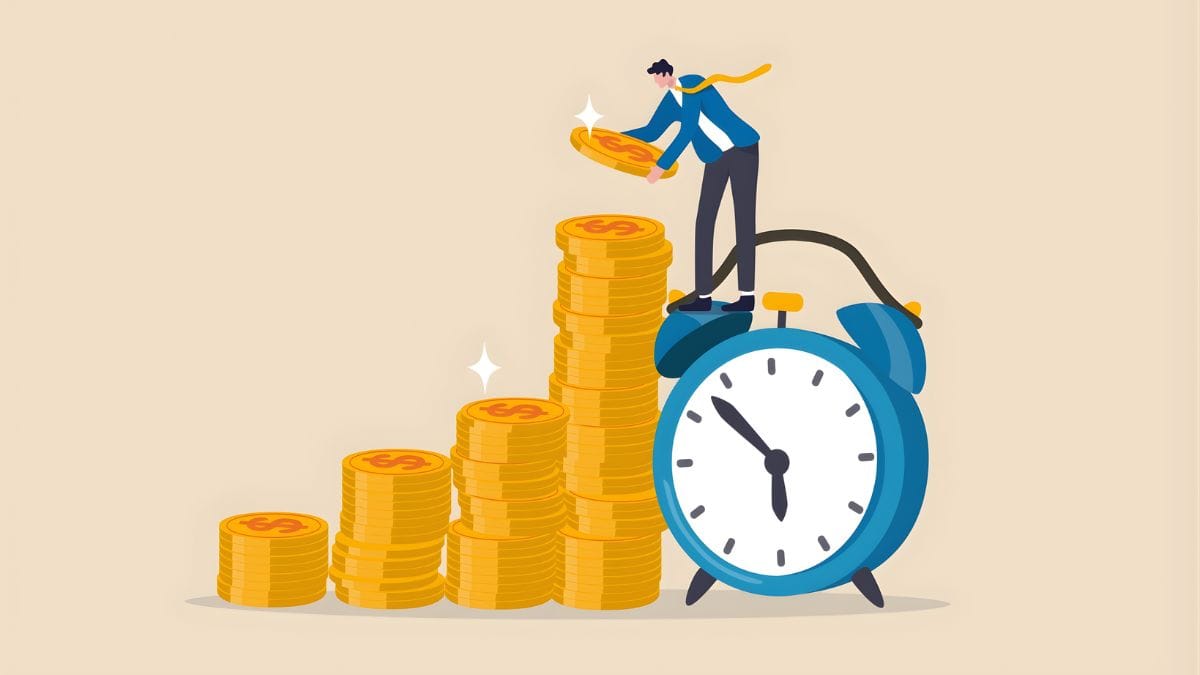
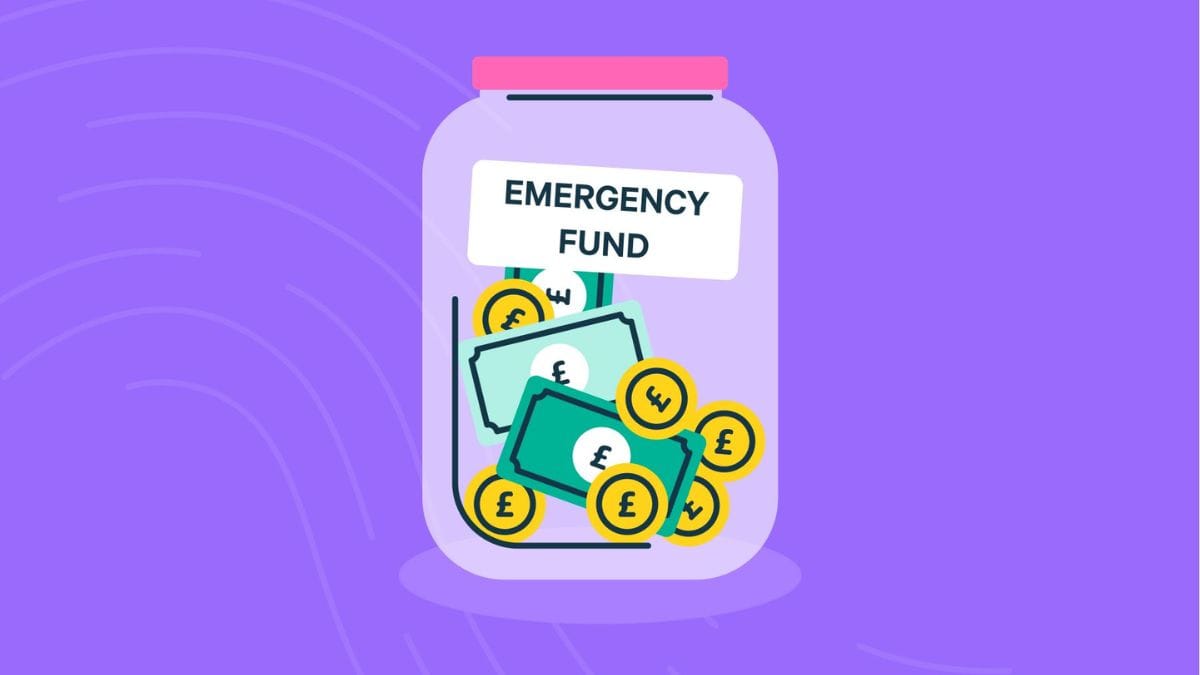
The biggest difference lies in why each account exists. A savings account is meant for storing money and earning a little interest over time. It’s ideal if you’re saving for future goals like a vacation, emergency fund, or buying a car.
A current account (also called a checking account in some countries) is built for frequent, everyday transactions. It’s best for people or businesses that need to move money in and out regularly.
In short:
- Savings = Save and grow
- Current = Spend and manage cash flow
Features
Let’s look at how both accounts stack up:

| Feature | Savings Account | Current Account |
|---|---|---|
| Purpose | Save money | Daily transactions |
| Interest | Yes (usually) | Rarely or none |
| Withdrawal Limit | Limited per month | Unlimited |
| Fees | Low or no fees | Often has monthly charges |
| Overdraft Facility | Usually not offered | Commonly available |
| ATM/Debit Card | Yes | Yes |
| Best For | Individuals saving money | Businesses & frequent users |
Savings accounts help your money grow slowly over time. Current accounts help you access and move money easily without restrictions.
Interest
One of the most attractive features of a savings account is the interest you earn. The bank rewards you for keeping money in the account. While the rates aren’t sky-high, it’s still passive income.
Current accounts typically don’t offer interest because they’re not meant for holding funds. They’re meant for quick, frequent transactions like paying bills, writing checks, or managing payroll.
Access
Savings accounts often come with withdrawal limits, especially on how many times you can transfer or withdraw funds each month. This discourages excessive spending and helps you actually save.
Current accounts have unlimited transactions, which makes them the go-to choice for people or businesses who need to make frequent payments or deposits.

If you’re someone who wants to stash cash and let it sit, a savings account works. But if you’re constantly swiping, transferring, or managing cash flow, a current account is your friend.
Overdraft
Overdraft is when you spend more than what’s in your account. Current accounts usually offer overdraft facilities, letting you temporarily go negative—though you’ll pay interest or fees.
Savings accounts usually don’t allow overdrafts. You’re limited to the balance you have, which keeps your finances in check.
This feature makes current accounts better for managing unexpected or urgent expenses, especially in business.
Suitability
Still not sure which account is right for you? Here’s a simple breakdown:
- Choose a savings account if:
- You want to build an emergency fund
- You don’t need frequent access to funds
- You want to earn some interest
- Choose a current account if:
- You run a business or freelancing operation
- You handle daily or high-volume transactions
- You need easy access to funds with no limits
Summary
Here’s a quick comparison table:
| Criteria | Savings Account | Current Account |
|---|---|---|
| Use | Saving | Spending/Managing money |
| Interest | Yes | Rarely or no interest |
| Transactions | Limited | Unlimited |
| Ideal For | Individuals | Businesses/Frequent users |
| Overdraft Facility | No | Yes |
| Maintenance Charges | Low or none | May have monthly fees |
Knowing the difference between savings and current accounts isn’t just financial jargon—it helps you make smarter money choices. Use savings accounts to grow your cash safely, and rely on current accounts to manage daily expenses. Many people actually use both to strike a balance between saving and spending.
FAQs
What is a savings account for?
It’s for saving money and earning interest over time.
What is a current account used for?
For frequent, everyday financial transactions.
Do savings accounts have limits?
Yes, on the number of monthly withdrawals.
Can I get interest on a current account?
Usually no, current accounts rarely offer interest.
Which account suits businesses?
Current accounts are best for business use.