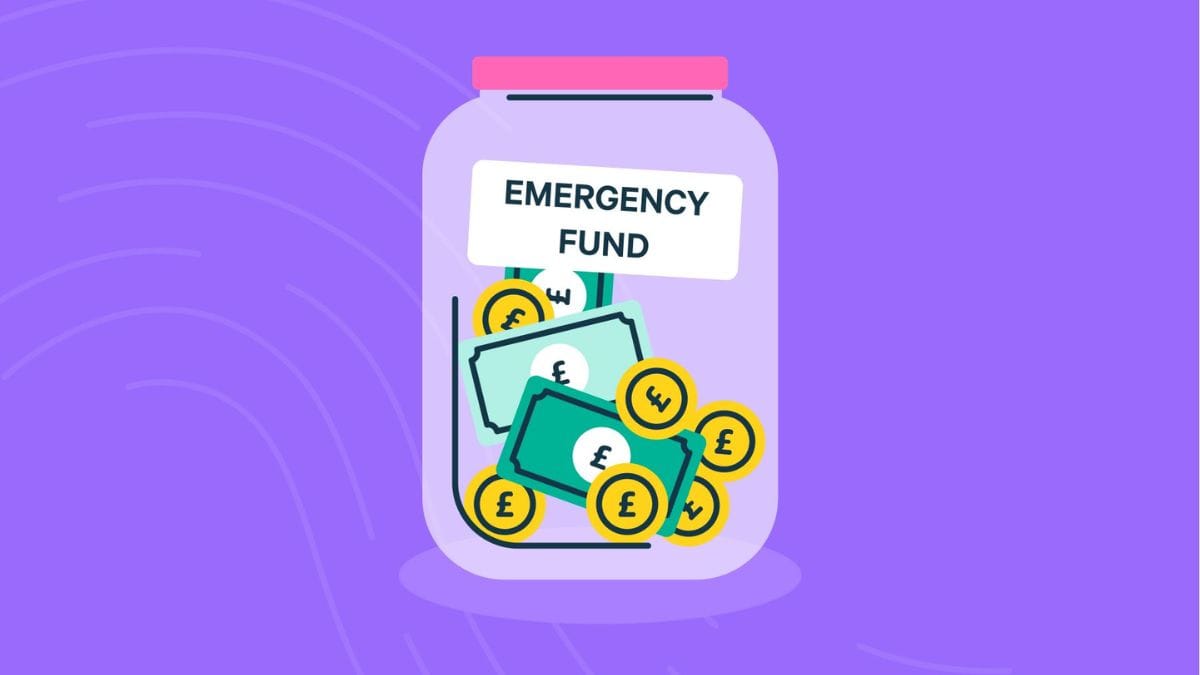
Ever had an unexpected medical bill, job loss, or urgent car repair throw off your entire budget? That’s exactly why an emergency fund exists—to be your financial cushion when life throws a curveball. But how much should you actually save in it? Let’s break it down in simple terms so you know exactly what you need and how to build it.
Overview
An emergency fund is money set aside specifically for unexpected expenses. It’s not for vacations or shopping sprees. It’s for the things you didn’t see coming—like losing your job, sudden medical issues, home repairs, or urgent travel.
Think of it as your financial safety net. When life hits hard, this fund helps you stay on your feet without going into debt.
Goal
So, how much is enough?
The general rule is to save 3 to 6 months’ worth of living expenses. But the exact amount depends on your personal situation, income stability, and lifestyle.

Example:
If your monthly expenses are ₹30,000, here’s how much you’d need:
| Duration | Amount Needed |
|---|---|
| 3 Months | ₹90,000 |
| 6 Months | ₹1,80,000 |
This fund should cover all basic needs like rent, groceries, utilities, EMIs, and healthcare.
Factors
The size of your emergency fund can vary based on a few key factors:
1. Job Stability
- Stable job? 3 months might be enough.
- Freelancer or contract worker? Aim for 6–9 months.
2. Dependents
If you support a family, parents, or kids, you’ll need more in your fund.
3. Health Conditions
Chronic illness or lack of health insurance? Pad that fund a little more.

4. Debts
If you have loans or EMIs, your emergency fund should also account for those payments.
5. Lifestyle
Live in an expensive city or have higher monthly costs? Adjust your target accordingly.
Where to Keep It
You want your emergency fund to be safe, accessible, and separate from your daily spending account.
Best options:
- High-interest savings account
- Liquid mutual funds
- Sweep-in fixed deposits
Avoid locking it in long-term investments like PPF or real estate—it needs to be available at a moment’s notice.
How to Build It
If the target amount feels big, don’t stress. Start small and stay consistent.
Step-by-step plan:
- Set a monthly goal – even ₹2,000/month adds up over time.
- Automate savings – set up auto-transfers to your emergency fund account.
- Cut non-essentials – skip one meal out per week and move that money to your fund.
- Use bonuses or tax refunds – they’re great boosters for your savings.
Saving your emergency fund is like building a wall—one brick at a time. Eventually, you’ll have strong protection.
When to Use It
Use your emergency fund only for real emergencies, like:
- Job loss
- Major health expenses
- Essential home or vehicle repairs
- Unexpected travel due to family emergency
Don’t dip into it for planned purchases, festivals, or lifestyle upgrades.
When to Refill It
If you use your emergency fund, try to replenish it as soon as possible. Treat it like a priority bill.
Tip:
- Set short-term saving goals to refill it within 6–12 months.
- Pause non-essential spending until it’s back to full strength.
Having an emergency fund is like owning a financial umbrella—it won’t stop the storm, but it’ll keep you dry. Whether you’re just starting out or fine-tuning your finances, building this buffer gives you peace of mind and the confidence to handle whatever comes next.
FAQs
What is an emergency fund?
It’s money saved for unexpected expenses like job loss or medical bills.
How much emergency fund do I need?
Aim for 3–6 months of your essential living expenses.
Where should I keep my emergency fund?
In a savings account, liquid mutual fund, or sweep-in FD.
Can I use my emergency fund for a vacation?
No, it’s meant only for real emergencies, not planned expenses.
How do I rebuild my emergency fund?
Save monthly, use bonuses, and cut back on extras to refill it.