You’ve probably heard the word “stagflation” in news reports, especially when the economy’s not doing too well. But what does it really mean? Is it inflation? Is it recession? Or a weird mix of both?
Well, you’re not alone if you’re confused. Stagflation is one of those tricky economic terms that sounds more complicated than it actually is. Let’s break it down into simple language so you finally understand what stagflation really is, what causes it, and why it matters.
Meaning
Stagflation is the nasty combo of two big problems in an economy happening at the same time:
- Stagnation – the economy slows down or stops growing
- Inflation – prices of goods and services go up
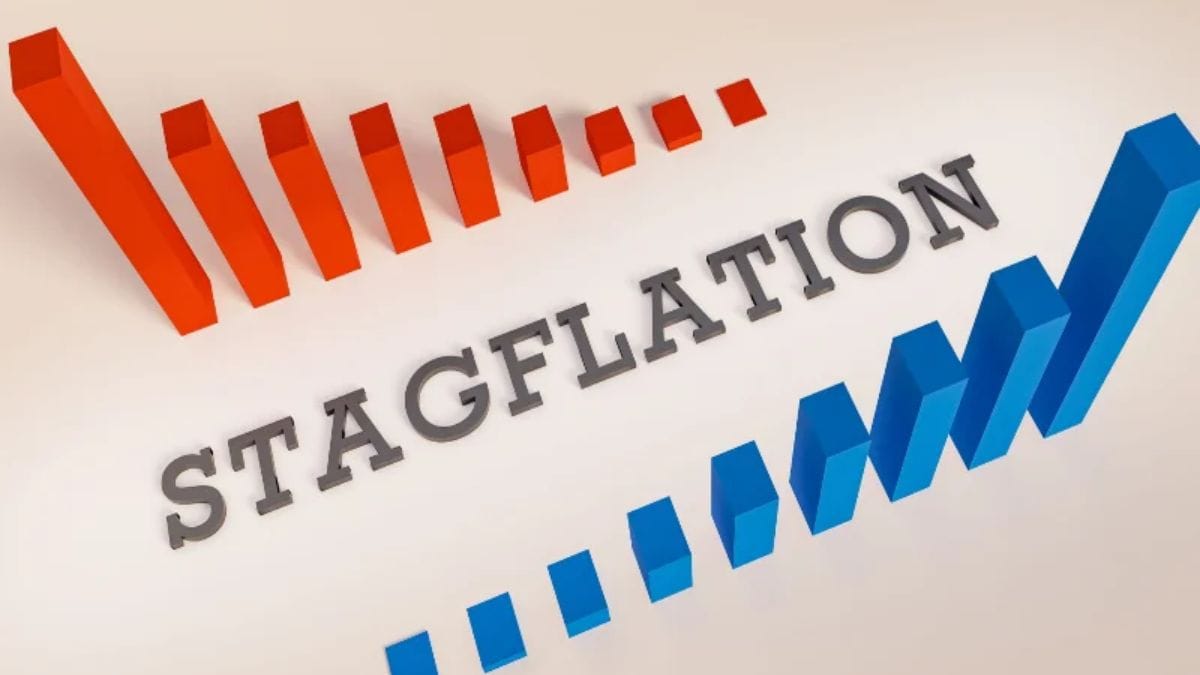
Now usually, when inflation rises, the economy is booming—people are spending more, demand is high. And when the economy slows down, inflation usually drops. But during stagflation, both happen at once—prices go up and the economy struggles. It’s like driving a car that’s running out of fuel while the engine overheats.
So, stagflation = slow growth + high inflation + high unemployment
History
The term became famous in the 1970s during a major economic crisis in the US and UK. Oil prices skyrocketed, people lost jobs, but prices kept rising. It shocked economists because their usual theories couldn’t explain it.
Before that, inflation and unemployment weren’t expected to go up together. The 1970s changed that thinking forever.
Causes
So, what causes stagflation? There’s no single answer, but here are the main reasons:
1. Supply Shock
When the supply of something important (like oil or food) suddenly drops, prices shoot up. Companies pay more for raw materials and pass the cost on to customers. At the same time, production slows down because input costs are too high.
Example: The 1973 Oil Crisis—when oil prices quadrupled overnight, leading to inflation and job losses.
2. Poor Economic Policies
Sometimes governments make bad calls—like printing too much money or raising taxes at the wrong time. This can make inflation worse without fixing growth.
Example: If the government spends more to boost the economy but doesn’t control inflation, it can backfire.
3. Wage-Price Spiral
When workers demand higher wages to keep up with rising prices, companies increase prices again to pay those wages. It becomes a cycle—more inflation, fewer jobs.
4. High Interest Rates Over Time
If interest rates stay high, borrowing becomes expensive. Companies invest less, jobs disappear, and the economy slows down—while inflation from past policies still lingers.
Effects
Stagflation can mess up a country’s economy in several ways:
- Unemployment: Fewer jobs, especially in manufacturing and services
- Lower Purchasing Power: Prices rise, but salaries don’t
- Investment Decline: Businesses pull back, uncertain about profits
- Higher Interest Rates: Central banks may raise rates to control inflation, making loans costlier
And for the average person? Groceries get expensive, job hunting gets harder, and savings lose value.
Example
Here’s how stagflation might look in real life:
| Factor | Normal Economy | Stagflation |
|---|---|---|
| GDP Growth | 6% | 1% or negative |
| Inflation Rate | 4% | 8% or higher |
| Unemployment | 4–5% | 7–10% or more |
| Consumer Spending | High | Low |
It’s basically the worst of both worlds.
Solution
Solving stagflation is tough because the usual tools for fixing one problem make the other worse.
- To reduce inflation, central banks raise interest rates—but this slows the economy more
- To boost growth, governments may lower interest or increase spending—but this may increase inflation
That’s why stagflation needs a balanced, careful approach:
- Encourage productivity and innovation
- Cut unnecessary government spending
- Improve supply chains
- Support industries to create jobs
- Control inflation without killing growth
It’s a tightrope walk—and policymakers must be very strategic.
Stagflation is rare but very dangerous. It challenges old economic rules and demands smarter solutions. For everyday people, it means being financially prepared—cutting non-essential spending, saving more, and investing wisely. And now that you understand it, you can make more sense of economic news and what it means for your wallet.
FAQs
What does stagflation mean?
It means high inflation and high unemployment at the same time.
What causes stagflation?
Supply shocks, bad policies, wage-price spiral, and high rates.
Is stagflation common?
No, it’s rare but very hard to manage when it happens.
How does stagflation affect me?
Rising prices, fewer jobs, and reduced savings value.
Can stagflation be fixed?
Yes, but it needs a mix of smart monetary and fiscal steps.