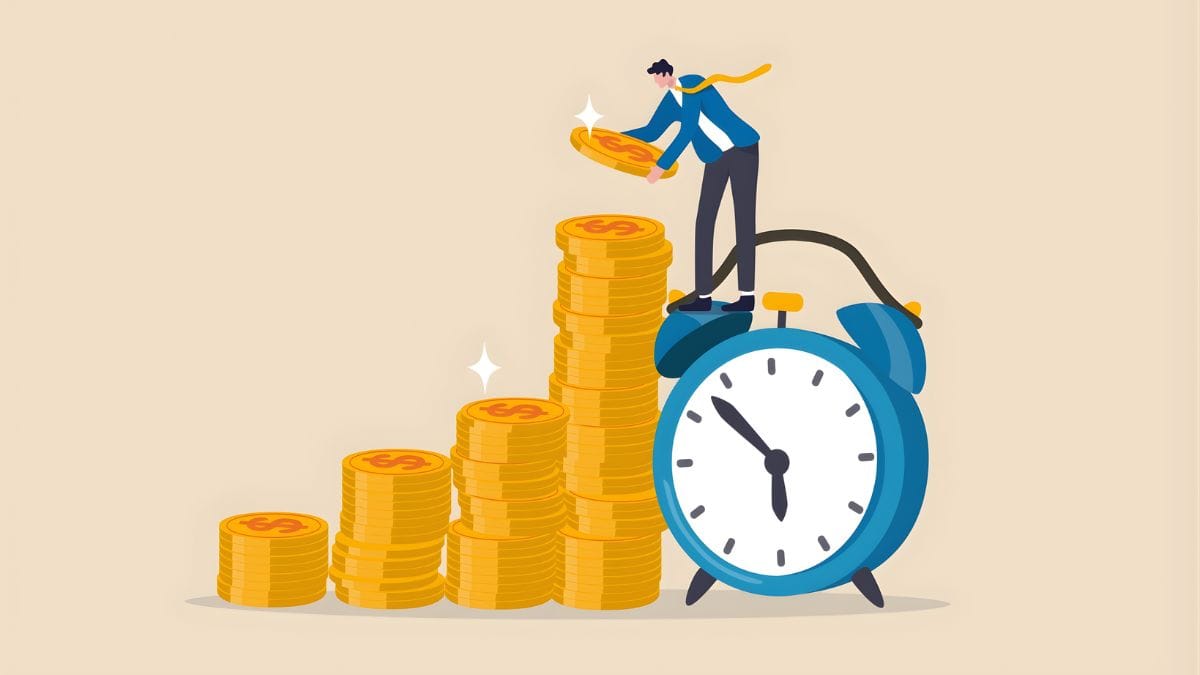
Ever checked your bank balance and thought, “Where did all my money go?” If yes, you’re not alone — and it’s probably got something to do with your spending habits. These small, repeated decisions about how you use your money every day can either build your wealth or drain it before you even notice.
In this guide, let’s break down what spending habits really are, how they affect your financial health, and practical ways to improve them — without giving up everything you enjoy.
Meaning
A spending habit is simply your usual way of spending money. It includes how, when, and why you spend — whether it’s grabbing coffee every morning, shopping online late at night, or always choosing premium options.
These habits are formed over time and often happen automatically. The problem? If they’re not mindful or intentional, they can lead to debt, poor savings, and financial stress.
Types
Not all spending habits are bad. In fact, understanding the types of spending habits helps you spot what’s working and what needs fixing.

1. Impulsive Spending
Buying something suddenly without planning. Think online flash sales or buying snacks while checking out.
2. Emotional Spending
Using money to deal with emotions like stress, boredom, or sadness.
3. Social Spending
Spending just to fit in — like dining out when you’d rather not, or buying trendy gadgets.
4. Planned Spending
Thoughtful, budgeted purchases — like paying bills, groceries, or investing.
The goal is to increase planned spending and reduce impulsive and emotional ones.

Impact
Spending habits may seem small, but over time, they snowball. Here’s how they can impact your life:
- Savings: Bad habits reduce your ability to save, invest, or build wealth.
- Debt: Repeated overspending leads to credit card debt or loans.
- Mental Health: Financial stress from poor habits can cause anxiety or guilt.
- Opportunities: You might miss out on long-term goals like buying a home, traveling, or starting a business.
In short, your money habits today shape your future life — no exaggeration.
Signs
How do you know if your spending habits need a makeover? Look out for these warning signs:
- You run out of money before the end of the month
- You don’t track your expenses
- You feel guilty after shopping
- You buy things you don’t need — often
- You’re not saving regularly
- Your credit card bill keeps growing
If any of these sound familiar, it’s time to make a change.
Improve
Improving your spending habits doesn’t mean living like a monk. It’s about becoming intentional. Here’s how you can do it step by step:
1. Track Every Rupee
Use an app or a notebook to record all expenses for a month. You’ll be shocked (and empowered) by what you find.
2. Create a Realistic Budget
Don’t just write down numbers — match your income and spending patterns. Budget for fun too, so you stick with it.
3. Use the 50/30/20 Rule
This popular rule helps manage spending:
| Category | % of Income |
|---|---|
| Needs (Rent, bills, groceries) | 50% |
| Wants (Dining out, shopping) | 30% |
| Savings & Debt Repayment | 20% |
4. Set a 24-Hour Rule
Delay non-essential purchases by 24 hours. You’ll often realize you don’t really need them.
5. Automate Savings
Treat savings like a fixed expense. Set up automatic transfers right after your salary hits your account.
6. Unsubscribe & Unfollow
Unsubscribe from marketing emails and unfollow brands on social media. Out of sight, out of mind.
7. Set Short-Term Goals
Goals give purpose to saving. Want a new phone or a vacation? Start a savings jar just for that.
Example
Let’s say you spend ₹200 daily on food delivery. That’s ₹6,000 a month. If you cut this down to twice a week and cook the rest, you save nearly ₹4,000 monthly — or ₹48,000 a year. That’s how small changes add up big.
Rewards
Improving your spending habits brings real-life benefits:
- More savings
- Less financial stress
- Freedom to make better life choices
- Room for fun spending without guilt
- Quicker progress toward big goals
You don’t have to be rich to feel in control — just consistent.
Spending habits are the quiet drivers behind your financial story. The good news? You can change them. Start small, track your money, and be intentional about what really matters. It’s not about spending less — it’s about spending smarter. Your future self will thank you for the decisions you start making today.
FAQs
What is a spending habit?
It’s your usual pattern of how and where you spend money.
How can I track my spending?
Use mobile apps, spreadsheets, or write it in a notebook daily.
What is impulsive spending?
Buying without planning, often driven by emotion or offers.
What is the 50/30/20 rule?
It’s a budgeting method dividing income into needs, wants, savings.
How do I stop overspending?
Set goals, track expenses, and delay non-essential purchases.