If you’ve ever heard the terms “repo rate” and “reverse repo rate” on the news and felt confused—you’re not alone. These are important terms in India’s monetary policy, but they sound more complex than they really are.
In this quick guide, we’ll break down repo rate and reverse repo rate in a super simple way. No heavy banking jargon—just clear, everyday language to help you know how they work, how they’re different, and why they matter for you.
Overview
Both repo and reverse repo rates are tools used by the Reserve Bank of India (RBI) to control the flow of money in the economy. Think of them as the RBI’s way of adjusting how easily banks can lend or borrow money.
Repo rate and reverse repo rate play a key role in:
- Controlling inflation
- Managing liquidity (cash flow)
- Influencing interest rates on loans and savings
But how do they actually work? Let’s get into it.
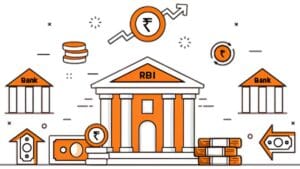
Repo
Repo Rate = The rate at which RBI lends money to banks
When banks need short-term funds, they go to the RBI and borrow money by giving government securities (like bonds) as collateral. The interest rate charged by RBI on this loan is called the repo rate.
Example:
Imagine a bank is short of cash and borrows ₹1,000 crore from RBI. RBI charges 6.50% interest (repo rate), and the bank has to repay the money with that interest.
Purpose: Helps RBI control inflation. If inflation is high, RBI may increase repo rate to make borrowing costlier, which reduces spending and slows inflation.
In Simple Words:
Repo rate = RBI to banks
Think: Bank borrows from RBI, pays interest

Reverse
Reverse Repo Rate = The rate at which RBI borrows money from banks
This is the opposite of repo. When banks have excess cash, they can deposit it with RBI and earn interest. The interest rate RBI gives them is the reverse repo rate.
Example:
If a bank has ₹500 crore lying idle, it can park this with RBI and earn 3.35% interest (reverse repo rate).
Purpose: Helps RBI manage liquidity. If there’s too much money in circulation, RBI may increase reverse repo rate to attract more deposits from banks and absorb extra cash.
In Simple Words:
Reverse repo rate = Banks to RBI
Think: Bank gives money to RBI, earns interest
Key Differences
Here’s a quick side-by-side comparison to help you remember:
| Feature | Repo Rate | Reverse Repo Rate |
|---|---|---|
| Who borrows? | Banks borrow from RBI | RBI borrows from banks |
| Who earns interest? | RBI earns from banks | Banks earn from RBI |
| Purpose | Control inflation | Manage liquidity |
| Impact on economy | Affects loan rates, inflation | Affects money supply in banks |
| Current Example (2025)* | 6.50% (approx.) | 3.35% (approx.) |
*Rates may vary—check the latest from RBI updates.
Why It Matters to You
You might be wondering—how does this affect me?
Here’s how:
- Home Loans & EMIs: When repo rate goes up, banks may raise loan interest rates. That means higher EMIs. When repo falls, loans become cheaper.
- Savings Rates: Reverse repo influences how much banks earn by parking funds with RBI. If it’s high, they may lower interest on customer deposits.
- Inflation Control: RBI uses these rates to either speed up or slow down the economy depending on inflation levels.
So even if you’re not a banker or economist, these rates affect your everyday finances.
RBI’s Role
RBI uses repo and reverse repo like an accelerator and brake for the economy:
- Inflation rising? → RBI raises repo rate → Loans cost more → People spend less → Inflation slows down
- Growth slowing? → RBI lowers repo rate → Loans cheaper → People spend/invest more → Economy picks up
It’s a balancing act, and repo/reverse repo are the key tools.
If you think of the RBI as the central bank that keeps the Indian economy steady, then repo and reverse repo rates are the steering wheel and brakes. By adjusting these rates, the RBI influences everything from your home loan to how much your savings earn.
Keep an eye on RBI’s announcements—because these two rates have a real impact on your wallet.
FAQs
What is the current repo rate in India?
As of 2025, it’s around 6.50%. Always check RBI for updates.
Why does RBI increase repo rate?
To control inflation by making borrowing more expensive.
Who uses the reverse repo rate?
Banks park their excess funds with RBI using reverse repo.
Does repo rate affect home loans?
Yes, higher repo rate usually means higher loan EMIs.
Is reverse repo rate always lower than repo?
Yes, reverse repo is always set below the repo rate.