Ever noticed how things that used to cost ₹10 now cost ₹50 or more? That’s purchasing power at work. It tells you how much you can buy with the money you have — and over time, that power usually goes down.
But why does that happen? Why do prices rise almost every year? In this guide, we’ll break down what purchasing power really means, why it matters, and what causes prices to keep climbing.
Meaning
Purchasing power is simply the value of money in terms of the goods and services it can buy.
For example, if ₹100 could buy 10 litres of petrol in 2005, but only 2 litres in 2025, your purchasing power has dropped — even though you still have the same amount of money.
So, when prices go up and your income stays the same, your money buys less. That’s a decline in purchasing power.
Example
Let’s say you earn ₹30,000 a month. Ten years ago, that was more than enough for rent, food, travel, and savings. But today, that same amount might barely cover your monthly expenses. Why? Because prices of essentials have gone up — not necessarily because you’re spending more, but because the value of money has gone down.
Inflation
The biggest reason behind falling purchasing power is inflation — the general rise in prices of goods and services over time.
As inflation rises:
- The cost of living increases
- Your savings lose value
- You need more money to buy the same things
Inflation is measured using indices like the Consumer Price Index (CPI), which tracks the price changes in a basket of common goods like food, fuel, transport, and rent.
Causes
So, why do prices go up in the first place? Here are some common reasons:
1. Demand-Pull Inflation
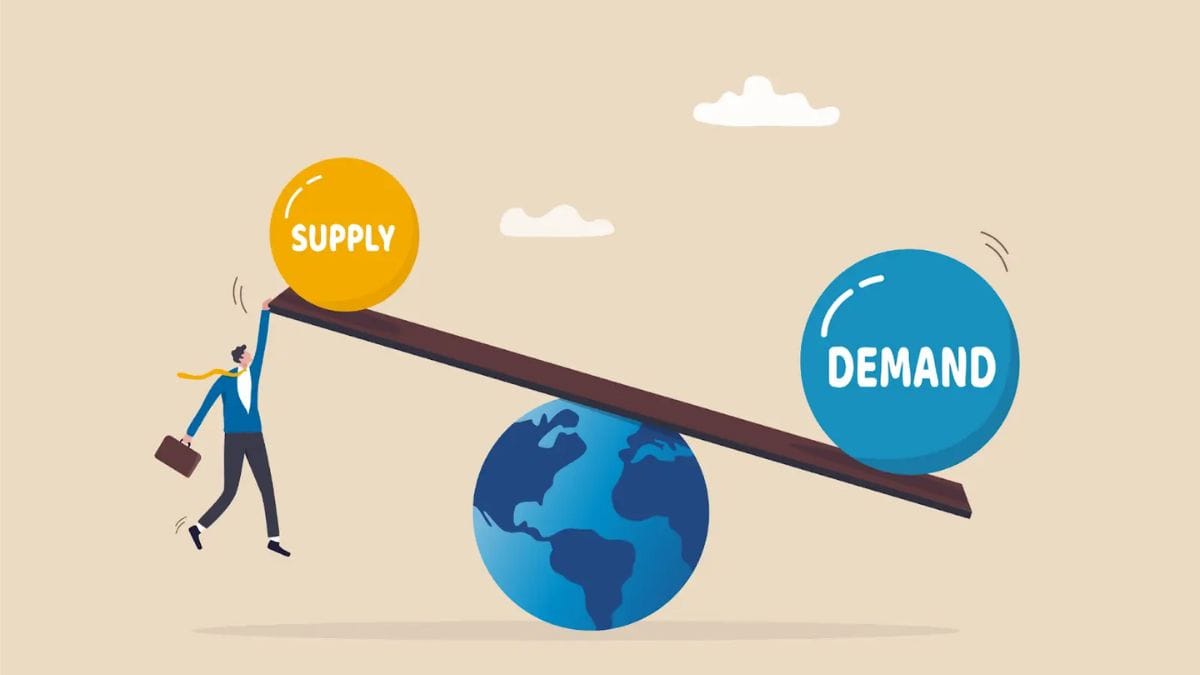
When demand for goods exceeds supply, prices rise. Think of festival season or sudden buying booms.
2. Cost-Push Inflation
When production costs (like fuel, wages, or raw materials) go up, sellers raise prices to maintain profits.
3. Currency Depreciation
If the rupee weakens against the dollar, imports become costlier — which raises prices of imported goods like oil or electronics.
4. Excess Money Supply
If too much money is flowing in the economy without a matching rise in goods/services, the value of money drops and prices rise.
5. Government Policies
Taxes, subsidies, interest rates, and trade restrictions can all impact pricing.
Effects
Falling purchasing power affects everyone, but especially:
- Salaried Employees – Their income may not rise with inflation.
- Retired Individuals – Fixed pensions lose value over time.
- Low-Income Families – Essentials like food and rent become harder to afford.
Over time, reduced purchasing power:
- Shrinks your savings
- Makes future planning harder
- Increases the cost of borrowing
How To Protect
You can’t control inflation, but you can protect your purchasing power. Here’s how:
1. Invest Wisely
Keep your money in assets that grow with or beat inflation — like mutual funds, stocks, or gold.
2. Avoid Cash Hoarding
Cash loses value over time. Instead of saving in cash, park your funds in inflation-beating options.
3. Increase Skills and Income
Upgrade your skills regularly to earn more and stay ahead of rising costs.
4. Track Expenses
Monitor how your expenses change over time and adjust your budget as needed.
5. Buy Smart
Take advantage of discounts, offers, and bulk buying to reduce spending.
Real Life
Let’s look at how prices of common items have changed over time in India:
| Item | Price in 2005 | Price in 2025 | Price Increase |
|---|---|---|---|
| 1 Litre Petrol | ₹40 | ₹110 | 175% ↑ |
| Movie Ticket | ₹50 | ₹250 | 400% ↑ |
| Milk (1 Litre) | ₹18 | ₹60 | 233% ↑ |
| Rice (1 kg) | ₹20 | ₹45 | 125% ↑ |
As you can see, the value of ₹100 in 2005 is not the same in 2025. That’s purchasing power in action.
Central Banks
Central banks like the RBI (Reserve Bank of India) try to manage inflation by adjusting interest rates and money supply. If inflation is too high, they raise interest rates to slow spending. If it’s too low, they may reduce rates to boost growth.
Still, a moderate level of inflation (around 4-6%) is considered healthy for growing economies.
Purchasing power is one of those hidden forces that affect your everyday life — from your grocery bill to your long-term savings. Knowing how it works helps you make better money decisions. While you can’t stop inflation, you can plan ahead, invest smartly, and make sure your money doesn’t lose its value over time.
FAQs
What is purchasing power?
It’s how much you can buy with a unit of money.
Why does purchasing power fall?
Because prices rise due to inflation and other factors.
How does inflation affect money?
It reduces the value of money over time.
Can I protect my purchasing power?
Yes, by investing in assets that beat inflation.
Who controls inflation in India?
The Reserve Bank of India (RBI) controls it using policies.