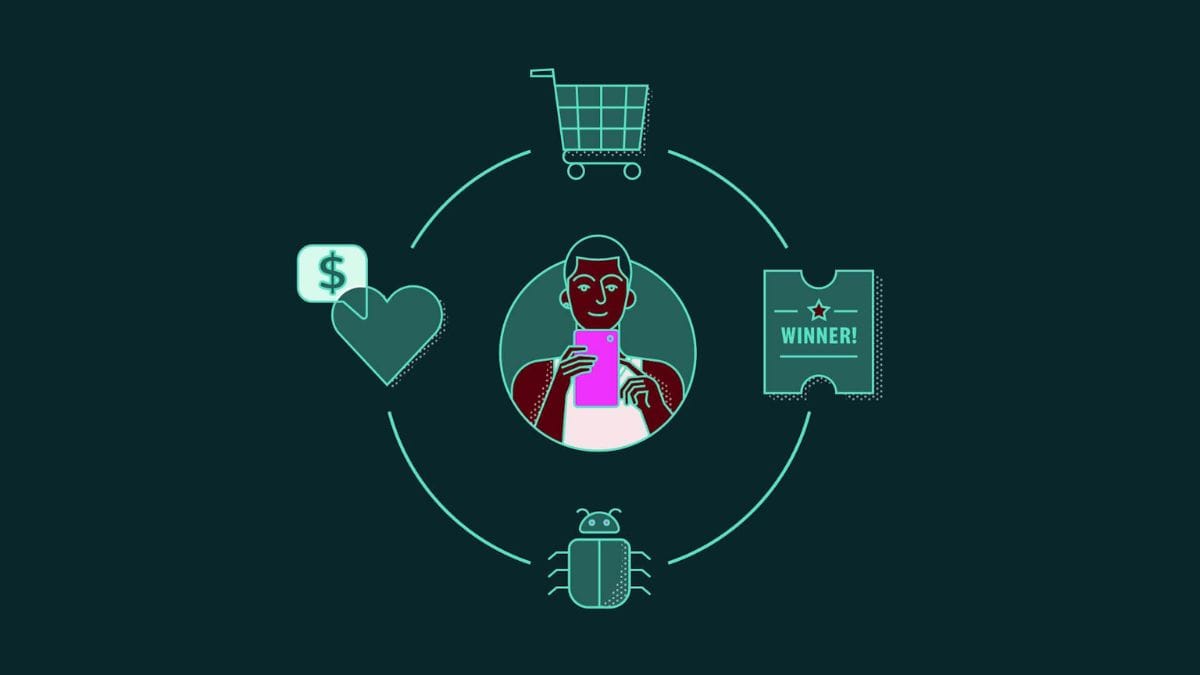
Online financial scams are rising every day—and anyone can fall victim, from teenagers to tech-savvy adults. Whether it’s phishing emails, fake banking websites, investment fraud, or UPI scams, cybercriminals are constantly coming up with new tricks to steal your money and personal data.
The good news? You can avoid most of these scams with a little awareness and some simple safety habits. This beginner-friendly guide will show you exactly how to protect yourself from online financial scams and keep your money safe.
Awareness
The first step to protecting yourself is knowing what you’re up against. Here are the most common types of online financial scams:
| Scam Type | What Happens |
|---|---|
| Phishing Emails | Fake emails ask for your login or OTP |
| Fake Banking Apps | Duplicate apps steal passwords and data |
| UPI Fraud | Scammers trick you into sending money |
| Investment Scams | Fake websites promise unrealistic returns |
| SIM Swap Fraud | Criminals hijack your SIM to access OTPs |
| Job Scams | You’re asked to pay for fake job offers |
| Online Shopping | Fake websites or sellers take your money |
Knowing these tactics helps you stay one step ahead.
Passwords
A weak password is an open door for hackers. Use strong, unique passwords for every financial account.

Tips for Safe Passwords:
- Use a mix of letters, numbers, and symbols
- Don’t reuse the same password across platforms
- Avoid using birthdates or simple words like “123456”
- Use a password manager like LastPass or Bitwarden
Turn on two-factor authentication (2FA) wherever possible—it adds a second layer of security by sending a code to your phone or email.
Emails
Most phishing scams start in your inbox. They often look like they’re from your bank or a trusted company.
Red flags in scam emails:
- Poor grammar or urgent tone
- Fake-looking sender address
- Suspicious links or attachments
- Asking for OTPs, passwords, or card details
Never click on links in unsolicited emails. If in doubt, visit the official website directly by typing the URL in your browser.
UPI Safety
UPI scams are extremely common in India. Scammers trick users into authorizing transactions or request money using fake QR codes.
UPI Safety Tips:
- Never share your UPI PIN
- Don’t accept random payment requests
- Avoid scanning unknown QR codes
- Always check sender ID before confirming
Use only verified apps like Google Pay, PhonePe, or BHIM, and keep them updated regularly.

Investment
Get-rich-quick schemes are major red flags. Many scammers use fake apps or websites promising high returns to trick you into investing.
Safe Investing Checklist:
- Only invest through SEBI-registered platforms
- Be wary of schemes that promise “guaranteed returns”
- Cross-check company names on SEBI’s official website
- Don’t pay upfront fees for “investment advisory” services
Remember: If it sounds too good to be true, it probably is.
Social Media
Scammers use WhatsApp, Instagram, Facebook, and even Telegram to lure victims with fake job offers, giveaways, or crypto deals.
What to Avoid:
- Clicking unknown links in DMs
- Joining random Telegram groups with “earning offers”
- Sharing bank or ID details on public platforms
Never trust someone online just because they have a lot of followers or a verified badge.
Public Wi-Fi
Accessing financial accounts on public Wi-Fi is risky. Hackers can intercept your data using tools called sniffers.
Tips:
- Avoid checking bank apps on public networks
- Use a VPN if you must use public Wi-Fi
- Log out after use and clear your browser history
Reporting
If you think you’ve been scammed or your data is compromised, act fast.
What to Do:
- Call your bank immediately and block your card/UPI
- Report to cybercrime: www.cybercrime.gov.in
- Call Cyber Helpline: 1930 (India)
- File a complaint at your local police station if needed
Keep screenshots, payment proofs, and chat records as evidence.
Staying safe online is just like locking your door at night—it’s all about habits. The more cautious and aware you are, the harder it becomes for scammers to trick you. Always verify before you trust, keep your passwords secure, and stay updated about the latest fraud techniques. A little awareness today can save you from a big loss tomorrow.
FAQs
What is the most common online scam?
Phishing emails and UPI frauds are the most common types.
Can someone hack my bank via email?
Yes, if you click on fake links or give away OTPs.
Is public Wi-Fi safe for banking?
No, avoid banking on public Wi-Fi unless using a VPN.
Where to report online financial scams?
Report at cybercrime.gov.in or call helpline 1930.
How do I know if an app is fake?
Check reviews, developer name, and official website link.