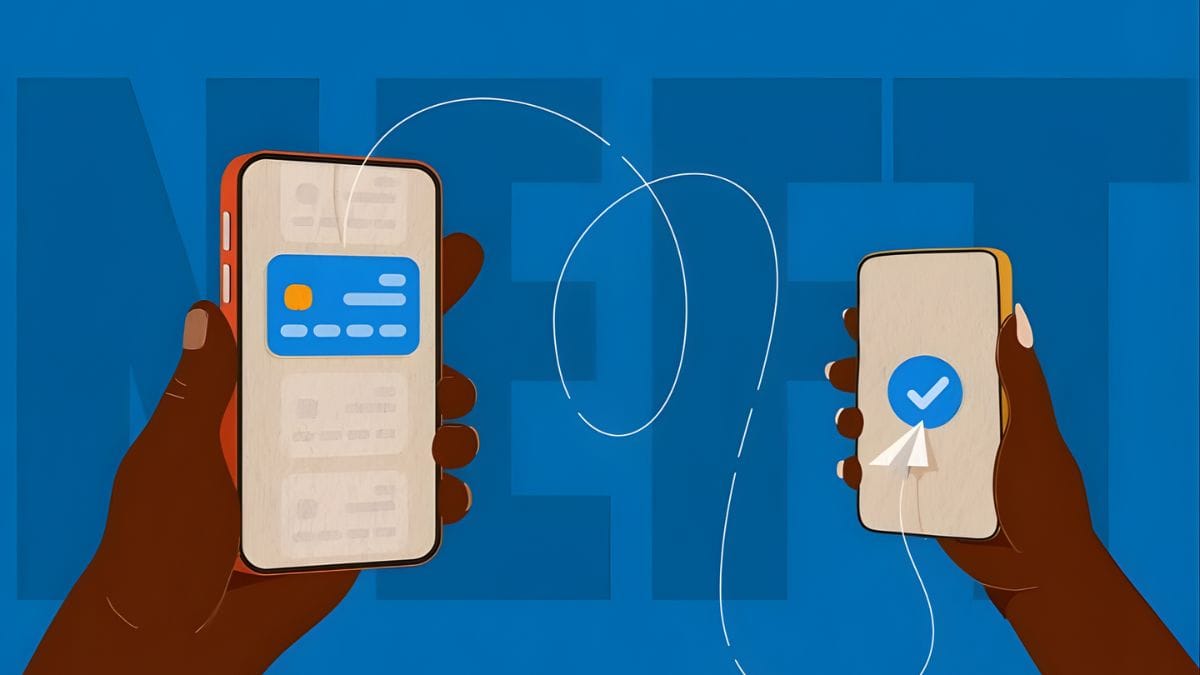
Digital banking has made transferring money easier than ever — but with so many options like NEFT, RTGS, IMPS, and UPI, it’s easy to get confused. What’s the difference? Which one is best for large payments, and which is faster?
If you’re new to online transactions or just want to know how these payment systems work, this simple guide will walk you through each method, compare their features, and help you choose the right one for your needs.
NEFT
NEFT (National Electronic Funds Transfer) is a nationwide payment system that allows you to transfer money from one bank account to another.
- Settlement: Works in batches throughout the day
- Timing: 24×7, including weekends
- Limit: No minimum or maximum limit
- Charges: Usually free (some banks may charge for high amounts)
- Best For: Non-urgent transfers that are not time-sensitive
Example: You’re transferring rent to your landlord or paying school fees.
RTGS
RTGS (Real-Time Gross Settlement) is designed for high-value transactions that need to happen immediately.

- Settlement: Real-time and individual (not in batches)
- Timing: 24×7, all days
- Minimum Limit: ₹2,00,000
- Maximum Limit: No upper cap (depends on your bank)
- Charges: Usually free or minimal for online
- Best For: Business payments or transferring large sums urgently
Example: Paying for property, vehicle purchase, or large vendor payments.
IMPS
IMPS (Immediate Payment Service) is an instant money transfer system that works 24×7, even on holidays.
- Settlement: Instant
- Timing: 24×7, 365 days
- Limit: Up to ₹5 lakh (varies by bank)
- Charges: Low or zero
- Best For: Instant transfers to friends, family, or merchants
Example: Sending money to a friend at midnight or paying utility bills instantly.
UPI
UPI (Unified Payments Interface) is the most popular digital payment method in India right now. You can send or receive money just using a mobile number or UPI ID — no need to add account numbers or IFSC codes.
- Settlement: Instant
- Timing: 24×7, including holidays
- Limit: Up to ₹1 lakh per transaction (can vary)
- Charges: Usually free for individuals
- Best For: Small daily transactions, shopping, food orders, peer-to-peer transfers
Example: Scanning QR codes to pay at local stores or splitting dinner bills.

Comparison Table
Here’s a quick look at how all four options compare:
| Feature | NEFT | RTGS | IMPS | UPI |
|---|---|---|---|---|
| Speed | Within 30 min–1 hr | Instant | Instant | Instant |
| Availability | 24×7 | 24×7 | 24×7 | 24×7 |
| Min Amount | No minimum | ₹2,00,000 | ₹1 (bank-specific) | ₹1 |
| Max Amount | No fixed limit | No upper limit | ₹5 lakh (approx.) | ₹1 lakh (approx.) |
| Bank Details | Required | Required | Required/optional | Not required |
| Ideal Use | Scheduled payments | High-value transfers | Quick mid-size sends | Everyday small payments |
Which One Should You Use?
| Use Case | Best Payment Method |
|---|---|
| Sending rent or bills | NEFT or UPI |
| Buying a car or property | RTGS |
| Splitting food bills | UPI |
| Emergency transfer at night | IMPS or UPI |
| Paying school or college fees | NEFT |
| Online shopping or QR scan | UPI |
| Business payments above ₹2 lakh | RTGS |
Key Benefits of Each
- NEFT: Safe, reliable, and good for routine transfers
- RTGS: Best for urgent high-value transactions
- IMPS: Instant and available anytime — perfect for emergencies
- UPI: Fast, mobile-friendly, and ideal for everyday use
Safety Tips for Digital Transfers
- Always double-check the UPI ID or account number
- Don’t share your UPI PIN or OTP with anyone
- Use trusted apps like BHIM, PhonePe, Google Pay, or Paytm
- Set transaction limits on your apps for added security
Knowing the difference between NEFT, RTGS, IMPS, and UPI helps you make smarter, faster, and safer money transfers. Whether you’re paying bills, sending rent, shopping online, or transferring money to family — there’s a method that fits perfectly. Choose wisely based on the amount, urgency, and convenience.
FAQs
Which is faster: NEFT or IMPS?
IMPS is faster; it’s instant, while NEFT takes 30–60 minutes.
What is the minimum amount for RTGS?
₹2,00,000 is the minimum for RTGS transfers.
Is UPI free to use?
Yes, UPI is usually free for individuals for most transactions.
Can I use UPI without a bank account?
No, UPI needs a linked bank account to send or receive money.
Which is best for large business payments?
RTGS is ideal for high-value business transfers.