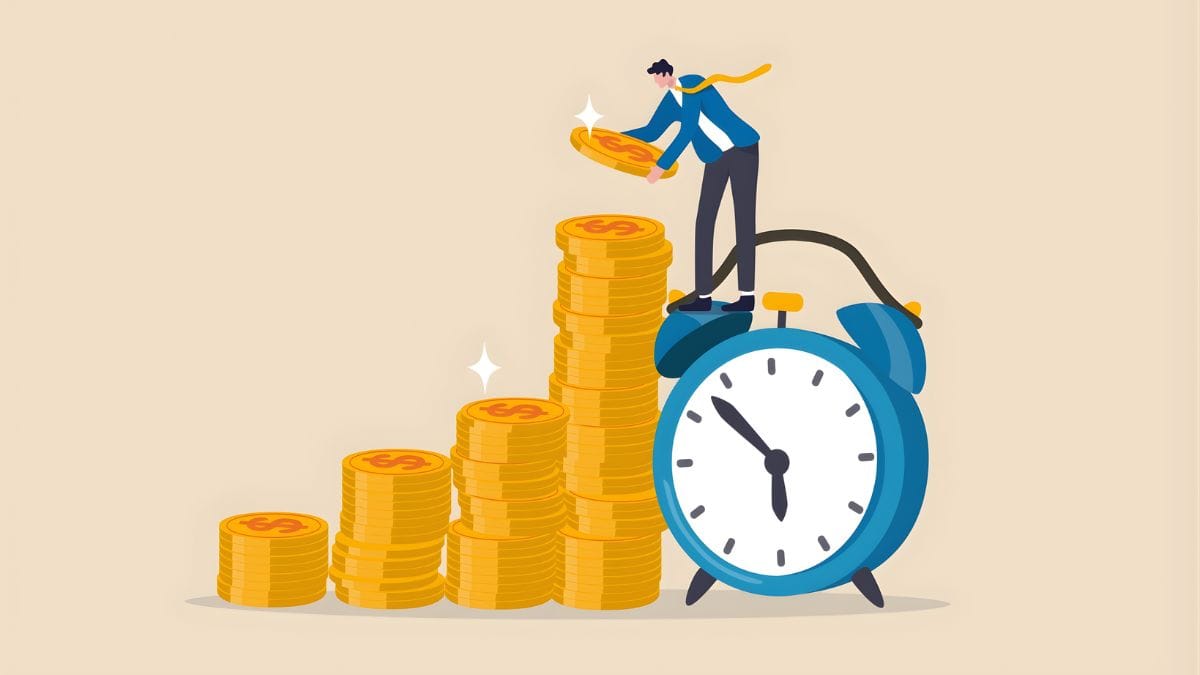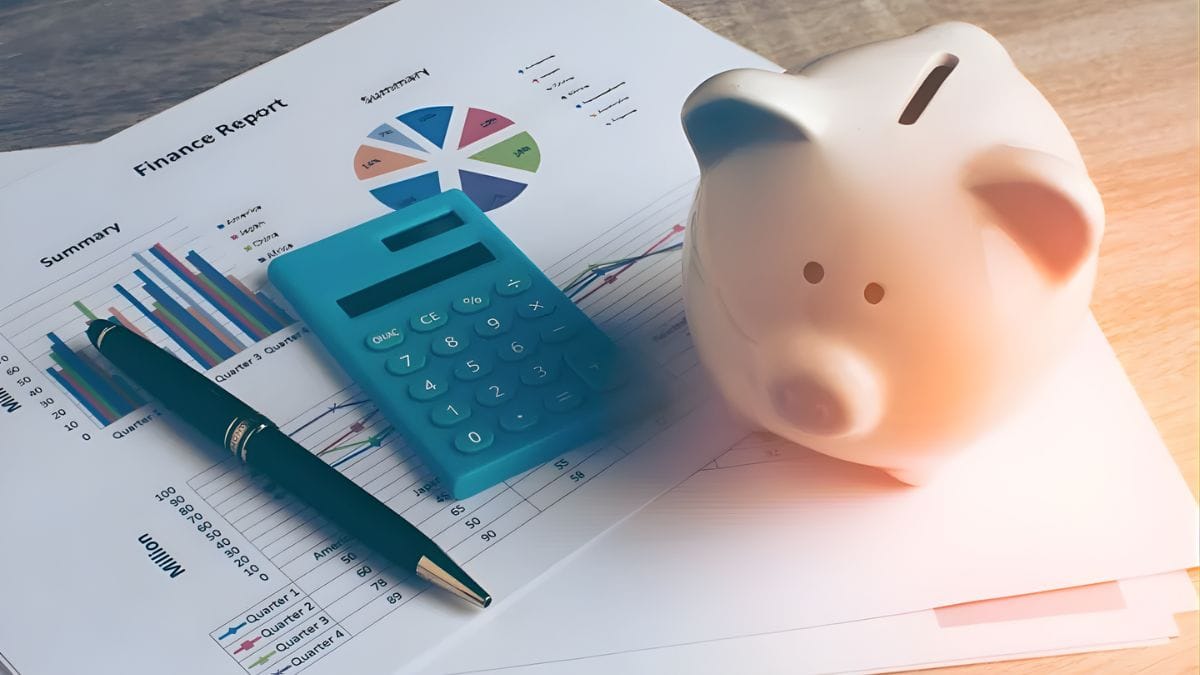
Handling money sounds simple—earn, save, spend wisely, and invest. But in reality, many people struggle to manage their finances because of some easy-to-make mistakes. And these mistakes, if ignored, can pile up and cost you years of progress.
If you want to take control of your money, it’s not just about how much you make—it’s about what you do with it. So, let’s talk about the most common personal finance mistakes and how you can steer clear of them.
Over Spending
Spending more than you earn is the fastest way to fall into a financial mess. It might not seem like a big deal if you’re swiping your card here and there, but little purchases add up quickly.
How to avoid it:
- Make a monthly budget and stick to it.
- Track your spending using apps like Walnut, Money View, or YNAB.
- Avoid lifestyle inflation—don’t spend more just because you earn more.
No Budget
Living without a budget is like driving without a map. You might get somewhere, but you’ll probably take wrong turns and waste time.
Fix it by:
- Creating a simple income vs expense sheet.
- Allocating money for savings, rent, bills, and fun.
- Reviewing your budget weekly to stay on track.
Ignoring Emergency
Life is unpredictable. Medical bills, job loss, car repairs—these can hit you hard if you’re not prepared.

Solution:
- Build an emergency fund worth at least 3–6 months of expenses.
- Keep it in a liquid and accessible place like a savings account or liquid mutual fund.
Using Credit Wrong
Credit cards can be great tools if used wisely. But many people fall into the trap of using them like free money.
Avoid these mistakes:
- Don’t spend more than you can pay off by the due date.
- Always pay the full amount, not just the minimum.
- Avoid taking cash advances—they come with high interest.
No Investments
Saving money is great, but if you’re not investing it, you’re losing out to inflation. Many people avoid investing because they think it’s risky or confusing.
Here’s what to do:
- Start with simple options like SIP in mutual funds or PPF.
- Learn the basics before diving into stocks or crypto.
- Begin small and increase your investments as you grow.
Delaying Insurance
Thinking you’re too young or too healthy for insurance is a big mistake. The earlier you buy, the cheaper it is.
What to do:
- Get term life insurance if you have dependents.
- Buy health insurance, even if your company provides one.
- Consider personal accident or disability cover if your job involves risks.
Living Paycheck
If you spend everything you earn, you’ll always feel broke—even with a high salary. This is the “rat race” trap.
Break free by:
- Automatically saving a portion of your salary each month.
- Using the 50-30-20 rule: 50% needs, 30% wants, 20% savings/investment.
- Building passive income streams over time.
No Goals
Without financial goals, your money has no direction. You’ll keep spending without building anything meaningful.

To fix it:
- Set clear short-term and long-term goals (like a house, travel, retirement).
- Assign money towards each goal.
- Track progress every 3–6 months.
Comparison
Here’s a table summarizing common mistakes and how to avoid them:
| Mistake | Consequence | Fix It By |
|---|---|---|
| Overspending | Debt, no savings | Budget, track expenses |
| No budget | Financial confusion | Use simple budgeting tools |
| No emergency fund | Stress during crises | Save 3–6 months of expenses |
| Credit misuse | Debt trap, low credit score | Pay in full, avoid overspending |
| Not investing | Losing value to inflation | Start with mutual funds, PPF |
| No insurance | Huge bills in emergencies | Buy early when premiums are low |
| Living paycheck to paycheck | No financial growth | Save first, spend later |
| No financial goals | Lack of direction | Set and review goals regularly |
Avoiding these mistakes doesn’t mean you have to stop enjoying life. It just means being smarter with your money so you’re prepared for the future and can live comfortably now.
Small financial decisions made right today can save you years of stress tomorrow. Be intentional, stay informed, and keep it simple.
FAQs
Why is budgeting important?
Budgeting helps control spending and plan for the future.
How much emergency fund do I need?
At least 3 to 6 months’ worth of your living expenses.
Should I invest or save first?
Do both—save for safety and invest for growth.
Is it bad to use credit cards?
No, but only if you pay the full bill on time.
When should I buy insurance?
The earlier, the better—it’s cheaper when you’re young.