Ever hear someone say, “I don’t have much disposable income this month,” and wonder what they mean? Disposable income is a key part of your personal finances. It tells you how much money you actually have left to spend after taxes. Whether you’re budgeting, saving, or planning a vacation, knowing your monthly disposable income is the first step toward financial control.
Let’s break it down in the simplest way possible.
Meaning
Monthly disposable income is the amount of money you have left after taxes and other mandatory deductions from your salary. It’s your “take-home” money — the cash you can actually use every month.
In short:
Disposable Income = Gross Income – Taxes and Deductions

It’s what you use to pay for rent, groceries, bills, shopping, entertainment, savings, and more.
Example
Here’s a simple example to help you understand:
| Description | Amount (INR) |
|---|---|
| Gross Monthly Salary | ₹50,000 |
| Income Tax + Provident Fund | ₹8,000 |
| Disposable Income | ₹42,000 |
So in this case, you have ₹42,000 every month to cover all your expenses and savings.
Why It Matters
Knowing your disposable income is super important for everyday money decisions. Here’s why:
- Budgeting: Helps you track spending and avoid overspending
- Saving Goals: Lets you plan how much to save monthly
- Loan Planning: Helps you see how much EMI you can afford
- Lifestyle Choices: Keeps your spending in line with what you earn
Without knowing your disposable income, you’re basically flying blind financially.

Not Savings
A common confusion: Disposable income is not the same as savings.
- Disposable Income = All money you have after tax
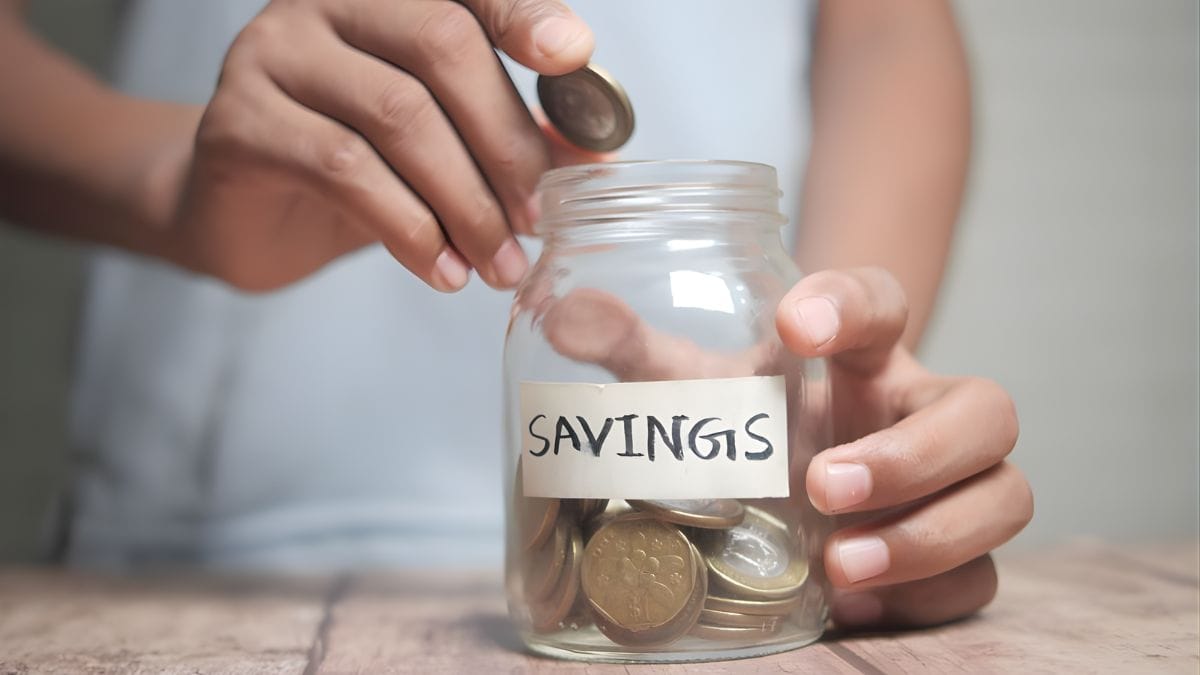
- Savings = The part of disposable income you choose to keep aside
So, if your disposable income is ₹42,000 and you spend ₹35,000, your savings would be ₹7,000.
What It Includes
Your disposable income is what’s left after:
- Income Tax
- Professional Tax
- Employee Provident Fund (EPF)
- Other statutory deductions
It does not include voluntary savings, investments, or optional expenses — those come after.
Ideal Use
Here’s a smart way to divide your disposable income, using the popular 50/30/20 rule:
| Category | % of Income | Purpose |
|---|---|---|
| Needs | 50% | Rent, food, bills, transport |
| Wants | 30% | Dining out, shopping, entertainment |
| Savings & Debt Repay | 20% | Emergency fund, investments, EMIs |
This gives you a balanced approach to managing your monthly finances.
Boosting It
Want more disposable income? Try these tips:
- Increase your income: Freelance, side hustle, or upskill
- Cut unnecessary expenses: Track your spending
- Tax planning: Use exemptions and deductions wisely
- Pay off debts: Reduces your monthly outgo
The goal is to have more money left at the end of the month — not more month left at the end of your money.
Knowing monthly disposable income helps you take charge of your money and make smarter choices. Whether you’re saving for something big or just trying to survive the month, this number tells you what you’re really working with. Start tracking it today — your wallet will thank you.
FAQs
What is disposable income?
It’s the money left after tax deductions from your salary.
Is disposable income same as savings?
No, savings are what you set aside from disposable income.
How do I calculate disposable income?
Subtract taxes and deductions from your gross income.
Does PF reduce disposable income?
Yes, EPF and other deductions reduce your take-home pay.
Can I increase my disposable income?
Yes, by earning more or cutting expenses and taxes.