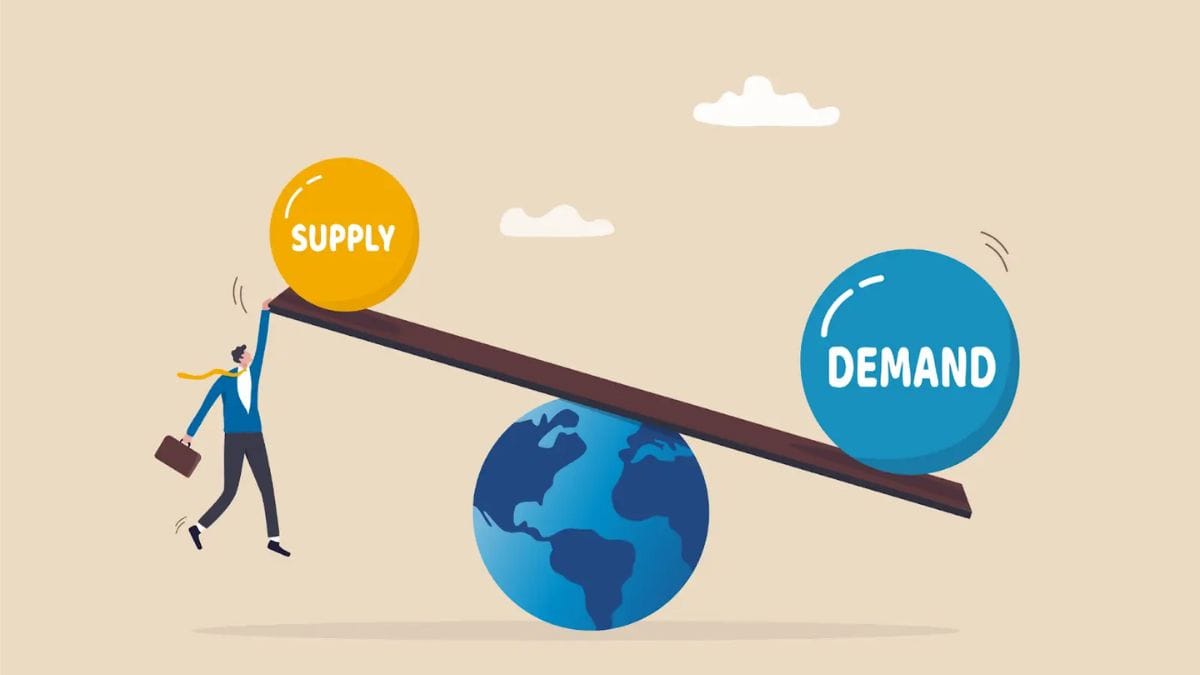
Ever heard of terms like “interest rate hike” or “inflation control” on the news and wondered what they really mean? That’s where monetary policy comes in. While it might sound technical, the idea is quite simple — it’s all about how a country controls its money supply and interest rates to keep the economy running smoothly.
In this guide, we’ll explain monetary policy in easy-to-understand terms, why it matters, and how it affects your everyday life.
Definition
Monetary policy is the process by which a country’s central bank (like the RBI in India) controls the supply of money, interest rates, and credit availability in the economy.
Its main goals are to:
- Control inflation
- Stabilize the currency
- Support economic growth
- Ensure price and financial stability
Think of monetary policy as the central bank’s way of speeding up or slowing down the economy — like a brake or accelerator in a car.
Who Controls It?
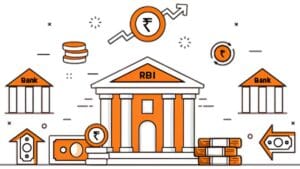
In India, the Reserve Bank of India (RBI) manages monetary policy. The key decisions are made by the Monetary Policy Committee (MPC), which meets every two months.
They look at things like inflation, GDP growth, unemployment, and global trends before deciding whether to increase or decrease interest rates.
Tools
The RBI has several tools to manage the economy. Here are the main ones:
| Tool | What It Does |
|---|---|
| Repo Rate | Interest rate at which RBI lends to banks |
| Reverse Repo Rate | Rate at which banks park money with RBI |
| CRR (Cash Reserve Ratio) | % of bank deposits kept with RBI |
| SLR (Statutory Liquidity Ratio) | % of deposits kept in liquid assets |
| OMO (Open Market Operations) | RBI buys/sells govt securities to control liquidity |
These tools help the RBI increase or reduce the flow of money in the economy.
Types
There are two basic types of monetary policy:

1. Expansionary Monetary Policy
Used when the economy is slow or in a recession. The RBI lowers interest rates, making loans cheaper and encouraging people and businesses to spend more.
Goal: Boost demand, create jobs, and grow the economy.
2. Contractionary Monetary Policy
Used when inflation is too high. The RBI increases interest rates, making borrowing more expensive so people spend less.
Goal: Reduce demand and bring prices down.
Real-Life Impact
Monetary policy decisions affect you more than you think. Here’s how:
- EMIs: When RBI cuts rates, your home loan EMIs may go down.
- Savings: Higher interest rates can mean better returns on fixed deposits.
- Jobs: Cheaper loans help businesses grow, leading to more job creation.
- Prices: If inflation rises, RBI may hike rates to bring prices under control.
So even if you’re not into economics, these changes directly impact your wallet.
Monetary vs Fiscal
People often confuse monetary policy with fiscal policy. Here’s how they’re different:
| Feature | Monetary Policy | Fiscal Policy |
|---|---|---|
| Controlled By | Central Bank (RBI) | Government (Finance Ministry) |
| Focus Area | Money supply, interest rates | Taxes, government spending |
| Key Objective | Inflation, currency stability | Growth, employment, development |
| Tools Used | Repo, CRR, SLR, OMO | Budget, subsidies, tax policies |
Both work together to keep the economy healthy.
Why It Matters
Here’s why monetary policy is so important:
- Keeps inflation in check
- Helps create a stable environment for business and investment
- Supports employment and economic growth
- Influences exchange rates and foreign investment
In short, a good monetary policy can help the economy grow smoothly. A bad one? It can lead to high inflation, job losses, or even financial crises.
Recent Example (India)
In 2020, during the COVID-19 pandemic, RBI lowered the repo rate several times to support the economy. This made loans cheaper for businesses and individuals — a classic case of expansionary monetary policy used during an economic slowdown.
Challenges
Even though monetary policy is powerful, it has some limits:
- Time Lag: Changes don’t affect the economy overnight
- Transmission Issues: Banks may not pass on rate cuts to customers
- Global Factors: International markets can impact domestic policies
- Balance Needed: Too much money can lead to inflation; too little can slow growth
The RBI must constantly strike a balance — act too late, and inflation soars; act too soon, and growth may stall.
Monetary policy may seem like a big concept, but it quietly affects everything — from the cost of your EMI to the price of vegetables. Whether it’s to control inflation or support growth, the RBI uses monetary policy as its main tool to keep India’s economy on track.
FAQs
What is monetary policy in simple words?
It’s how the central bank controls money and interest rates.
Who controls India’s monetary policy?
The Reserve Bank of India (RBI) controls it via the MPC.
What is the repo rate?
It’s the rate at which RBI lends money to commercial banks.
How does monetary policy fight inflation?
By raising interest rates to reduce spending and control prices.
What’s the difference between monetary and fiscal policy?
Monetary is RBI’s tool; fiscal is government’s spending and tax plan.