You’ve probably heard the term “recession” tossed around on the news or social media—especially when prices rise, jobs become harder to find, or businesses start shutting down. But what does an economic recession really mean? And why should you care?
Let’s break it down in plain English, without any complex jargon. Whether you’re a student, a working professional, or just someone curious about the economy, this guide will help you know what a recession is, why it happens, and how it affects your daily life.
Meaning
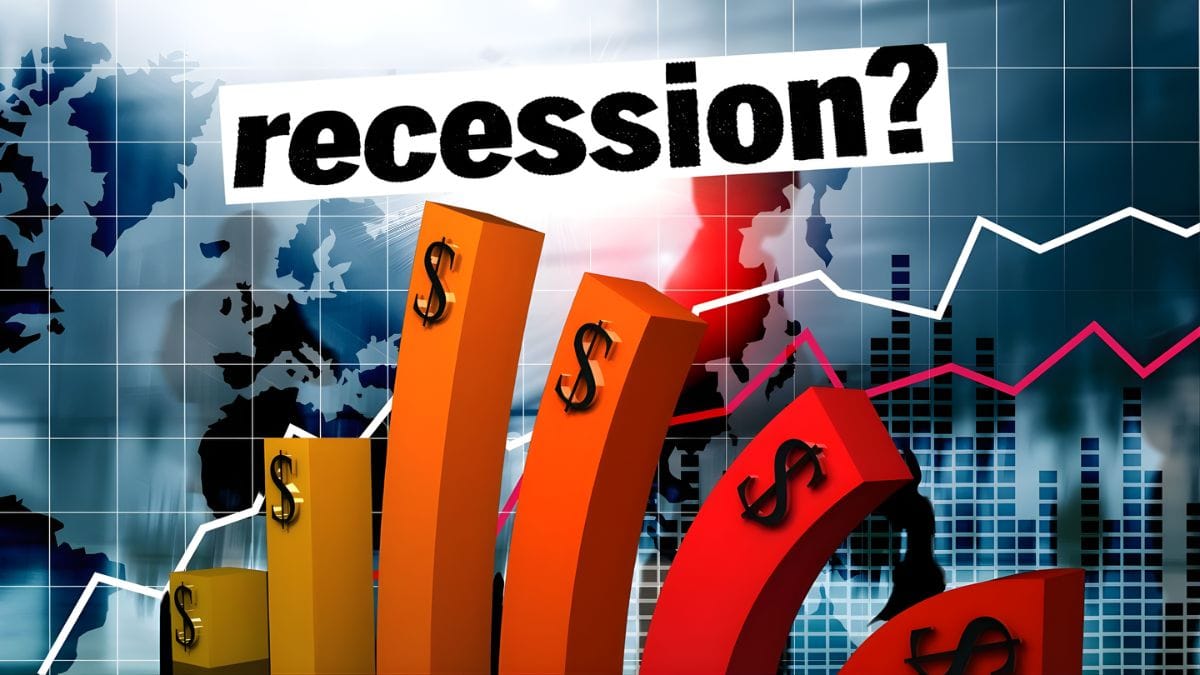
In simple terms, a recession is when the economy slows down for a long enough period that people start feeling the pinch.
This slowdown shows up in several ways:
- Businesses make less money
- People lose jobs or find it hard to get hired
- Spending goes down
- Growth turns negative
Economists usually say a country is in recession if its GDP (Gross Domestic Product) shrinks for two consecutive quarters (six months). But even before the numbers are official, people start noticing the effects.
Causes
A recession doesn’t just pop out of nowhere. It usually builds up over time, triggered by one or more of the following causes:
- High inflation: When prices rise too fast, people spend less, and businesses earn less.
- High interest rates: The central bank may raise rates to control inflation, making loans expensive.
- Stock market crash: If investors panic and sell off their shares, it shakes business confidence.
- Global events: Wars, pandemics, or oil price shocks can disrupt trade and supply chains.
- Poor business decisions: Overproduction, overhiring, or risky loans can cause major industries to crash.
Sometimes, it’s a mix of factors that builds up slowly and then triggers a sudden downturn.
Signs
How do you know when a recession is happening? Here are some common signs:
- Job losses increase
- New hiring slows down
- Stock markets drop
- Consumer spending falls
- Businesses cut costs
- Banks become stricter with loans
Basically, everything slows down—from the corner shop to big corporations—and that affects almost everyone.
Impact
Recession doesn’t just affect stock markets or business owners. It hits real people in everyday life.
Here’s how it affects you:
- You might lose your job or face pay cuts
- Your savings may earn less interest
- Prices may still rise even when incomes fall
- New graduates may struggle to get hired
- Home and car loans get harder to approve
Even if you don’t lose your job, you might still feel the pressure as your cost of living goes up and income opportunities shrink.
Examples
Let’s look at some recent examples of major global recessions:
| Year | Recession Name | Main Cause |
|---|---|---|
| 2008 | Global Financial Crisis | Housing bubble, bad bank loans |
| 2020 | COVID-19 Recession | Pandemic lockdowns, halted trade |
| 2023-24* | Predicted global slowdown | Inflation, war, energy crisis |
Each of these events hurt businesses, jobs, and economies across the world—including developing countries.
Recovery
The good news? Recessions don’t last forever.
Governments and central banks take steps to pull the economy back on track:
- Lowering interest rates
- Increasing spending on infrastructure and jobs
- Giving tax breaks or financial support to businesses
- Encouraging people to spend more
Once people and companies start spending again, demand increases, and the economy begins to grow.
What To Do
During a recession, smart financial decisions can really help. Here’s what you can do:
- Avoid unnecessary loans or big purchases
- Build an emergency fund
- Update your resume and upskill
- Diversify your income (freelancing, online gigs)
- Stay updated on government schemes and support
It’s all about being prepared and staying calm. Recessions can be tough, but smart choices can help you ride through them more safely.
Recessions are like bad weather in the economy—stormy, unpredictable, and uncomfortable. But just like storms, they eventually pass. The key is to understand what’s going on, stay informed, and make decisions that protect your financial well-being. Because at the end of the day, even a slowdown can’t stop a well-prepared person from moving forward.
FAQs
What is a recession in simple words?
A period when the economy slows down and people lose jobs or money.
How long does a recession last?
It can last from a few months to a few years depending on recovery.
What causes a recession?
High inflation, interest rates, or global events like pandemics.
How does recession affect common people?
People may lose jobs, struggle with loans, or earn less money.
Can a recession be predicted?
Sometimes yes, by tracking GDP, inflation, and job data trends.