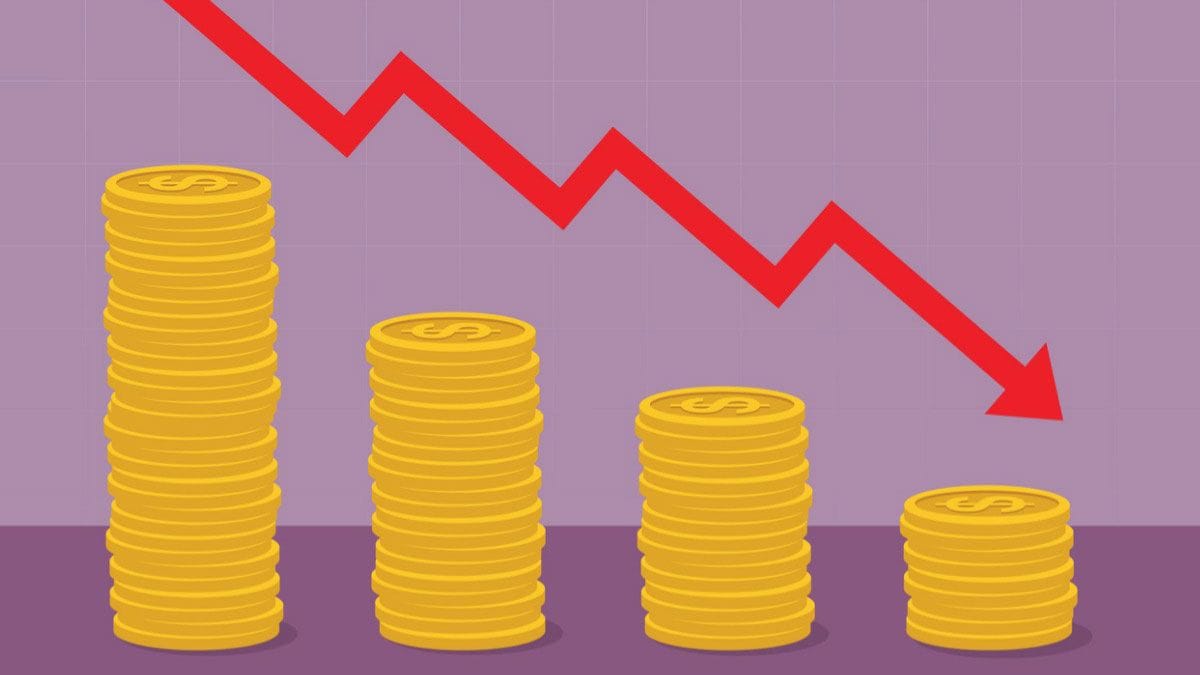
Ever heard of prices falling and thought, “Hey, that’s great news!”? Well, not always. While cheaper prices might sound like a win for consumers, they could signal something deeper and more dangerous in an economy.
That’s where deflation comes in. It’s not as widely discussed as inflation, but its effects can be just as serious—sometimes even worse. In this article, let’s look into what deflation is, why it happens, and how it can shake up an entire economy.
Definition
Deflation is the general decline in prices of goods and services over a period of time. It’s the opposite of inflation, where prices rise. While inflation reduces the purchasing power of money, deflation increases it—but not always for the better.
Simply put, in a deflationary economy, your money buys more. Sounds good, right? But here’s the catch: when deflation sets in, people and businesses often stop spending in the hopes that prices will fall even further. This behavior leads to a dangerous cycle of economic slowdown.
Causes
Deflation doesn’t just appear out of nowhere. It’s often triggered by one or more of the following causes:
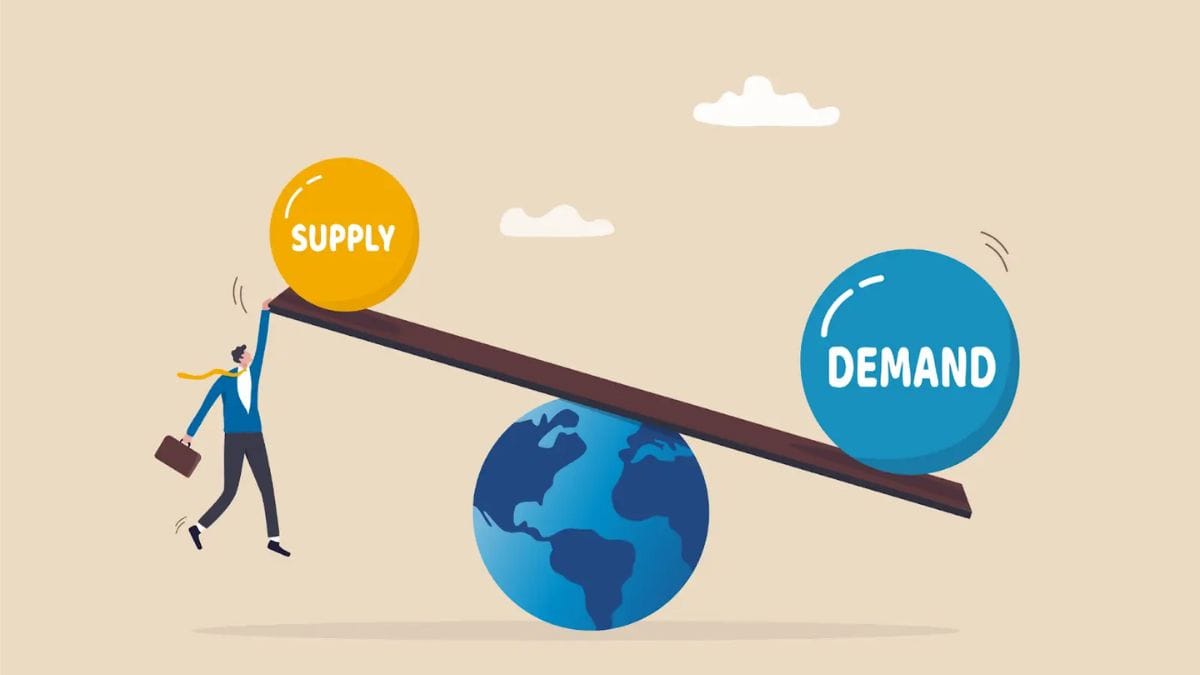
- Reduced consumer demand: When people stop spending, businesses lower prices to attract buyers.
- Overproduction: Too many goods and not enough buyers leads to price cuts.
- Tight monetary policy: When central banks reduce the money supply or raise interest rates, borrowing decreases, and so does spending.
- Technological advances: Sometimes, better technology lowers production costs, which can also drive prices down.
- Debt deleveraging: When both consumers and businesses focus on paying off debt instead of spending, demand falls.
In severe cases, like the Great Depression, multiple causes of deflation happen together and create a long-lasting economic crisis.
Effects
At first glance, deflation might seem like a benefit—cheaper prices, higher purchasing power, and savings that stretch further. But in reality, it often leads to economic problems.
Positive vs Negative Effects of Deflation
| Positive Effects | Negative Effects |
|---|---|
| Increased purchasing power | Decreased consumer spending |
| Lower interest rates | Lower business revenues |
| Affordable goods and services | Job cuts and wage deflation |
| Better savings value | Debt becomes more expensive |
When people expect prices to keep falling, they delay purchases. Businesses earn less, cut costs, and lay off workers. Unemployment rises, which reduces spending even more. It’s a domino effect that can lead to a full-blown recession.
Deflation vs Inflation
Both inflation and deflation are signs that something might be off in the economy. But their impact is very different.
| Feature | Inflation | Deflation |
|---|---|---|
| Prices | Increase | Decrease |
| Spending | Often rises | Often falls |
| Wages | Usually rise | May fall or stagnate |
| Borrowing | Encouraged | Discouraged |
| Debt value | Decreases over time | Increases over time |
| Economy | Can overheat | Can freeze or slow down |
Central banks like the RBI or the Federal Reserve usually target a low and stable inflation rate (around 2%) as the ideal balance to keep the economy healthy.
Historical Examples
One of the most well-known examples of deflation occurred during the Great Depression (1930s) in the United States. Prices dropped by nearly 25%, millions lost their jobs, and economic output collapsed.
In Japan, the economy suffered from “The Lost Decade” in the 1990s due to persistent deflation. Prices stagnated, and consumer spending fell drastically, resulting in slow economic growth for years.
These examples show how dangerous prolonged deflation can be for both individuals and nations.
Prevention
Governments and central banks work hard to avoid deflation because of its damaging effects. Here are a few tools they use:
- Lowering interest rates: This encourages borrowing and spending.
- Quantitative easing: Central banks inject money into the economy by buying assets.
- Increased government spending: Public projects and subsidies can boost demand.
- Tax cuts: More money in people’s hands often means more spending.
By carefully managing inflation targets and using these tools, policymakers aim to keep the economy in balance—not too hot, not too cold.
Tips
If you’re a consumer or investor during a deflationary period, here are a few things to keep in mind:
- Avoid taking on large debts—they become harder to repay when money gains value.
- Hold cash or low-risk assets—they perform better when prices drop.
- Focus on essential spending—cut out non-essentials to manage uncertainty.
- Look for bargains—but only buy what you really need.
- Monitor central bank actions—policy changes signal future economic direction.
Deflation may sound like a harmless dip in prices, but it’s actually a red flag for the economy. It discourages spending, stalls business growth, and increases the real burden of debt. While inflation tends to get more media attention, deflation deserves just as much concern. Understanding what it is and how it works helps you stay smarter with your money—especially when the economy is on shaky ground.
FAQs
What is deflation in simple terms?
Deflation is when prices of goods and services fall over time.
Is deflation good or bad?
It can seem good, but often leads to job cuts and low growth.
How does deflation affect debt?
Debt becomes more expensive as money gains value.
Can deflation cause recession?
Yes, prolonged deflation can trigger economic recession.
What causes deflation?
Falling demand, tight money supply, and overproduction.