Ever felt like your money doesn’t go as far as it used to? That’s inflation in action. It’s one of those economic terms we hear all the time, but it’s often misunderstood. In this guide, we’ll break it down into plain language so you can actually know what inflation is, why it happens, and how it affects your everyday life. No jargon, just real talk.
Meaning
Inflation is when the prices of goods and services go up over time. That means the same amount of money buys you less than before. For example, if a loaf of bread cost $1 last year and $1.10 this year, that’s inflation.
It doesn’t mean prices skyrocket overnight, but even small increases add up over time. Inflation is usually measured as a percentage, showing how much prices have risen over a certain period—usually a year.
Causes
There are a few main reasons why inflation happens:
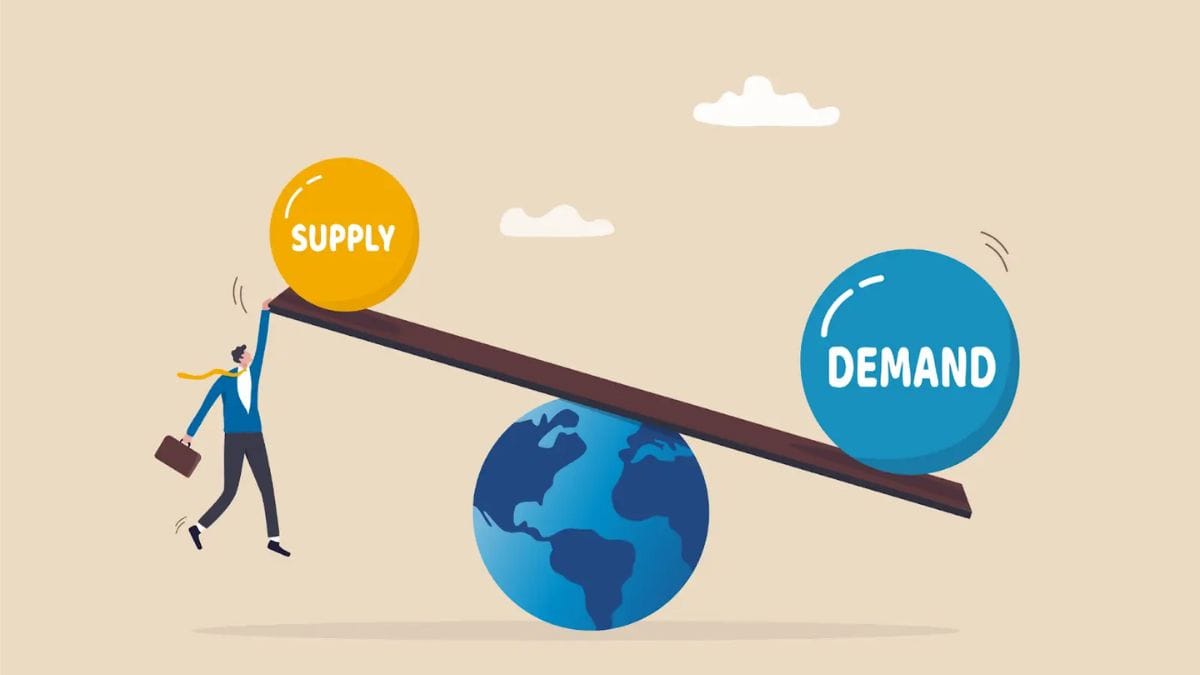
- Demand-pull inflation – This happens when people want to buy more stuff than companies can produce. Too much demand, not enough supply. So prices go up.
- Cost-push inflation – When the cost of making products goes up (like higher wages or more expensive materials), companies raise their prices to cover costs.
- Built-in inflation – This one’s a bit like a cycle. When prices rise, workers want higher wages. When wages go up, companies raise prices again to afford paying staff. And the loop continues.
Effects
Inflation isn’t all bad, but it can create problems if it goes unchecked. Let’s look at the good and the bad.
Good:
- A little inflation is normal and even healthy. It shows the economy is growing.
- It can reduce the real value of debt, which helps borrowers.
Bad:
- If your income doesn’t grow with inflation, you lose purchasing power.
- Savings lose value over time unless they earn interest above the inflation rate.
- It can create uncertainty, making people and businesses hesitate to spend or invest.
Measurement
The most common tool for measuring inflation is the Consumer Price Index (CPI). It tracks the prices of a standard “basket” of goods and services—like groceries, gas, rent, and clothes. When the total cost of that basket goes up, that’s inflation.
Here’s a simple table:
| Item | Price Last Year | Price This Year |
|---|---|---|
| Milk (1 gallon) | $3.50 | $3.85 |
| Gas (1 gallon) | $3.00 | $3.40 |
| Bread (1 loaf) | $2.00 | $2.20 |
| Movie Ticket | $10.00 | $11.00 |
If the prices in the table rise across the board, that’s inflation.
History
Inflation has been around forever. Some key events:
- 1970s US Inflation: Oil crises led to high inflation and economic turmoil.
- Hyperinflation in Zimbabwe (2000s): Prices doubled every day at one point.
- Germany (1920s): Post-war money printing caused people to carry cash in wheelbarrows.
While extreme cases are rare, they show how inflation can get out of control if not managed properly.
Control
Governments and central banks don’t just sit and watch inflation rise. They try to control it through policies. The most common method? Interest rates.
When inflation is high, central banks (like the Federal Reserve) often raise interest rates. That makes borrowing money more expensive, which slows down spending and cools inflation. On the flip side, if inflation is too low, they may lower rates to encourage spending.
They can also tweak the money supply or use tools like taxes and subsidies, but interest rates are their go-to lever.
Real-life
Wondering how inflation affects you personally?
- Groceries cost more than they did last year.
- Gas fills up the tank, but empties your wallet faster.
- Rent climbs, but your paycheck might stay the same.
- Savings in a low-interest account may lose value over time.
Inflation also affects retirement plans, investments, and wages. That’s why understanding it—even at a basic level—is so important.
Inflation may seem like a dull economics term, but it’s actually a big deal. It touches almost every part of your financial life, from the cost of your morning coffee to your long-term savings.
While it’s a normal part of a growing economy, too much inflation—or too little—can lead to serious problems. The key is balance, and that’s what policymakers aim for. So next time someone brings up inflation, you’ll know exactly what they mean—and how it matters to you.
FAQs
What is inflation in simple words?
It’s when prices rise and your money buys less.
Why does inflation happen?
It happens when demand is high or costs increase.
How is inflation measured?
Usually by tracking price changes using the CPI.
Is inflation always bad?
No, small inflation is actually normal and healthy.
How does inflation affect me?
It raises your living costs and lowers buying power.