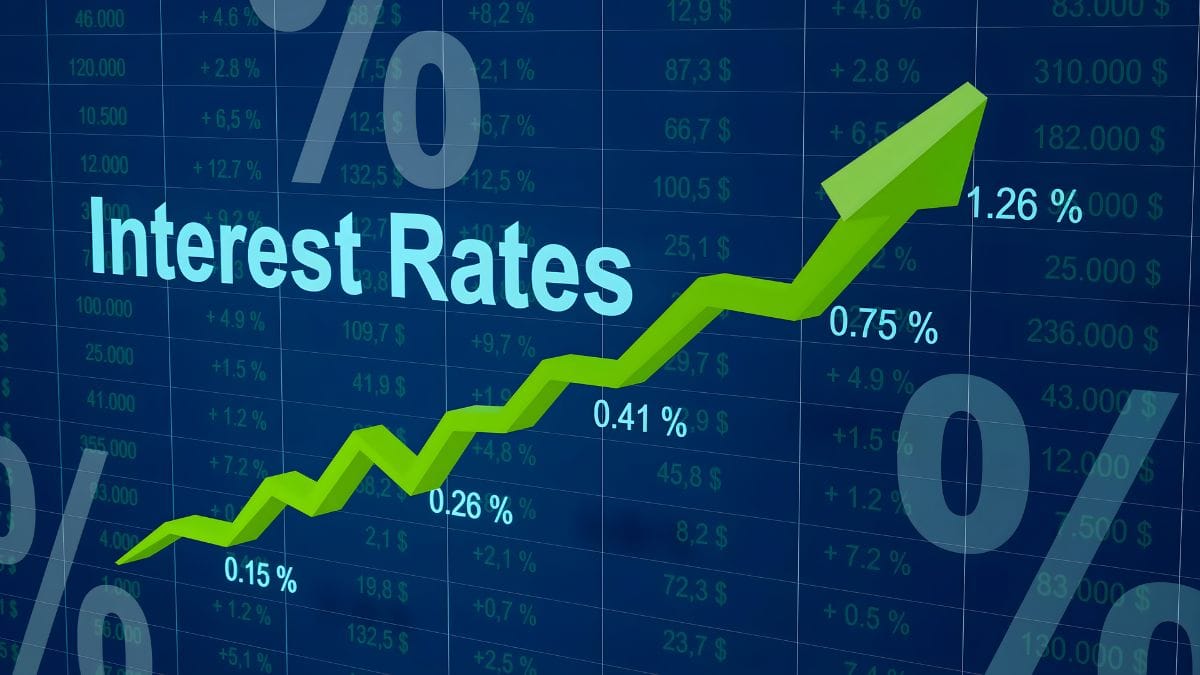
Ever wonder why borrowing money sometimes feels cheap and other times painfully expensive? That’s all thanks to interest rates. Whether it’s your credit card bill, mortgage, or even savings account, interest rates play a massive role in your personal finances. But what exactly are they, and why do they keep changing? Let’s break it down in plain English.
Meaning
Interest rates are basically the cost of borrowing money—or the reward for saving it. When you take out a loan, the interest rate tells you how much extra you’ll pay back on top of the original amount. On the flip side, if you save money in a bank account, the interest rate determines how much your money will grow.
Think of it like a rental fee. Borrowing $1,000 with a 5% interest rate is like paying $50 per year just to use that money.
Types
Not all interest rates are created equal. Here are the most common types:
- Fixed Rate – This doesn’t change over time. You’ll pay the same interest throughout the life of the loan.
- Variable Rate – This can go up or down depending on the market.
- Nominal Rate – This is the stated interest rate, not including inflation.
- Real Rate – Adjusted for inflation, giving you a clearer picture of your actual cost or return.
Understanding which one you’re dealing with is key to managing your money smartly.
Factors
So, why do interest rates change? A few big forces are at play:
- Inflation – When prices rise, lenders want more interest to make up for the reduced value of future repayments.
- Economic Growth – Strong economies tend to push rates higher; weaker ones see rates drop to encourage spending.
- Central Banks – Institutions like the Federal Reserve set the base interest rates for the country. Their policies have a major impact.
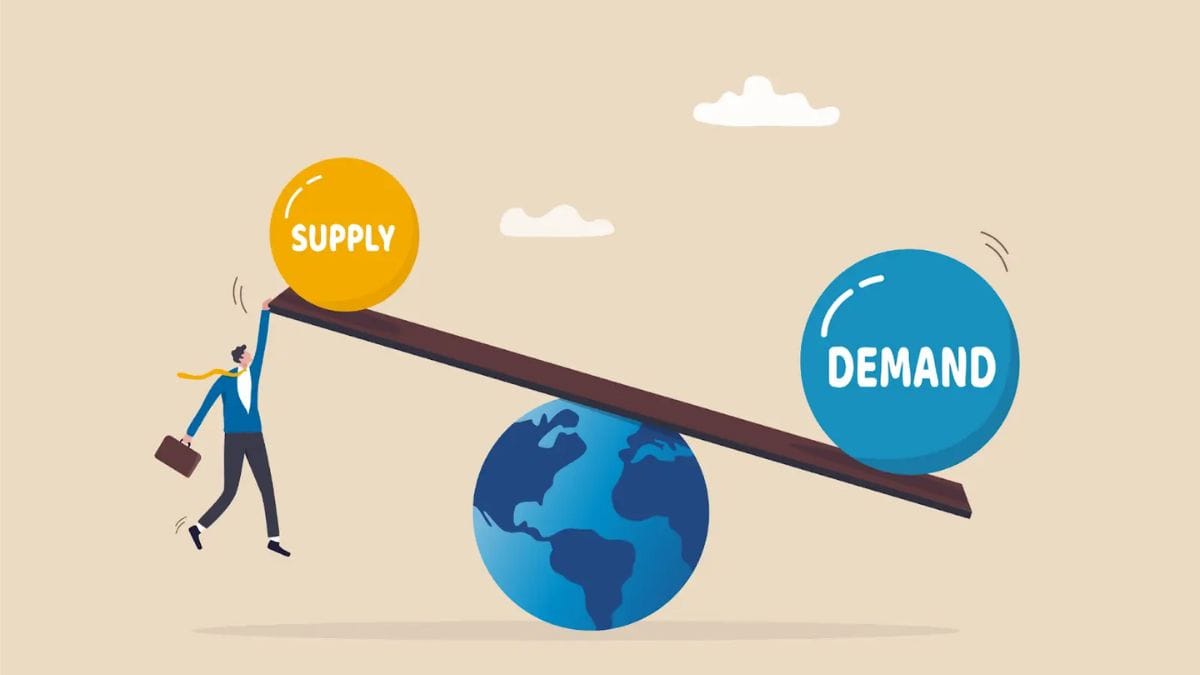
- Supply and Demand for Money – When borrowing is high, rates can rise. When there’s more money to lend, they might fall.
Role of Central Banks
Central banks have one of the biggest influences on interest rates. Take the U.S. Federal Reserve, for example. When they raise the federal funds rate, it becomes more expensive for banks to borrow from each other. Banks then pass those costs to consumers by raising interest rates on loans.
If inflation is high, the Fed raises rates to cool spending. If the economy is slow, they lower rates to spark borrowing and investment.
Real-life Impact
Interest rates affect way more than just loans. They influence nearly every corner of your financial life:
| Financial Product | Impact of High Rates | Impact of Low Rates |
|---|---|---|
| Credit Cards | Higher monthly payments | Lower interest charges |
| Mortgages | Expensive home loans | More affordable home loans |
| Savings Accounts | More interest earned | Less growth on savings |
| Business Loans | Costly to borrow | Cheaper financing |
So, whether you’re buying a home, saving for retirement, or paying off student debt, interest rates are silently shaping your decisions.
Changes
Interest rates don’t move randomly. Changes are usually driven by economic trends and central bank decisions.
For example:
- During a recession, central banks often cut rates to encourage spending and boost the economy.
- In times of inflation, they may hike rates to slow things down and bring prices under control.
These decisions can have ripple effects across everything from global markets to your grocery bill.
How It Affects You
Let’s say you’re planning to buy a car. If the interest rate is 3%, your monthly payment might be manageable. But if it jumps to 7%, suddenly the same car costs way more over time.
Or maybe you’re saving for a vacation. Higher interest rates in your savings account help your money grow faster without you lifting a finger.
Even your credit score comes into play. A better score often means you qualify for lower rates, saving you tons in the long run.
Knowing how interest rates work puts you in the driver’s seat. It helps you make smarter decisions whether you’re borrowing, investing, or saving. And while you can’t control the rates, you can definitely control how you react to them.
FAQs
What is an interest rate?
It’s the cost of borrowing or the reward for saving money.
Why do interest rates go up or down?
They change due to inflation, economy, and central bank policy.
How do interest rates affect loans?
Higher rates mean more expensive loan repayments.
Do interest rates affect savings?
Yes, higher rates mean more interest earned on savings.
Who sets interest rates?
Central banks like the Federal Reserve set base rates.