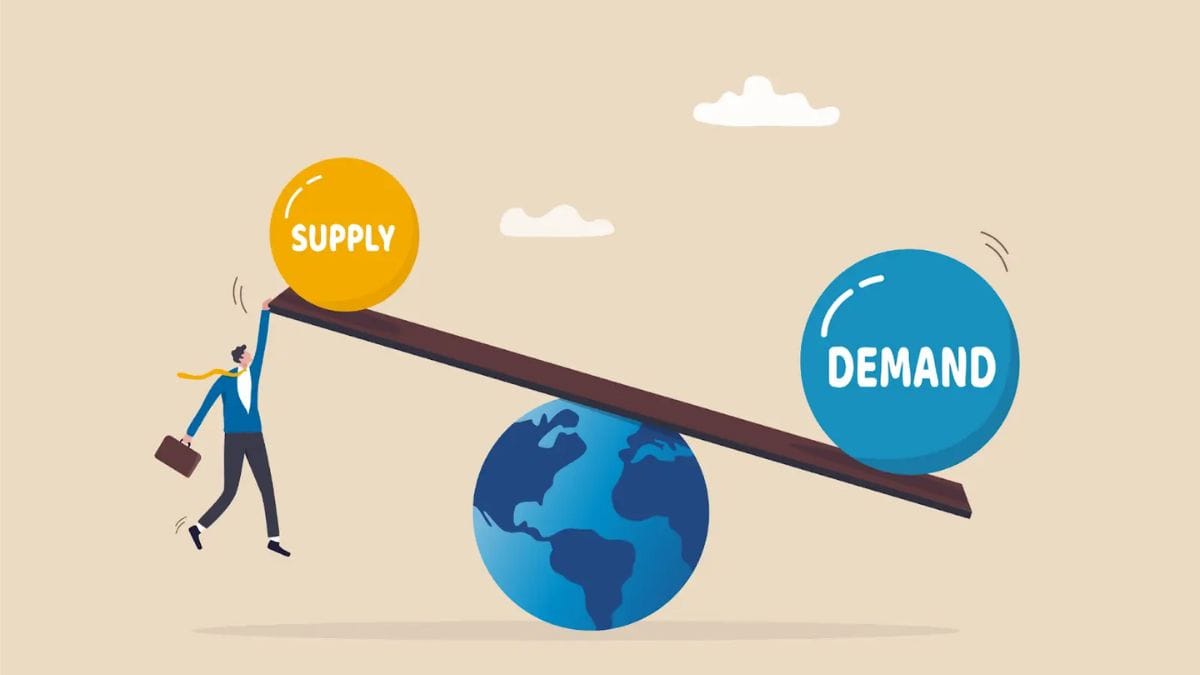
You’ve probably heard the term “fiscal policy” tossed around whenever there’s talk about the economy, budgets, or inflation. But what exactly is it, and why does it matter?
In simple terms, fiscal policy is how a government uses spending and taxation to influence a country’s economy. Whether it’s boosting growth, creating jobs, or managing inflation — fiscal policy plays a key role in how a nation moves forward financially.
Let’s break it all down so it actually makes sense, even if you’re not an economist.
Meaning
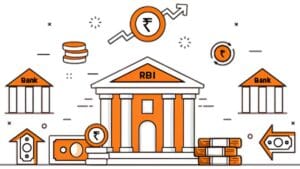
Fiscal policy refers to the government’s strategy of adjusting its income (through taxes) and spending levels to influence a nation’s economic performance. It’s one of the two major tools used by governments to control the economy — the other being monetary policy, which is managed by the central bank.
Think of fiscal policy like the government’s financial steering wheel. When the economy needs a push, the government spends more. When inflation is high, it might reduce spending or increase taxes.
In short:
Fiscal Policy = Government Spending + Taxation Decisions
Objective
Why does a government use fiscal policy in the first place? Here are the key goals:
- Boost economic growth during slowdowns
- Create employment by investing in public projects
- Control inflation by reducing excessive demand
- Reduce income inequality through targeted spending
- Stabilize the economy during booms and recessions
Types
There are mainly two types of fiscal policy — and they work in opposite ways depending on the economic situation.
Expansionary Fiscal Policy
This is used when the economy is slowing down or facing a recession. The government increases its spending and/or reduces taxes.
Goal: Stimulate demand, increase money flow, boost employment
Examples:
- Building highways, bridges, and infrastructure
- Reducing income tax so people have more money to spend
- Providing subsidies or stimulus packages (like during COVID-19)
Contractionary Fiscal Policy
This is used when inflation is high or the economy is overheating. The government reduces spending and/or increases taxes.
Goal: Slow down demand, reduce inflation, control public debt
Examples:
- Cutting down on government-funded programs
- Increasing excise duties or GST
- Reducing subsidies or welfare schemes
Tools
Fiscal policy mainly uses two tools:
| Tool | What It Does | Example |
|---|---|---|
| Government Spending | Direct investment in infrastructure, education, health, etc. | Funding roads, schools, hospitals |
| Taxation | Changes in income tax, corporate tax, GST, etc. | Lowering tax rates to boost spending |
By tweaking these tools, the government tries to balance growth and inflation.
Real Examples
Let’s look at some actual examples of fiscal policy in action:
- India’s 2020 COVID-19 Relief Package
The government announced a ₹20 lakh crore package to support small businesses, daily wage earners, and provide free food grains. This was a classic expansionary fiscal policy. - 2008 Global Financial Crisis (USA)
The U.S. government passed a stimulus bill to spend heavily on infrastructure and provide tax rebates to revive demand. - GST Hikes (India)
When the government increased taxes on luxury goods or tobacco products, it was using contractionary fiscal policy to curb consumption and collect more revenue. - Public Infrastructure Projects
When the Indian government spends on projects like PM Gati Shakti or Bharatmala, it’s creating jobs and stimulating the economy. - Reduction in Corporate Tax (2019)
To boost private investment, India slashed corporate tax rates — another expansionary move to stimulate the economy.
Fiscal vs Monetary
It’s easy to confuse fiscal and monetary policy, so here’s a simple comparison:
| Aspect | Fiscal Policy | Monetary Policy |
|---|---|---|
| Managed by | Government (Ministry of Finance) | RBI (Central Bank) |
| Tools | Spending & Taxation | Interest rates, money supply |
| Goal | Economic stability, growth, jobs | Control inflation, manage liquidity |
| Example | Tax cuts, public investment | Repo rate hikes, open market ops |
Both work together — while the central bank controls money flow, the government controls the budget.
Limitations
Fiscal policy sounds great, but it’s not perfect. Here’s why:
- Implementation delay: Policies take time to show results
- Political influence: Budgets can be driven by elections, not economics
- Fiscal deficit: Overspending can increase debt and hurt credit rating
- Crowding out: Too much public borrowing may reduce private investment
Still, with smart planning and execution, fiscal policy remains a powerful tool for shaping the economy.
Fiscal policy is like the government’s economic remote control — it can press “boost” during a slowdown or “pause” when inflation rises.
Knowing how it works gives you insight into everything from budget speeches to economic news headlines. Whether you’re a student, entrepreneur, or just a curious citizen, knowing the basics of fiscal policy can help you connect the dots on what’s happening in the economy.
FAQs
What is fiscal policy in simple terms?
It’s how the government uses taxes and spending to control the economy.
What are the two types of fiscal policy?
Expansionary (to boost economy) and contractionary (to reduce inflation).
Who controls fiscal policy in India?
The Ministry of Finance under the central government.
Is GST part of fiscal policy?
Yes, GST is a form of taxation, a key tool of fiscal policy.
What is the main goal of fiscal policy?
To maintain economic stability, control inflation, and promote growth.