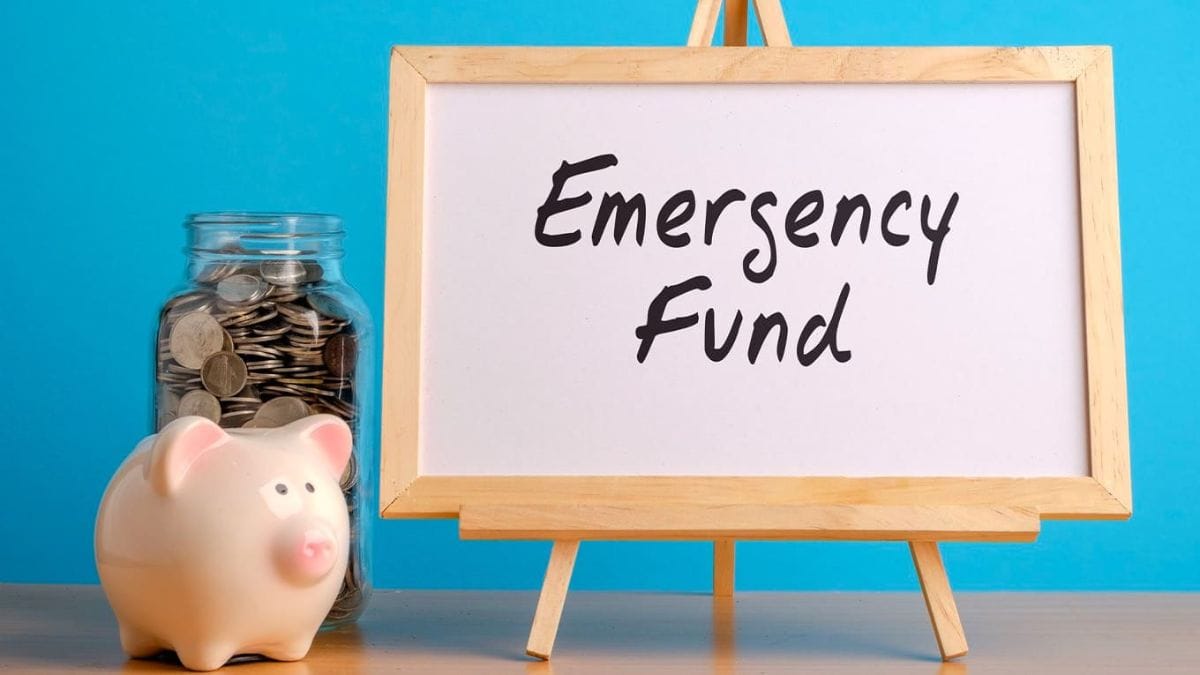
Life is unpredictable. One day you’re cruising through your routine, and the next—boom!—your car breaks down, you lose your job, or a medical bill shows up out of nowhere. That’s where an emergency fund steps in. It’s your personal financial safety net, and if you don’t have one yet, this guide will show you exactly why you need to build one today.
Let’s break it down in the simplest way possible.
Meaning
An emergency fund is money set aside specifically for unexpected expenses. It’s not for a planned vacation or a new phone. It’s for real emergencies—things you didn’t see coming but can’t ignore.
Think of it like a financial airbag. You hope you never need it, but when life hits hard, it can save you from crashing.
Purpose
So, why exactly should you have an emergency fund? Here’s what it helps you with:

- Sudden medical expenses
- Unexpected job loss
- Urgent car or home repairs
- Emergency travel
- Unplanned family expenses
The purpose is to give you financial breathing space during crises—without using your credit card or taking a loan.
Size
How much should you save? A general rule of thumb is to have 3 to 6 months of living expenses in your emergency fund.
Let’s say your monthly expenses (rent, food, bills, etc.) are ₹30,000. You should aim for at least ₹90,000 to ₹1.8 lakhs in your emergency fund.
Here’s a simple breakdown:
| Monthly Expenses | 3 Months Fund | 6 Months Fund |
|---|---|---|
| ₹20,000 | ₹60,000 | ₹1,20,000 |
| ₹30,000 | ₹90,000 | ₹1,80,000 |
| ₹50,000 | ₹1,50,000 | ₹3,00,000 |
You can always start small and build up gradually. Even ₹10,000 saved is better than nothing.

Where
The ideal place to keep your emergency fund is somewhere safe, liquid, and accessible. You don’t want it locked in a fixed deposit or invested in stocks where you can’t pull it out quickly.
Here are some good options:
- High-interest savings account
- Liquid mutual funds
- Sweep-in fixed deposits
Avoid using your emergency fund for investments or luxuries. It should be there only for real emergencies.
Build
Building an emergency fund doesn’t mean saving a huge amount overnight. Here’s how to start:
- Set a small goal like ₹5,000 or ₹10,000
- Automate monthly savings
- Cut one non-essential expense
- Use bonuses, refunds, or side income
It’s okay if it takes a few months or even a year to build your full fund. What matters is that you’re making progress.
Benefits
Still wondering if it’s worth it? Here’s how an emergency fund can change your life:
- Reduces financial stress
- Prevents debt from piling up
- Gives you more job flexibility
- Protects your savings and investments
- Helps your family feel secure
Financial emergencies are not “if” situations—they’re “when.” Being prepared makes all the difference.
Mistakes
Let’s look at what NOT to do with your emergency fund:
- Don’t invest it in high-risk instruments
- Don’t mix it with your regular savings
- Don’t use it for shopping, dining, or vacation
- Don’t keep it in cash at home
Keep it separate. Name the account “Emergency Fund” if you have to—it’s a great mental trick to keep your hands off it.
An emergency fund is like insurance for your financial health. It won’t make you rich, but it can stop you from going broke. If you’re just starting out in your career, married, or even a student, this one habit can save you years of financial stress. Start small, stay consistent, and let your emergency fund grow quietly in the background—until the day you really need it.
FAQs
How much should my emergency fund be?
Save 3–6 months’ worth of living expenses.
Where should I keep the fund?
Use a savings account or liquid mutual fund.
Can I use it for rent?
Yes, but only during emergencies like job loss.
Is ₹10,000 enough to start?
Yes, starting small is better than not starting.
Should I invest my emergency fund?
No, keep it in low-risk, easily accessible options.