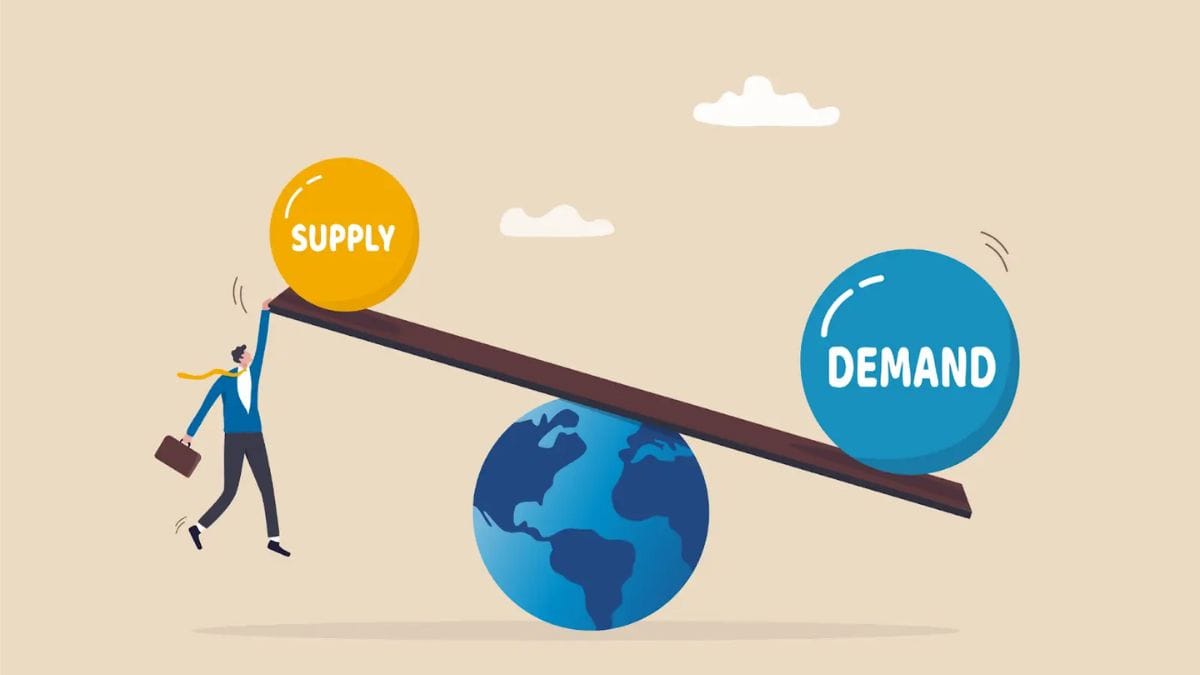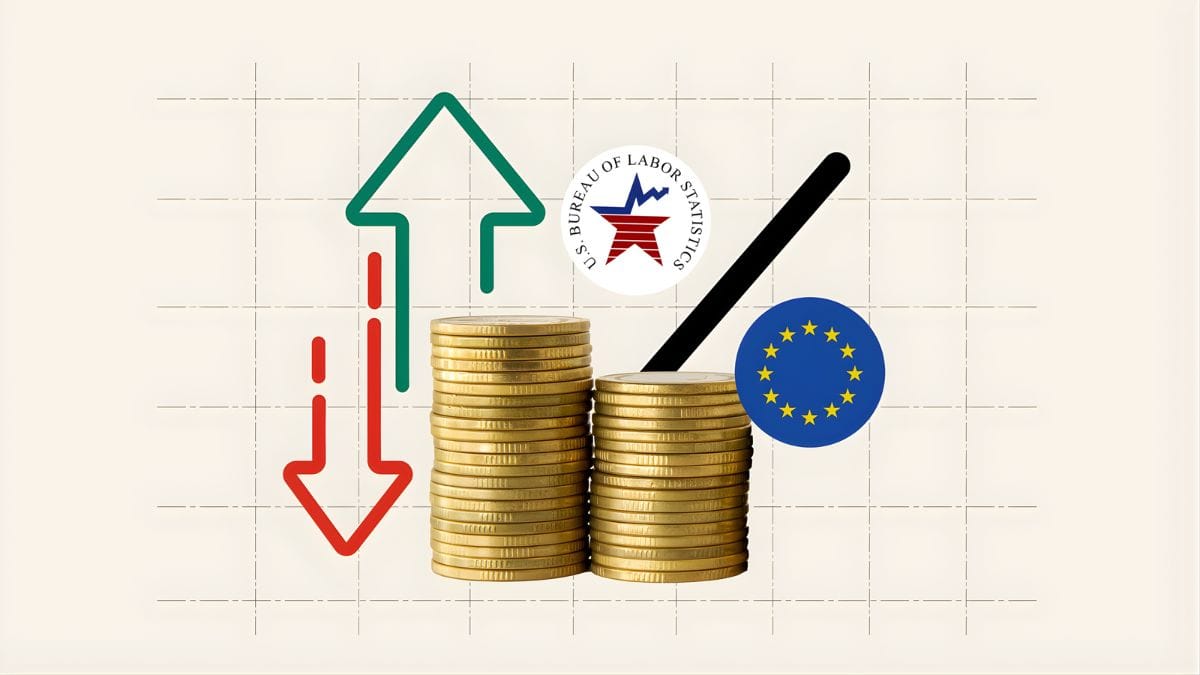
Ever wondered how governments, investors, or businesses know whether the economy is doing well or crashing? They don’t just guess—they rely on economic indicators. These are key data points that tell us how an economy is performing and where it might be headed.
Whether you’re a student, investor, entrepreneur, or just someone trying to make sense of the financial news, knowing economic indicators can give you a serious edge.
Meaning
So, what exactly are economic indicators?
They’re statistics or data used to measure different aspects of an economy. Think of them as the vital signs of a country—just like a doctor checks your pulse and temperature to assess your health, economists use these indicators to assess the economy.
They help answer questions like:
- Is inflation rising?
- Are people getting jobs?
- Is the country producing more or less?
And depending on what they show, decisions are made—from government policies to stock market moves.
Types
There are three main types of economic indicators based on timing:
| Type | What It Shows | Example |
|---|---|---|
| Leading Indicators | Predict future trends | Stock Market, Building Permits |
| Lagging Indicators | Confirm trends after they happen | Unemployment Rate, CPI |
| Coincident Indicators | Show current economic conditions | GDP, Retail Sales |
Let’s break this down:
- Leading indicators act like a forecast—they give clues about what might happen next.
- Lagging indicators reflect changes that have already occurred.
- Coincident indicators move in sync with the economy right now.
Examples
Here are some of the most important economic indicators you should know:
1. Gross Domestic Product (GDP)
This is the big one. GDP measures the total value of goods and services produced in a country. If GDP is growing, the economy is doing well. If it’s shrinking, there’s trouble.
2. Unemployment Rate
This shows what percentage of people who want to work are unable to find jobs. High unemployment is a red flag for economic problems, while low unemployment signals strength.
3. Inflation Rate
Measured using tools like the Consumer Price Index (CPI), inflation tells us how fast prices are rising. A little inflation is normal, but too much means your money is losing value.
4. Interest Rates
Set by central banks (like RBI in India), interest rates affect loans, mortgages, and business investments. Lower rates boost spending; higher rates slow it down.
5. Stock Market Indexes
Indexes like Nifty or Sensex give insights into investor confidence and future expectations. Though not always accurate, they’re considered a leading indicator.
6. Retail Sales
This tracks how much consumers are spending. If people are buying more, businesses earn more, which boosts the economy.
7. Manufacturing Data
Indexes like the PMI (Purchasing Managers’ Index) show how active the manufacturing sector is. It’s a clue to economic momentum.
Importance
Why should you care about all this? Because these indicators affect everyone. Here’s how:
- For individuals: They impact job availability, salary hikes, and price of goods.
- For investors: They guide when to buy, hold, or sell stocks.
- For businesses: They help in planning, budgeting, and forecasting.
- For policymakers: They inform decisions on interest rates, taxes, and welfare schemes.
Let’s say inflation is rising fast. You’ll likely see interest rates go up, loans become costlier, and your savings lose value. Knowing this in advance helps you act smarter with your money.
Watching
If you want to stay updated on economic indicators, here’s where you can look:
- Government websites: Like the Ministry of Statistics or Reserve Bank of India.
- News portals: Economic Times, Mint, Business Standard.
- Apps: TradingView, Investing.com, Moneycontrol.
- Reports: RBI Bulletins, IMF reports, World Bank data.
Even checking a few of these once a week will keep you ahead of most people.
Simple Tips
Want to make sense of economic indicators without getting overwhelmed?
- Track a few key ones regularly (like GDP, CPI, unemployment).
- Follow trends, not just monthly numbers.
- Compare with previous periods to understand direction.
- Think cause and effect – what happens if inflation rises?
It’s not rocket science. The more you follow, the clearer it gets.
FAQs
What is an economic indicator?
It’s a statistic that shows how an economy is performing.
Why are economic indicators important?
They help predict trends and guide financial decisions.
Is GDP a good economic indicator?
Yes, it’s a key measure of economic growth.
Where can I find economic indicators?
Government sites, financial news apps, and market reports.
What does inflation indicate?
It shows how fast the prices of goods and services are rising.