Heard the term “credit score” tossed around when applying for a loan or credit card? It’s one of those numbers that can quietly control major parts of your financial life. Whether you’re buying a car, getting a mortgage, or even renting an apartment, your credit score often plays a key role. But what exactly is it—and why does it matter so much? Let’s break it down in simple terms.
Meaning
A credit score is a number that shows how likely you are to repay borrowed money. Think of it as your financial trustworthiness score. It’s based on your credit history—things like how much debt you have, how often you pay on time, and how long you’ve used credit.
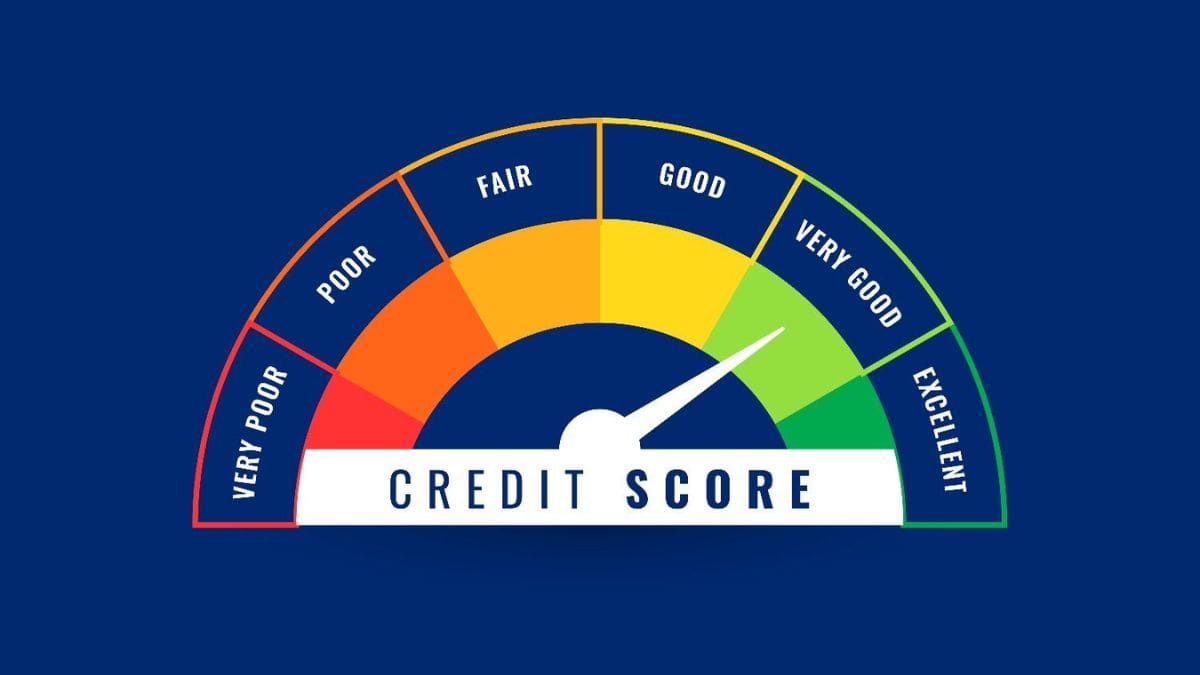
The score typically ranges from 300 to 850. The higher your score, the better. A high credit score tells lenders you’re a low-risk borrower, which means you’re more likely to get approved for loans and pay lower interest rates.
Range
Here’s a quick look at what the numbers mean:
| Score Range | Rating | What It Means |
|---|---|---|
| 800–850 | Excellent | You’ll likely get the best rates |
| 740–799 | Very Good | You’re seen as a low-risk borrower |
| 670–739 | Good | Acceptable, but not the best |
| 580–669 | Fair | You may face higher interest |
| 300–579 | Poor | Harder to get approved for loans |
The closer you are to 850, the better your chances of qualifying for credit with favorable terms.

Factors
Wondering what affects your credit score? Here’s what most scoring models look at:
- Payment history – Do you pay bills on time? (This is the most important.)
- Credit utilization – How much of your credit limit are you using?
- Length of credit history – How long have you had credit accounts?
- Credit mix – Do you have different types of credit (loans, cards, etc.)?
- New credit – Have you recently applied for a lot of new accounts?
Even one missed payment or maxed-out credit card can lower your score significantly.
Why It Matters
Your credit score can make or break your financial plans. Here’s how it affects your life:
- Loan approvals – Lenders use your score to decide whether to approve you.
- Interest rates – Higher scores = lower interest = big savings over time.
- Credit limits – Good scores often lead to higher credit limits.
- Rental applications – Many landlords check credit before renting.
- Job applications – Some employers (especially in finance) may check it.
So yes, that three-digit number has real-world consequences.
How to Check
You can check your credit score for free through:

- Your bank or credit card provider (many offer it as a feature)
- Free credit websites like Credit Karma or NerdWallet
- Official credit bureaus (Equifax, Experian, TransUnion)
Checking your score doesn’t hurt it—only a “hard inquiry” from a lender does.
How to Improve
If your credit score isn’t where you want it to be, don’t worry—there are ways to improve it:
- Pay bills on time every month
- Keep your credit card balances low
- Don’t apply for too much credit at once
- Check your credit reports for errors
- Keep older accounts open to build history
Improving your score takes time, but every smart decision adds up.
Myths
Let’s bust a few common credit score myths:
- Myth: Checking your own credit hurts your score
Truth: It doesn’t. That’s a soft check. - Myth: Closing old cards boosts your score
Truth: It can actually lower your score by shortening your history. - Myth: You need debt to build credit
Truth: You just need to use credit responsibly, not carry balances.
Knowing how credit scores work can help you unlock better financial opportunities. It’s not about being perfect—it’s about being consistent and responsible. Take care of your credit score, and it’ll take care of you when you need it most—whether that’s getting a mortgage, buying a car, or landing your dream apartment.
FAQs
What is a credit score?
It’s a number that shows how likely you are to repay debts.
What is a good credit score?
Anything above 700 is generally considered good.
Does checking my score hurt it?
No, checking your own score is a soft inquiry.
How can I improve my score?
Pay bills on time and keep credit usage low.
Why is credit score important?
It affects loan approvals, rates, and even rentals.