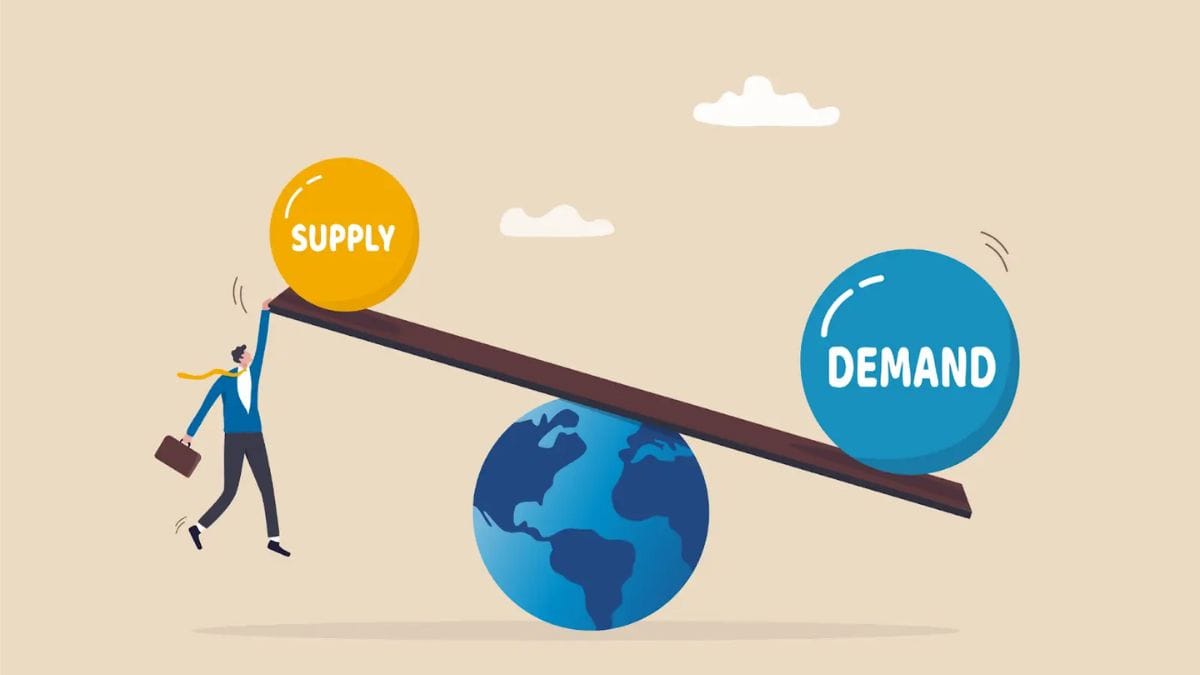
Ever wondered why markets sometimes rise or fall even when nothing major seems to have happened? One of the invisible forces behind these movements is something called consumer confidence. It’s not a buzzword used by economists just for fun — it actually plays a huge role in driving economic activity, business growth, and stock market trends.
Let’s break it down in simple terms and understand how consumer confidence works and why it matters so much.
Meaning
Consumer confidence refers to how optimistic or pessimistic people feel about their personal financial situation and the overall economy. If people believe the economy is doing well, they’re more likely to spend money. If they think a downturn is coming, they’ll hold back.
It’s basically a psychological snapshot of how people are feeling. And since consumer spending is a major driver of most economies — including India’s — this feeling can have real effects.
Indicators
To track consumer confidence, economists use surveys and indices. The most well-known ones include:
- Consumer Confidence Index (CCI) – Used globally, often reported monthly
- University of Michigan Consumer Sentiment Index – Popular in the U.S.
- RBI Consumer Confidence Survey – India’s version conducted by the Reserve Bank of India
These indicators ask people about their current financial conditions, expectations for the future, and how they feel about job security, inflation, and income.
Higher index numbers = more confidence
Lower index numbers = more fear or uncertainty
Spending
When consumer confidence is high, people feel secure in their jobs, expect their income to rise, and are more willing to spend money. This includes:
- Buying cars and homes
- Eating out or traveling
- Investing in businesses
- Shopping for non-essential goods
This kind of spending boosts demand, which then boosts production, which leads to more hiring — creating a positive cycle.
But when confidence is low, the opposite happens. People save more and spend less. Businesses make less money, hiring slows down, and the economy can shrink or enter a recession.
Business
Businesses closely watch consumer confidence data. When confidence is high, companies:
- Increase inventory
- Expand operations
- Invest in marketing
- Hire more staff
But if confidence drops, they often:
- Delay investments
- Cut marketing budgets
- Freeze hiring or even lay off staff
In short, confident consumers encourage confident businesses.
Stock
Believe it or not, the stock market also reacts to consumer confidence levels. Investors use these indicators to predict future earnings of companies.
Here’s how:
- High confidence → higher expected sales → stock prices rise
- Low confidence → fear of low demand → stock prices may drop
Sectors like retail, travel, real estate, and auto are especially sensitive to consumer sentiment.
Real-Life
Let’s say the RBI releases a report showing a sharp fall in consumer confidence due to rising inflation. Even if companies are still reporting profits, the stock market might drop because investors expect lower sales in the future.
Or consider a festival season when consumer confidence is high. People shop more, travel, and splurge on gadgets and gifts. This boosts profits for companies in retail, aviation, and food — which is reflected in stock market performance.
COVID
A clear example was during the COVID-19 pandemic. Consumer confidence plummeted due to fear, job losses, and uncertainty. Spending slowed down, markets crashed, and businesses paused investments. As vaccines rolled out and cases declined, confidence slowly returned — and so did spending and investing.
Here’s a simple comparison of high vs. low consumer confidence:
| Consumer Confidence | Behavior | Impact on Economy | Impact on Markets |
|---|---|---|---|
| High | Increased spending | Growth in GDP | Bullish market trends |
| Low | Increased saving | Slower economic growth | Bearish market trends |
Consumer confidence is like the mood of the nation — when people feel good, they spend more, businesses thrive, and markets cheer. When they feel uncertain or worried, everything slows down. It’s not just a number in a report — it’s a powerful force that shapes economies and markets across the globe.
Whether you’re an investor, a business owner, or just someone curious about how things work behind the scenes, knowing consumer confidence can help you make smarter decisions.
FAQs
What is consumer confidence?
It shows how people feel about their financial and economic future.
Why does it affect the market?
Because spending habits change based on confidence levels.
How is consumer confidence measured?
Through surveys like RBI’s Consumer Confidence Survey.
Which sectors are affected most?
Retail, travel, auto, and real estate are most impacted.
Does it impact stock prices?
Yes, it influences investor expectations and company earnings.