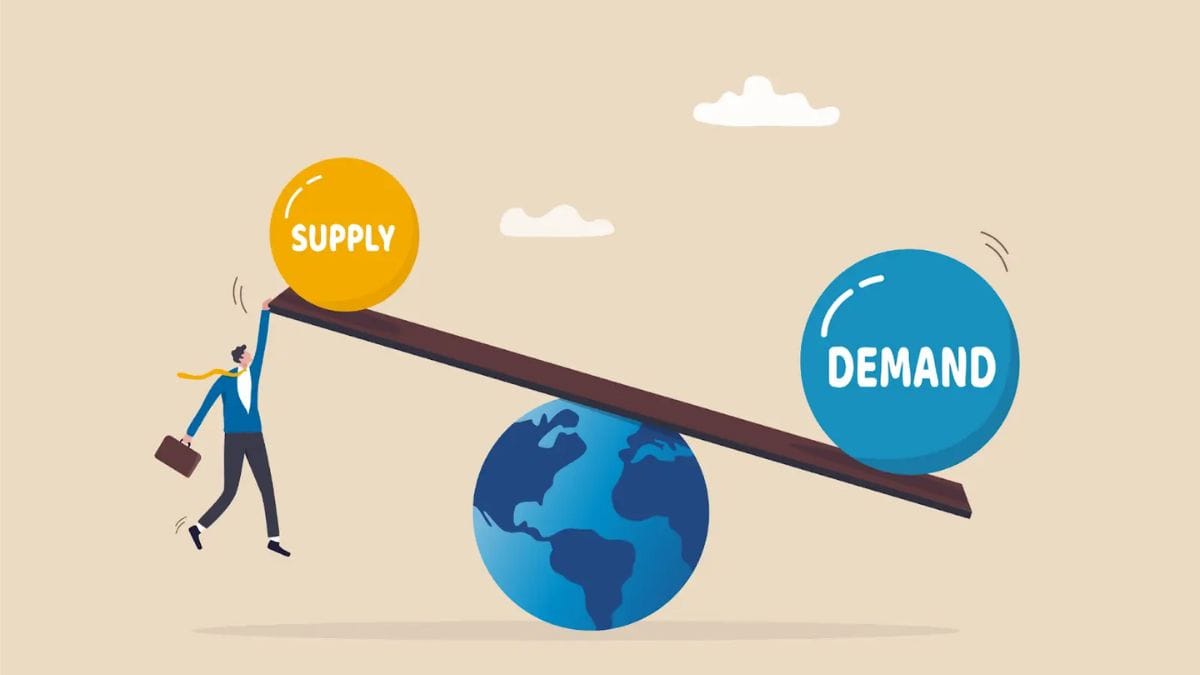
Ever heard the term budget deficit in the news and wondered what it really means? It’s one of those financial buzzwords that sounds complicated but is actually quite simple. In everyday terms, a budget deficit happens when a government spends more money than it earns. But the bigger question is — how does this affect the economy, your job, taxes, or even inflation?
Let’s break it down in simple language and know what a budget deficit is, why it happens, and what it means for the country and its people.
Basics
A budget deficit occurs when a government’s total expenses exceed its total revenue in a given financial year. In short:
Budget Deficit = Total Expenditure – Total Revenue
Revenue includes taxes, duties, and income from public sector enterprises, while expenditure includes defense, infrastructure, healthcare, education, and social programs.
If the government is spending more than it’s earning, it needs to borrow the difference — leading to national debt.
Reasons
Why does a government run a deficit instead of just balancing its books? Here are the main reasons:
1. Economic Stimulus
In times of economic slowdown, governments intentionally spend more to boost growth — investing in infrastructure, offering subsidies, or giving tax cuts to stimulate demand.
2. Emergency Spending
Events like natural disasters, wars, or pandemics (like COVID-19) force governments to spend extra to protect lives and jobs.
3. Welfare Schemes
Many countries run deficit budgets to fund large welfare programs like free education, food subsidies, or employment schemes, especially in developing economies.
4. Poor Tax Collection
If the tax base is narrow or tax evasion is high, government revenues fall, leading to a deficit even when spending is under control.
5. Interest Payments
Governments often borrow money, and the interest on that debt can become a major chunk of expenditure — increasing the deficit.
Types
Not all budget deficits are created equal. Here are the three main types:
| Type | Definition |
|---|---|
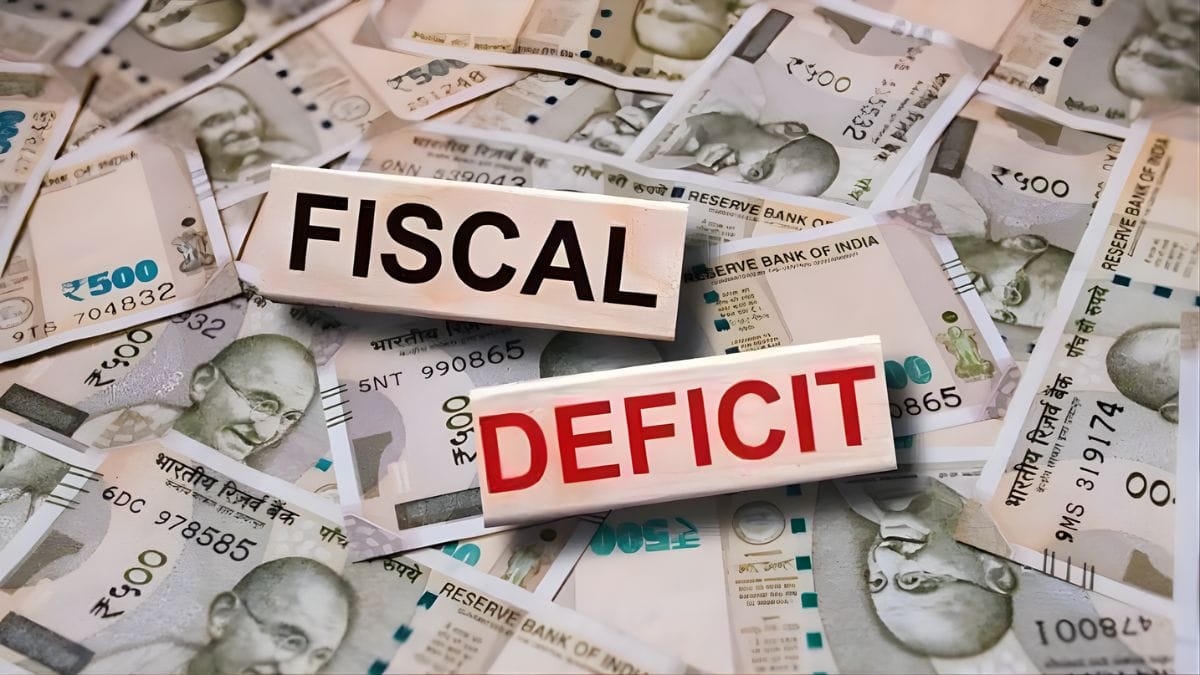
| Fiscal Deficit | Total expenditure minus total revenue (excluding borrowings) |
| Revenue Deficit | Revenue expenditure exceeds revenue receipts |
| Primary Deficit | Fiscal deficit minus interest payments on previous debt |
Each gives different insights into how the government is managing its finances.
Impact
Now comes the big question — how does a budget deficit impact the economy and you?
1. Inflation Risk
When governments spend more — especially by printing money — it can push up prices and cause inflation, reducing your purchasing power.
2. Higher Interest Rates
To fund the deficit, the government borrows from the market, which can reduce liquidity and push interest rates higher — making loans and EMIs more expensive.
3. Currency Devaluation
Persistent high deficits can reduce investor confidence, weakening the country’s currency in foreign exchange markets.
4. Lower Future Spending
The more money spent on interest payments today, the less money available tomorrow for schools, hospitals, or infrastructure.
5. Debt Trap Risk
If deficits continue year after year without growth in revenue, countries can fall into a debt trap — borrowing more just to repay old loans.
Example
Here’s a simplified example:
Let’s say a government earns ₹10 lakh crore in a year but spends ₹13 lakh crore. That’s a budget deficit of ₹3 lakh crore. To cover it, the government may borrow from:
- Banks
- International lenders
- By issuing government bonds
This adds to national debt and must be repaid with interest in the future.
Is It Bad?
Not necessarily. A deficit isn’t always bad — in fact, it can be necessary at times.
A Deficit is Good When:
- It’s used for capital investment (like roads or railways)
- It helps create jobs and boost income
- It’s temporary and the economy grows enough to recover
A Deficit is Bad When:
- It’s used for populist giveaways without long-term planning
- It leads to excessive debt with no growth
- It’s recurring with no plan to reduce it
Like using a credit card — occasional use for useful expenses is fine, but constant overspending leads to trouble.
Solutions
Governments try to reduce budget deficits using several strategies:
- Increase Revenue: Improve tax collection, widen the tax base, sell public assets
- Cut Expenditure: Reduce subsidies or delay less essential spending
- Privatization: Sell government stakes in PSUs to raise funds
- Encourage Growth: A growing economy naturally boosts tax revenue
A combination of smart spending and strong revenue policies is the key.
Knowing budget deficits helps you see how national policies affect your daily life — from taxes and petrol prices to jobs and inflation. A deficit isn’t a disaster, but how it’s managed makes all the difference. The goal should always be responsible borrowing and effective spending that leads to long-term economic growth.
FAQs
What is a budget deficit?
It’s when a government spends more than it earns in a year.
Is a budget deficit always bad?
No, if used for growth, it can be beneficial.
How is a deficit financed?
Mostly through borrowing and issuing bonds.
Does budget deficit cause inflation?
Yes, it can, especially if money supply increases.
Who manages the budget deficit?
The central government and finance ministry handle it.