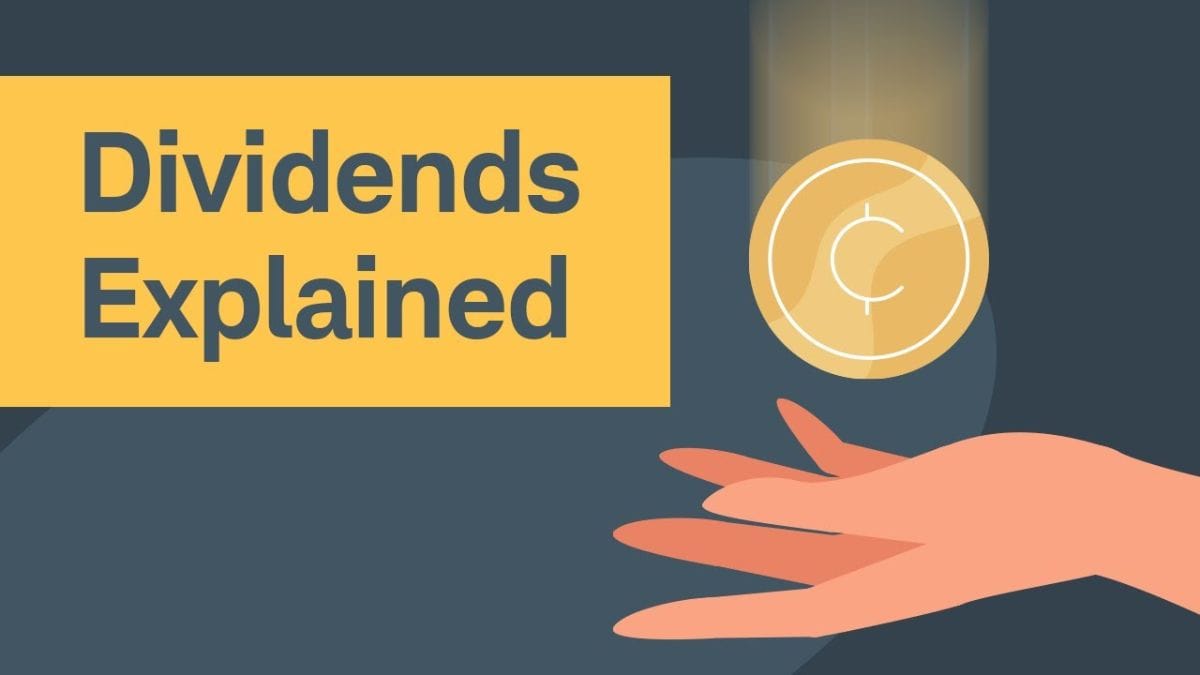
Ever heard someone say, “I got paid just for holding a stock”? That’s the magic of dividends. They’re one of the most exciting parts of investing — a reward for simply owning shares in a company.
But what exactly is a dividend? How do companies decide when and how much to pay? And what should investors know about them?
Let’s break it down in a simple, no-fluff way.
Meaning
A dividend is a portion of a company’s profits that is paid out to its shareholders. It’s like a thank-you note — in cash or shares — for investing in the company.
Companies don’t have to pay dividends. But when they do, it usually signals that the company is profitable and confident about its financial health.

Two common types of dividends:
- Cash Dividend – Most common, paid directly into your bank or brokerage account
- Stock Dividend – Given as additional shares instead of cash
Why Dividends Matter
Dividends are more than just extra cash. They:
- Provide steady income to investors
- Reflect a company’s financial strength
- Increase investor confidence
- Can be reinvested for compounding returns
- Make stocks attractive during market downturns
For long-term investors, dividends are a key part of total returns, along with price appreciation.
Who Gets Paid
Not all shareholders get dividends automatically. You need to own the stock before a specific date to be eligible. Here are the important terms you should know:
| Term | Meaning |
|---|---|
| Declaration Date | The date the company announces the dividend |
| Ex-Dividend Date | You must own the stock before this date to qualify |
| Record Date | The company checks its list to see who gets the dividend |
| Payment Date | The day the dividend is actually paid out |
If you buy the stock after the ex-dividend date, you won’t receive the upcoming dividend.
How It’s Declared
So how does a company decide to pay a dividend? It goes through a formal process involving the board of directors. Here’s how it typically works:

1. Profit Check
The company first checks its net profit after taxes. If there’s enough left after business costs and reserves, a dividend is considered.
2. Board Approval
The board of directors meets to decide:
- Whether to pay a dividend
- How much to pay (dividend per share)
- What type (cash or stock)
3. Official Declaration
On the declaration date, the company announces:
- Dividend amount
- Record date
- Payment date
4. Payment
On the payment date, the dividend is transferred to shareholders.
Example
Let’s say Tata Steel announces a ₹10 per share dividend:
- Declaration Date: April 1
- Ex-Dividend Date: April 10
- Record Date: April 11
- Payment Date: April 20
If you own Tata Steel shares before April 10, you’ll get ₹10 per share in your account on April 20.
Dividend Yield
Dividend yield tells you how much return you’re getting in relation to the stock price. It’s calculated using this formula:
Dividend Yield = (Annual Dividend / Share Price) × 100
For example, if a stock pays ₹20 annually and trades at ₹400,
Dividend Yield = (20 / 400) × 100 = 5%
A higher yield is attractive, but be cautious — it could also mean the stock price is falling due to risk.
Final Payout Types
Apart from regular dividends, companies may also pay:
| Type | Description |
|---|---|
| Interim Dividend | Paid before annual results, usually during the year |
| Final Dividend | Declared after the year-end financial results |
| Special Dividend | One-time payout due to high profits or asset sales |
These vary based on company performance and strategy.
Should You Care?
Absolutely. Even if you’re a casual investor, dividends offer:
- Passive income
- A cushion during market volatility
- Signals about a company’s health
Companies that pay regular, growing dividends are often well-managed and financially sound.
That said, not all good companies pay dividends. Many tech firms reinvest profits for growth instead of paying shareholders. So your investment goals — income vs growth — should guide your strategy.
FAQs
What is a dividend in simple terms?
It’s a share of profits that companies give to shareholders.
Do all companies pay dividends?
No, some reinvest profits for growth instead of paying dividends.
When do I receive the dividend?
On the payment date, if you held the stock before ex-dividend date.
What is dividend yield?
It’s the annual dividend divided by the stock price, shown as %.
Are dividends taxable?
Yes, in India they are added to your income and taxed accordingly.