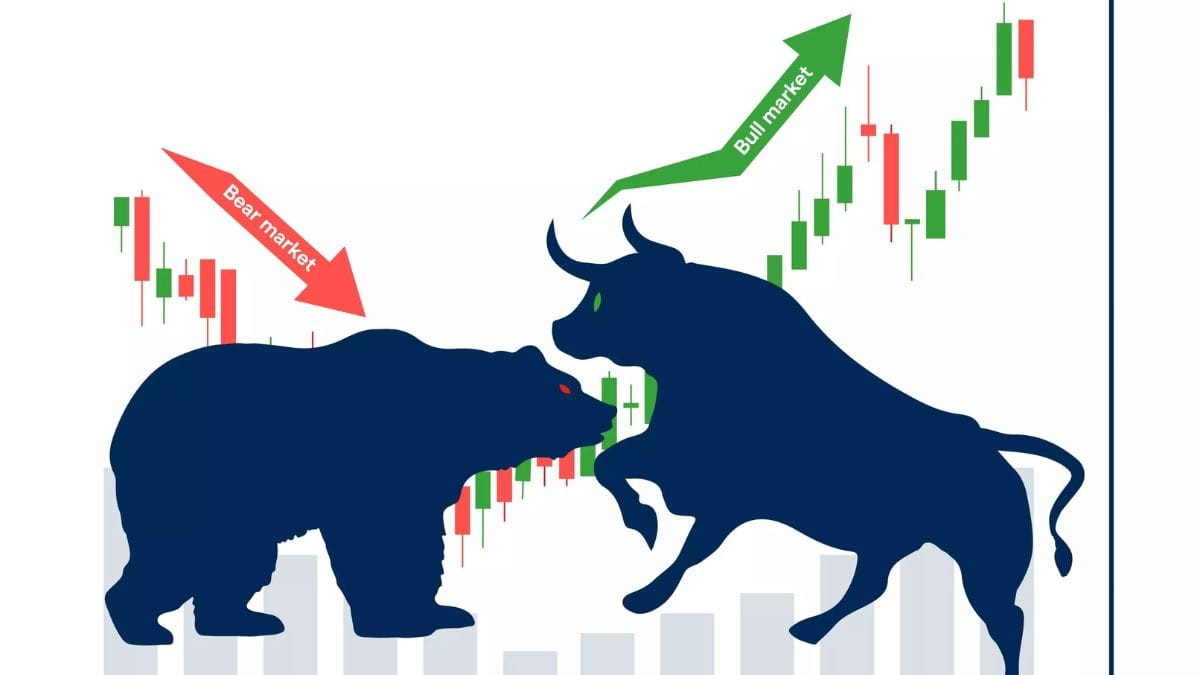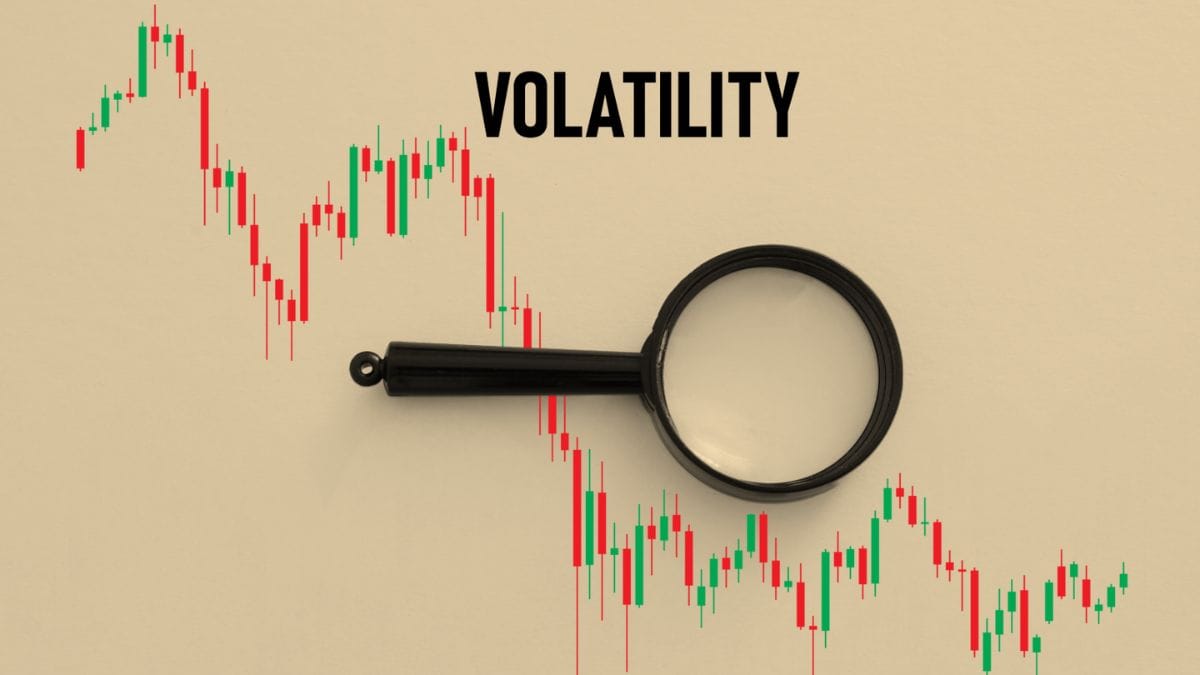
If you’ve ever heard the news scream “Markets are crashing!” or “Stocks are soaring!”—you’ve seen market volatility in action. But what exactly is market volatility? Why does it feel like the stock market is on a rollercoaster some days? Don’t worry, we’re breaking it all down in simple, real-life terms, so you’ll understand how volatility works and how to deal with it.
Meaning
Market volatility refers to how much and how quickly the prices of financial assets—like stocks, bonds, or cryptocurrencies—move up and down. High volatility means prices are swinging wildly. Low volatility means things are pretty steady.
Think of it like the weather. A calm, sunny day is low volatility. A storm with lightning and strong winds? That’s high volatility. Same goes for markets.
Causes
So, why does the market get so jumpy? There are several reasons:
1. Economic News
Anything from inflation data, interest rate changes, or unemployment figures can shake the market. Good news can send prices soaring. Bad news? A fast sell-off.
2. Global Events
Wars, pandemics, natural disasters—anything unpredictable that affects economies worldwide can create huge swings in prices.
3. Investor Emotion
Believe it or not, fear and greed drive markets more than logic. When people panic, they sell quickly, causing sharp drops. When they get excited, they buy in bulk, driving prices up fast.
4. Company Performance
When a company releases earnings that are much better or worse than expected, its stock price can jump or fall instantly.
5. Interest Rates
When central banks raise or cut interest rates, markets react. Lower rates can boost stocks. Higher rates might hurt them.
Examples
Here’s how volatility plays out in real life:

- In March 2020, COVID-19 caused global panic. Stock markets plunged over 30% in weeks.
- A few months later, markets bounced back sharply, setting new records.
- That’s extreme volatility—prices moving fast in both directions.
Even smaller things, like Elon Musk tweeting about Bitcoin, have caused major ups and downs. That’s how sensitive markets can be.
Measuring
Volatility is often measured using a statistic called standard deviation, or more commonly in the markets, the VIX index (also known as the “fear index”). A higher VIX means more expected volatility.
You don’t need to be a math wizard, but here’s a basic idea:
| VIX Level | Market Mood |
|---|---|
| Under 15 | Calm, low volatility |
| 15–25 | Normal market activity |
| Over 25 | High volatility, nervous investors |
Good or Bad?
Volatility isn’t always bad. In fact, some investors love it.
Pros:
- Opportunity to buy assets at lower prices
- Short-term traders can make quick profits
Cons:
- Unpredictable and stressful
- Increases risk of losses
- Can trigger emotional decisions
If you’re a long-term investor, volatility is just noise. But if you panic and sell every time the market dips, volatility becomes your enemy.
Strategy
Here’s how to handle market volatility:
- Don’t panic. Ups and downs are normal.
- Stay invested. Time in the market beats timing the market.
- Diversify. Spread your investments across sectors or asset types.
- Have a plan. Stick to your financial goals, not the headlines.
Volatility is like turbulence on a plane—it can be uncomfortable, but it doesn’t mean the plane is crashing.
To wrap it up, market volatility is just the measure of how much prices go up or down. It’s driven by news, global events, investor emotions, and economic shifts. While it may feel scary, it’s also a natural part of investing.
The key is not to fear volatility but to know it and have a plan to manage it. That’s how smart investors turn chaos into opportunity.
FAQs
What is market volatility?
It’s how much and how fast asset prices move up or down.
What causes market volatility?
Economic news, events, emotions, and interest rate changes.
Is volatility always bad?
No, it creates both risk and opportunity.
How is volatility measured?
Using tools like the VIX or standard deviation.
How should I deal with volatility?
Stay calm, diversify, and stick to your long-term plan.