If you’ve ever watched the news or read anything about stocks, you’ve likely heard terms like “bull market” or “bear market” thrown around. But what do they actually mean? Are they just fancy words used by finance geeks, or do they affect your money too? The truth is, knowing bear and bull markets is key to knowing how the economy—and your investments—are doing.
In this article, we’ll break it down simply: what they are, how they work, how they affect your portfolio, and how you can prepare for both.
Definitions
Let’s start with what these terms mean.
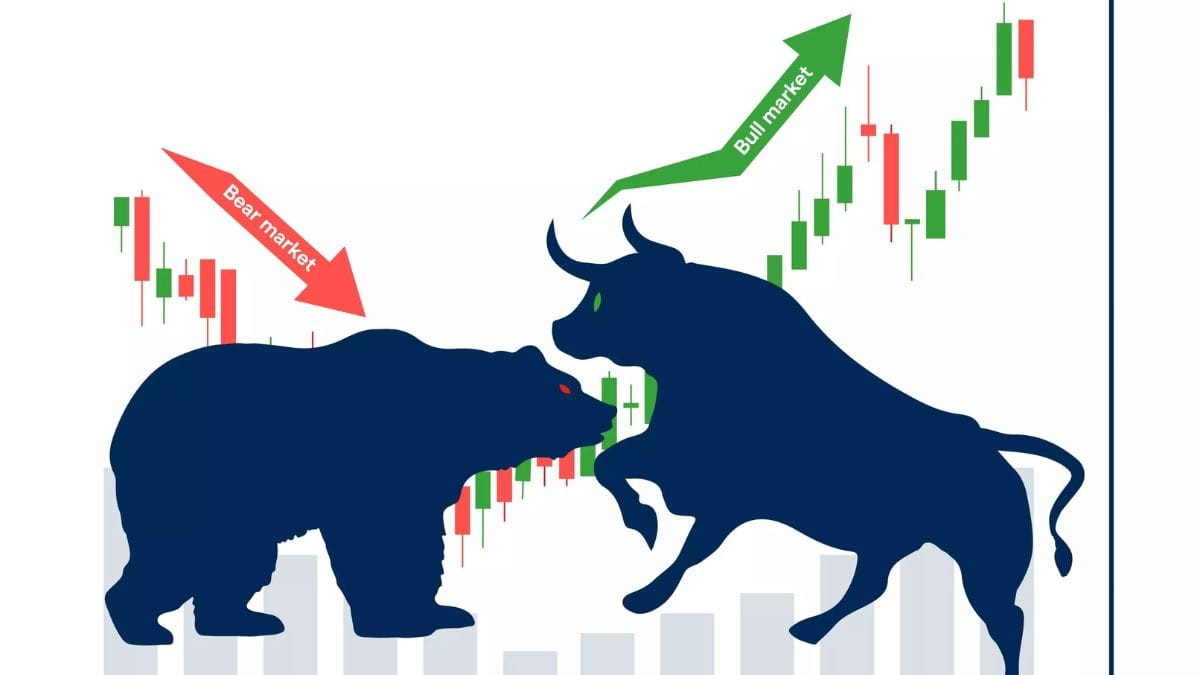
- A bull market is when stock prices are rising or expected to rise. It’s a time of optimism, growth, and investor confidence.
- A bear market is when stock prices are falling, usually by 20% or more from recent highs. It signals pessimism, fear, and sometimes a slowdown in the economy.
In short:
Bull = Up (charging forward)
Bear = Down (swiping downward)
Origins
Wondering where these terms come from?
- A bull attacks by thrusting its horns upward—just like rising prices.
- A bear attacks by swiping its paws downward—similar to falling markets.
It’s a metaphor from nature that perfectly captures market moods.
Key Features
| Feature | Bull Market | Bear Market |
|---|---|---|
| Price Movement | Rising | Falling (usually 20% or more) |
| Investor Mood | Optimistic | Pessimistic |
| Economic Conditions | Strong GDP, low unemployment | Recession fears, slow GDP |
| Interest Rates | Often lower to boost spending | Often rising or high |
| Investment Strategy | Buy and hold | Defensive, sometimes sell-off |
| Duration | Can last months or years | Usually shorter but more intense |
Bull Market
A bull market is usually seen during times of economic growth. Companies report good profits, employment is strong, and people are spending money. Investors feel confident and are willing to take more risks.
Signs of a Bull Market:
- Stock indices like Sensex or Nifty keep climbing
- Corporate earnings are increasing
- Investors are buying more stocks
- IPOs and tech startups are booming
Strategies in a Bull Market:
- Buy early: Get in before prices peak
- Stay invested: Let your investments grow
- Take profits: Sell gradually as prices rise
Bear Market
A bear market typically signals trouble in the economy. Inflation might be rising, people are spending less, and businesses start laying off workers. It creates fear and uncertainty, leading investors to sell off their holdings.
Signs of a Bear Market:
- Major indices fall more than 20%
- Investors move to safe assets (like gold)
- Market sentiment turns negative
- Media headlines scream “crash”
Strategies in a Bear Market:
- Stay calm: Don’t panic-sell
- Diversify: Spread your investments
- Look for bargains: Quality stocks are often cheaper
- Have cash ready: To invest when things recover
Historical Examples
Here are some real-life examples of each type:
| Type | Example | Duration |
|---|---|---|
| Bull Market | Post-2008 Recovery (2009–2020) | 11 years |
| Bear Market | COVID-19 Crash (Feb–Mar 2020) | 1–2 months |
| Bull Market | IT Boom (2003–2008) | 5 years |
| Bear Market | 2008 Financial Crisis | 1.5 years |
Bull markets last longer, while bear markets are sharper and shorter.

Impact
Here’s how these markets can impact different types of people:
- Investors: Gains in bull markets, potential losses in bear markets
- Job Seekers: More hiring during bull runs, layoffs in bear markets
- Businesses: Profits and expansion during bull, cost-cutting during bear
- Consumers: Spend more in bulls, save more in bears
Your SIPs, mutual funds, and even retirement plans can be affected by these market swings.
Tips
Whether you’re in a bull or bear market, here are some smart moves:
- Don’t time the market: It’s nearly impossible to guess perfectly
- Stick to your goals: Long-term investing pays off
- Rebalance your portfolio: Adjust based on risk tolerance
- Keep learning: Understanding markets helps you stay calm
Markets will always go up and down. What matters is how prepared and patient you are.
Bull markets bring excitement, and bear markets bring caution. Both are natural parts of the financial cycle. The key is not to fear the bear or chase the bull blindly, but to know their patterns and adjust your strategy accordingly. Whether you’re just starting out or already investing, knowing the difference can help you make smarter, calmer financial decisions in any market.
FAQs
What is a bull market?
It’s when stock prices are rising and investor confidence is high.
What causes a bear market?
Falling prices, economic slowdown, or rising interest rates.
How long do bull and bear markets last?
Bull markets last longer; bears are usually shorter and sharper.
Can you make money in a bear market?
Yes, through smart investing, buying dips, or defensive stocks.
Should I sell during a bear market?
Only if it aligns with your goals. Panic selling is risky.