Ever wondered why stock markets sometimes behave like a rollercoaster—up one day, crashing the next? That’s volatility in action. It’s one of the most talked-about terms in investing, but also one of the most misunderstood.
In simple terms, volatility measures how much and how quickly the price of an asset moves. But there’s more to it than just numbers on a chart. Let’s cut into what volatility really means, why markets move sharply, and what it means for your money.
Basics
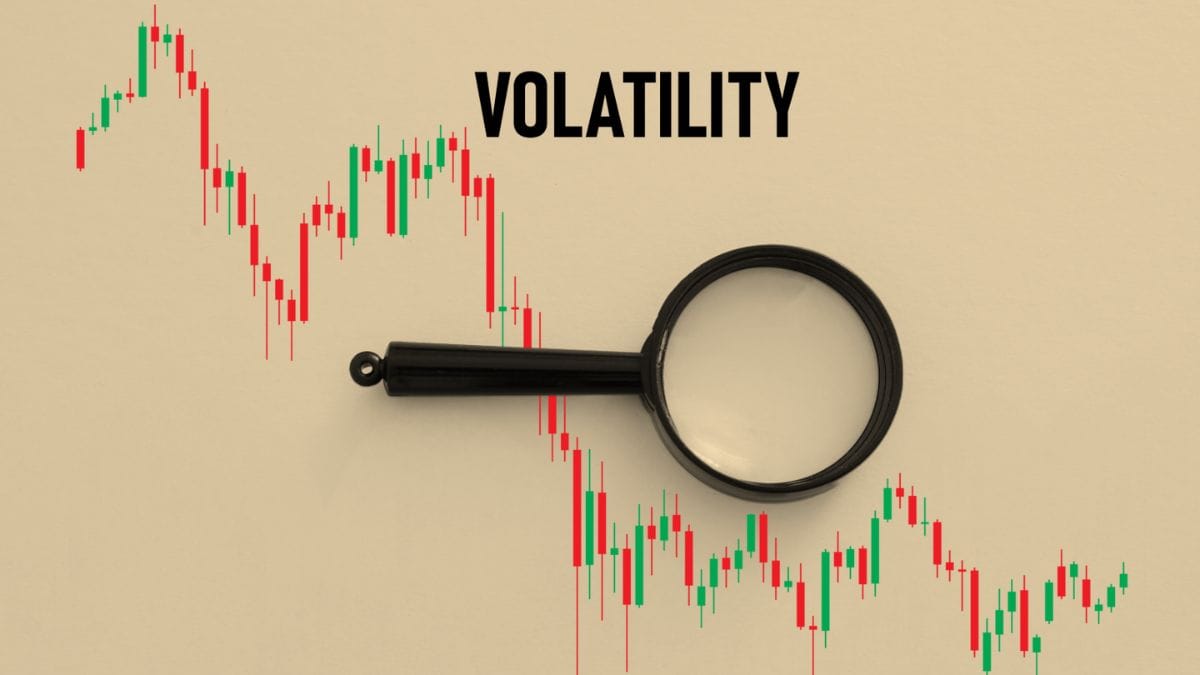
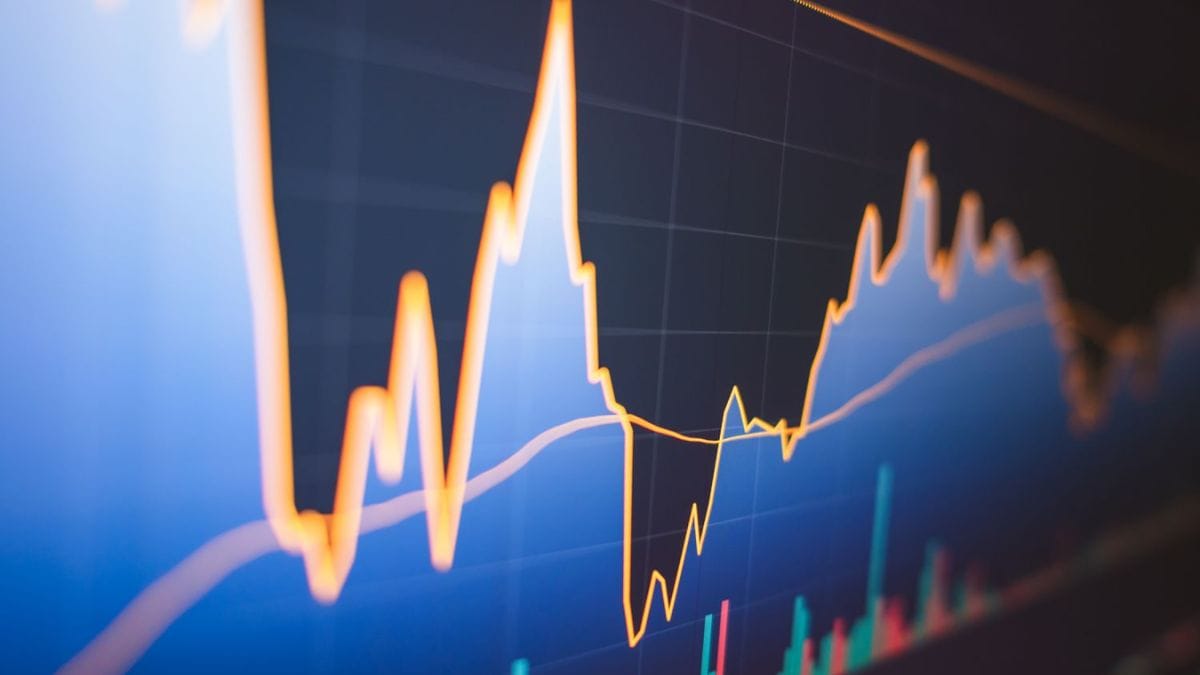
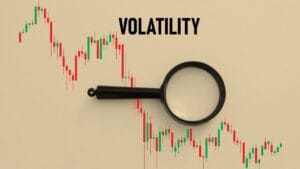
Volatility refers to the rate at which the price of a security or market index increases or decreases for a given set of returns. If the market or a stock moves up and down quickly within a short time, it’s considered highly volatile. If it moves slowly and steadily, it’s low volatility.
In India, you’ll often hear about the VIX, or Volatility Index, which reflects the market’s expectations of volatility over the near term. It’s sometimes called the “fear gauge” because spikes in the VIX often signal increased investor anxiety.
Causes
So, what causes these wild price swings? Here are some of the usual suspects:
- Economic news: Inflation data, GDP figures, interest rate announcements, and other macro indicators.
- Global events: Geopolitical tensions, war, oil prices, and major international policies.
- Company earnings: A surprising earnings result can swing stock prices by 10% or more in a day.
- Market sentiment: Sometimes it’s all about perception—fear or greed can take over logic.
- Liquidity: If fewer people are buying and selling, even small trades can cause big price shifts.
Impact
Volatility affects everyone—from day traders to long-term investors. For traders, it can be an opportunity. For long-term investors, it can be unsettling. Sharp declines might lead to panic selling, while sudden spikes might lure people into risky decisions. That’s why understanding volatility is key to staying calm and making smart choices.
Measurement
How do you actually measure volatility? There are a few ways:
| Method | Description |
|---|---|
| Historical Volatility | Based on past price movements |
| Implied Volatility | Market’s expectation of future volatility |
| Standard Deviation | Statistical tool for measuring fluctuation |
| VIX Index | Tracks expected short-term market volatility |
The higher the volatility, the higher the risk—but also the potential reward.
Emotions
Markets are driven by people, and people are emotional. Fear and greed are the two biggest forces behind volatility. When investors panic, they sell quickly, pushing prices down. When they’re overly optimistic, they buy in droves, inflating prices. It’s like a crowd in a stadium—one person runs, and everyone follows, even if they don’t know why.
Reactions
Volatility isn’t always bad. In fact, many traders thrive on it. But it’s important to know how to react:
- Don’t panic: Short-term dips are normal.
- Diversify: Spread out your investments to manage risk.
- Stick to your plan: Don’t make emotional decisions.
- Look for opportunity: Volatile markets often create buying opportunities.
Cycles
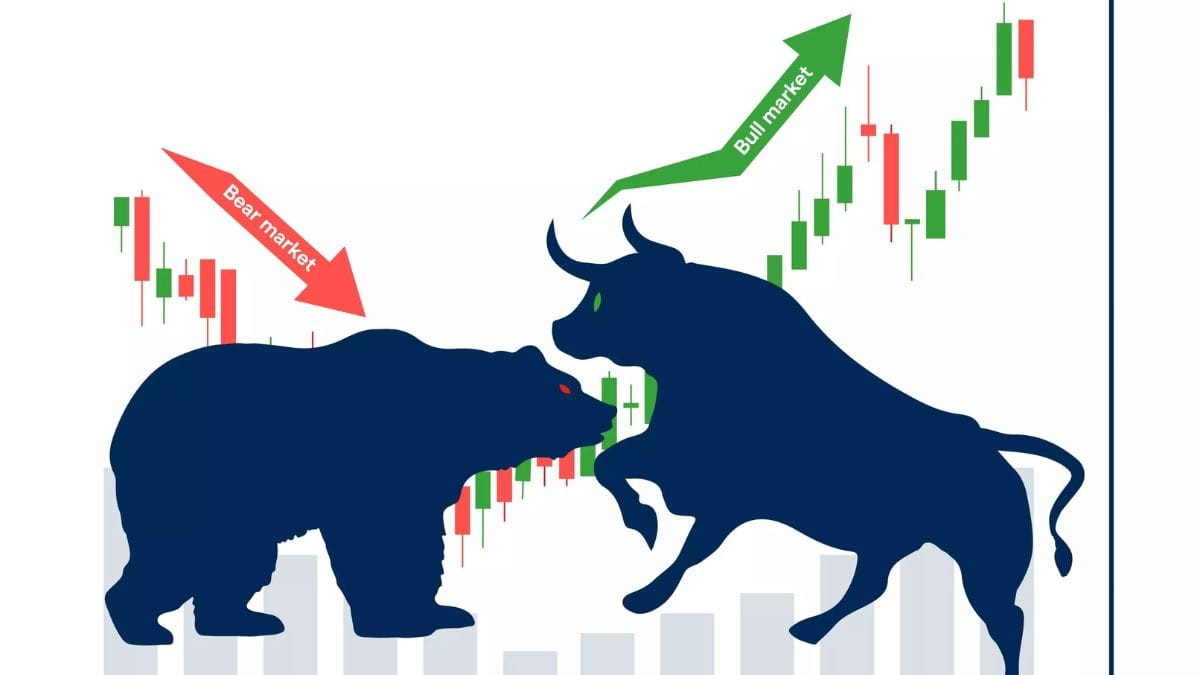
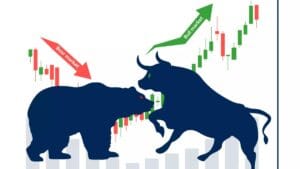
Markets move in cycles—bullish, bearish, or sideways. Volatility often spikes during times of uncertainty or transition. For example, before or after elections, during a global crisis, or when interest rates are changing. Recognizing these patterns helps investors prepare and respond wisely.
Strategy
Volatility can actually work in your favor if you have the right strategy. Some investors use “volatility trading” techniques or hedge their portfolios using options. Others simply buy during dips and hold for the long term, using rupee cost averaging to reduce risk over time.
Here’s a simple table to summarize good practices during volatile times:
| Strategy | Benefit |
|---|---|
| Stay Invested | Avoid losses from panic selling |
| Diversification | Reduces impact from one asset’s movement |
| SIPs (Systematic Investment Plans) | Smooth out entry points |
| Emergency Fund | Keeps you from liquidating investments |
| Avoid Timing Market | Long-term wins over short-term guesses |
Volatility is a natural part of investing. Think of it like turbulence on a flight—it might shake you up a bit, but it doesn’t mean the plane is crashing. With knowledge and a bit of patience, you can stay strapped in and reach your destination safely.
FAQs
What is market volatility?
It’s the rate at which asset prices rise or fall sharply.
Is volatility good or bad?
It can be both—opportunity for traders, risk for investors.
Why does the market become volatile?
Due to economic news, global events, or investor emotions.
What is India VIX?
It’s an index measuring expected market volatility in India.
How can I manage volatility?
Diversify, stay calm, and follow a long-term strategy.