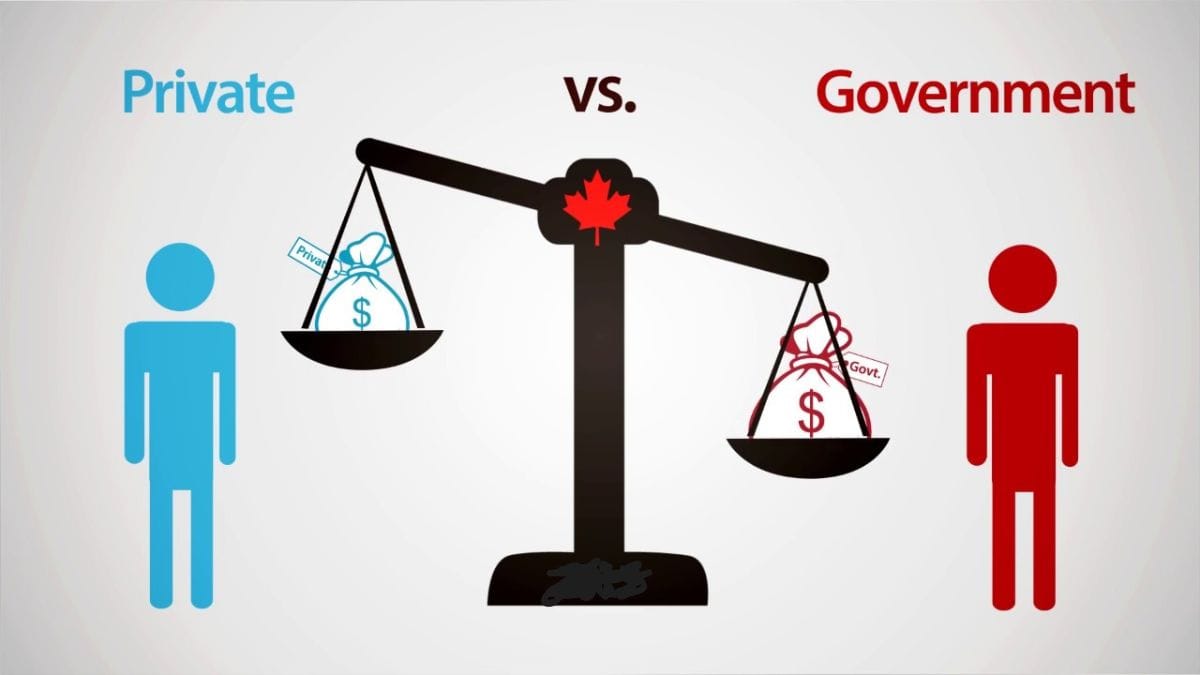
Ever come across terms like public companies, private companies, and government companies and wondered what actually sets them apart? Don’t worry — you’re not alone! These company types might sound similar, but they operate differently, have different ownership structures, and follow distinct rules.
In this simple guide, we’ll break down the difference between public, private, and government companies with examples so you can finally get the concept crystal clear.
Meaning
Let’s start with what each type means:
Public Company
A public company is one that can sell its shares to the general public through a stock exchange. It’s usually larger in size and needs to follow strict regulatory standards.
Example: Tata Motors, Infosys, Reliance Industries

Private Company
A private company is owned by a small group of people (like founders, family members, or a few investors) and its shares are not traded publicly.
Example: Zomato (before IPO), OYO, BYJU’S
Government Company
A government company is one in which the central or state government owns at least 51% of the shares. These companies may be formed for commercial, infrastructure, or strategic purposes.
Example: ONGC, Indian Oil, BSNL
Ownership
| Type | Ownership |
|---|---|
| Public Company | Owned by shareholders from the public |
| Private Company | Owned by a limited group of people |
| Government Company | Majority-owned (≥51%) by the government |
Capital
- Public Companies raise capital from the stock market (IPO)
- Private Companies raise funds from private investors or promoters
- Government Companies are funded by government investment, though some also raise money from the market
Regulation
- Public Companies follow the strictest compliance norms under SEBI and Companies Act
- Private Companies follow fewer disclosure and reporting requirements
- Government Companies follow the Companies Act + are also subject to CAG audits and other government regulations
Board & Management
While all companies have a board of directors:

- Public Companies often have independent directors and more governance checks
- Private Companies have less external interference in decision-making
- Government Companies often have government-appointed directors and are influenced by political decisions
Share Trading
| Type | Can Shares Be Publicly Traded? |
|---|---|
| Public Company | Yes (on stock exchange) |
| Private Company | No |
| Government Company | Some are listed, some are not |
For example, ONGC is a listed government company, but BSNL is not.
Examples
| Company Type | Examples |
|---|---|
| Public Company | Infosys, TCS, ITC |
| Private Company | Zerodha, Swiggy, Ola |
| Government Company | NTPC, Indian Railways (PSUs), GAIL |
Formation
Here’s how they are generally set up:
- Public Company: Requires minimum 7 shareholders
- Private Company: Requires minimum 2 shareholders
- Government Company: Formed by government notification or registration, with 51%+ shares owned by govt
Legal Status
All three types are separate legal entities, which means they can own assets, enter contracts, and sue or be sued in their own name. However:
- Public and government companies have more public scrutiny
- Private companies enjoy more privacy and control
Quick Comparison
| Feature | Public Co. | Private Co. | Govt. Co. |
|---|---|---|---|
| Ownership | Public shareholders | Few private owners | Govt (≥51%) |
| Share Trading | Allowed | Not allowed | Depends |
| Regulation | High | Moderate | High (Govt + Audit) |
| Formation | Min 7 members | Min 2 members | By govt with 51% stake |
| Transparency | High | Low | High |
| Example | Reliance | OYO | ONGC |
Public, private, and government companies each serve different purposes in the economy. While public companies offer transparency and large-scale capital access, private companies offer agility and control. Government companies, on the other hand, aim to balance business goals with public welfare.
Knowing these differences can help you whether you’re investing, doing business, or just trying to grasp how the corporate world works.
FAQs
Who owns a government company?
The central or state government owns at least 51% of it.
Are public companies government-owned?
Not always. Public means shares are traded on stock markets.
Can a private company go public?
Yes, through an IPO (Initial Public Offering).
Do government companies make profits?
Yes, many PSUs are profit-making and listed too.
Which company type has the most freedom?
Private companies usually have more operational flexibility.