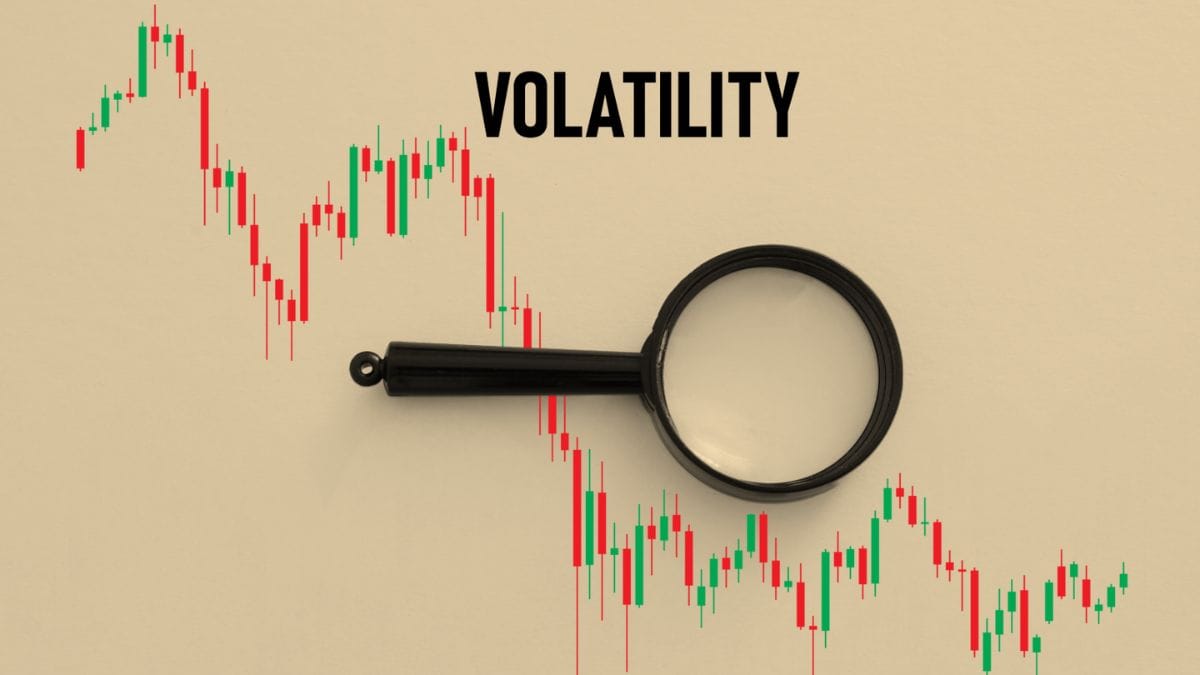
Ever noticed how a war in the Middle East or a rate hike by the US Fed affects the Indian stock market? Or how rising oil prices can suddenly push inflation up at home? That’s the power of global events — even if they happen thousands of miles away, they can shake up our domestic markets in a big way.
If you’re just starting to know the financial world, this beginner-friendly guide explains how international events influence India’s stock market, currency, inflation, and economy.
Connection
The Indian economy doesn’t exist in a bubble. It’s tightly connected to the global financial system through trade, investments, oil imports, and currency exchange.
So when something big happens globally — a war, an economic crisis, or a central bank decision — it often causes a domino effect. And the first thing to get hit? The stock markets, followed by inflation, currency, interest rates, and overall economic sentiment.
Stock Market
Let’s start with the most visible impact — the stock market. Global events like US Fed rate hikes, geopolitical tensions, or recession fears often trigger panic selling or buying sprees in Indian stocks.

Examples:
- If the US stock market crashes, Indian markets often fall the next day.
- If global investors feel uncertain, they pull out money from emerging markets like India.
- Positive news, like a trade agreement or stable oil prices, boosts market sentiment.
Foreign investors (FII/FPIs) play a big role in Indian markets, and their reactions to global events matter a lot.
Oil Prices
India imports over 85% of its crude oil. So when global oil prices rise due to war, OPEC cuts, or supply issues, it directly affects:
- Fuel prices at home
- Transportation and manufacturing costs
- Inflation
A sudden surge in oil prices can cause petrol/diesel rates to shoot up, which then makes everything — from groceries to delivery charges — more expensive.
Impact of Oil Price Rise
| Global Event | Domestic Impact |
|---|---|
| War in oil-producing country | Crude prices rise → Fuel cost rises |
| OPEC cuts production | Supply drops → Higher inflation |
Currency
Global events also affect the Indian rupee. When there’s global uncertainty, investors often rush to safe assets like the US dollar, causing:
- Rupee depreciation (INR weakens)
- Costlier imports
- Higher inflation
For example, during the Russia-Ukraine war, the rupee fell sharply due to oil price shocks and foreign fund outflows.

If the US Fed raises interest rates, it attracts global money into the US, pulling out funds from India — weakening the rupee further.
Interest Rates
Global central banks (like the US Federal Reserve) set the tone for monetary policy worldwide. If the Fed increases interest rates:
- Borrowing becomes expensive globally
- RBI may also raise rates to control outflows
- This affects home loan, car loan, and business loan rates in India
So even if your local bank didn’t want to raise rates, they might be forced to — just to keep the rupee stable and inflation in check.
Trade
India trades with many countries — especially for goods like oil, electronics, and chemicals. Global supply chain disruptions due to events like:
- Pandemic lockdowns
- War or sanctions
- Shipping issues or port closures
…can lead to shortages, price hikes, and lower industrial output in India.
This slows down manufacturing, raises input costs, and hits exports and GDP growth.
Sentiment
Sometimes, it’s not even about actual data — it’s about investor sentiment.
A single global headline can:
- Crash or rally stock markets
- Change business outlooks
- Make investors risk-averse or overly excited
That’s why the Sensex and Nifty can swing wildly even if nothing major happened in India that day.
Real Estate
Rising global interest rates and inflation fears can affect property prices, loan rates, and demand in India.
- Higher inflation → Higher construction cost
- Rate hikes → Expensive home loans → Lower demand
- Recession fears → Delay in big investments
Even NRIs may reduce property purchases if the rupee weakens significantly or their home country faces recession.
Gold
Gold is seen as a safe haven globally. So when global events cause uncertainty, demand for gold rises — and its price shoots up.
If you’ve seen gold prices spike during global crises, now you know why.
Sample Event Reactions
| Global Event | Indian Market Reaction |
|---|---|
| US Fed hikes rates | FII sell-off, rupee weakens, market drops |
| Middle East conflict | Oil prices rise, inflation fears |
| Global recession warning | Stock sell-off, gold prices rise |
| US bank collapse | Panic in banking stocks, currency fluctuation |
Global events — from political unrest to policy changes — create ripples that reach Indian shores. Stock markets, oil prices, the rupee, interest rates, inflation, and even your home loan EMI can feel the heat. Knowing these linkages helps you make smarter investment decisions and prepares you for market swings.
In the end, while we can’t control global events, we can stay informed and invest wisely. That’s the best strategy in a connected world.
FAQs
Do global events affect Indian stock market?
Yes, global news impacts investor behavior and stock prices.
How do oil prices affect India?
Higher global oil prices raise fuel costs and inflation in India.
What happens when US Fed raises rates?
Foreign investors may pull out funds, weakening the rupee.
Why does the rupee fall during global crises?
Investors move to safe assets like USD, reducing rupee demand.
Is gold a safe investment during global events?
Yes, gold is seen as a safe haven during uncertainty.