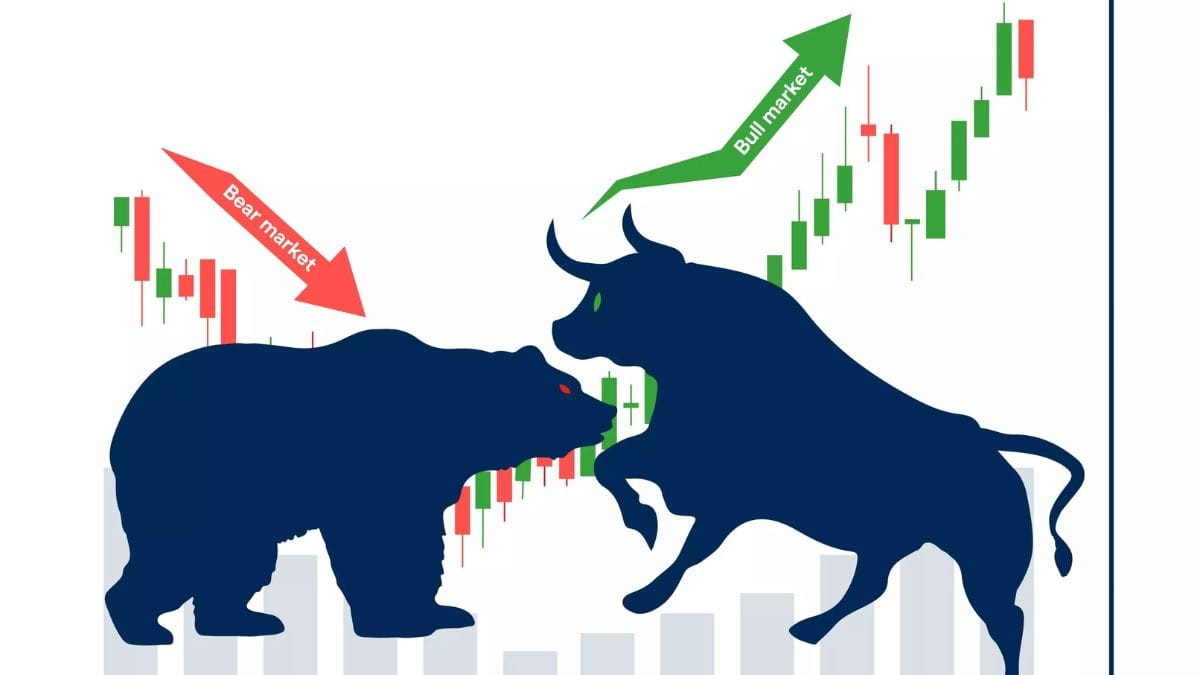
When you hear the term financial market, you might instantly think of the stock market or images of traders shouting numbers on a screen. But financial markets are much more than that. They’re the invisible engines powering everything from your home loan to the savings in your bank.
Whether you’re just starting your financial journey or trying to know how the economy works, this beginner’s guide will help you get a clear picture of what financial markets are and why they matter.
Meaning
Financial markets are places or systems where people buy and sell financial assets, such as stocks, bonds, currencies, and derivatives. These markets allow money to move between those who have it (investors) and those who need it (businesses, governments, or individuals).
In short, financial markets are where money meets opportunity.
They help connect:
- Savers and investors who want to grow their money
- Borrowers like companies and governments that need funds
Without these markets, it would be nearly impossible to raise capital or invest in the economy effectively.
Types
Financial markets come in different shapes and sizes. Each one serves a unique purpose. Here’s a breakdown of the main types:
Major Types of Financial Markets
| Market Type | What It Deals With | Example |
|---|---|---|
| Capital Market | Long-term securities like stocks, bonds | NSE, BSE, NYSE |
| Money Market | Short-term debt instruments | Treasury bills, commercial paper |
| Derivatives Market | Contracts based on other assets | Futures, options |
| Forex Market | Currencies | USD/INR, EUR/USD trading |
| Commodity Market | Physical goods | Gold, silver, oil, wheat |
| Credit Market | Loans and credit instruments | Bank loans, credit cards |
Let’s go a bit deeper into the most common ones.
Capital Market
The capital market is where companies raise long-term funds. It includes:
- Stock Market – Where investors buy and sell shares of public companies.
- Bond Market – Where governments or corporations borrow money from investors in return for fixed interest.
Investors in these markets aim for higher returns, but also face higher risks.
Money Market
This market is all about short-term lending and borrowing, usually for less than a year. It’s mostly used by governments, banks, and large corporations.
Instruments include:
- Treasury bills (T-bills)
- Commercial paper
- Certificates of deposit
Though the returns are lower, the risk is also minimal. Think of it like a safer, low-return parking space for money.
Forex Market
Also called the foreign exchange market, this is where currencies are traded. It’s the world’s largest financial market, with trillions exchanged daily.
People participate in forex markets for:
- International trade
- Travel currency exchange
- Investment in currency pairs
- Speculative trading
It’s fast-paced, global, and mostly operates 24/7.
Derivatives Market
A bit more advanced, this market deals in contracts whose value is based on an underlying asset like stocks, interest rates, or currencies.
Examples:
- Futures
- Options
- Swaps
Derivatives are mostly used for hedging risk or speculative profits.
Commodity Market
This market allows the trading of raw materials and natural resources.
There are two types of commodities:
- Hard commodities: Gold, oil, metals
- Soft commodities: Agricultural products like wheat, coffee, cotton
You can trade commodities directly or through derivative contracts.
Why It Matters
Financial markets play a huge role in our everyday lives—even if we don’t realize it.
Here’s why they matter:
- Economic growth: Markets help businesses raise capital and expand operations
- Investment opportunities: Individuals can grow their wealth
- Liquidity: Easy to buy or sell assets quickly
- Price discovery: Markets help determine the fair value of assets
- Risk management: Tools like derivatives help manage financial risks
Without financial markets, savings would sit idle, and businesses would struggle to grow.
Participants
There are many different players in financial markets:
- Retail investors – People like you and me
- Institutional investors – Mutual funds, pension funds, insurance companies
- Governments – Issue bonds, regulate markets
- Banks and financial institutions – Provide loans, trade in markets
- Regulators – Like SEBI in India or SEC in the U.S.
Each plays a unique role in keeping the system running smoothly.
Risks
While financial markets bring benefits, they also come with risks:
- Market risk – Prices can go up or down unpredictably
- Credit risk – Borrowers may not repay loans
- Liquidity risk – You may not be able to sell assets quickly
- Fraud and manipulation – Poor regulations can lead to scams
That’s why regulators exist—to protect investors and maintain fairness.
Tips
If you’re new to financial markets, here are a few tips to get started:
- Learn the basics before investing
- Start small with mutual funds or index funds
- Avoid speculation unless you understand the risks
- Follow market news to stay updated
- Use trusted platforms and brokers
Financial markets can feel overwhelming at first, but once you know how they work, they open up exciting opportunities to grow your wealth and understand the broader economy. From stocks to currency, from loans to commodities, it’s all part of the big financial machine that keeps the world running.
FAQs
What are financial markets in simple terms?
They’re places where people buy and sell financial assets like stocks.
What is the main role of financial markets?
To connect savers with borrowers and support economic growth.
Is the stock market a financial market?
Yes, it’s part of the capital market, a type of financial market.
What is the difference between money and capital market?
Money markets deal with short-term funds, capital markets with long-term.
Can beginners invest in financial markets?
Yes, start with simple options like mutual funds or index funds.