Across the United States, a major shift in road safety enforcement is changing how everyday driving habits are viewed. Eating while driving, once seen as harmless multitasking, is now treated as a serious safety concern. As 2025 unfolds, eating and drinking behind the wheel are increasingly classified as manual distractions, placing them alongside texting and handheld phone use.
Federal and state agencies argue that distracted driving remains one of the most persistent causes of traffic crashes. According to the National Highway Traffic Safety Administration, food and beverage-related distractions can raise crash risk by up to 80 percent when attention is diverted at critical moments. This data is driving tougher enforcement nationwide.
Laws
For years, distracted driving laws focused mainly on smartphones. Texting bans and hands-free rules helped reduce accidents initially, but progress stalled. Crash investigations showed another pattern emerging: eating while driving appeared in nearly one out of five distraction-related incidents.
As a result, lawmakers expanded existing “due care” and reckless driving statutes. These laws now allow officers to issue citations when any activity, including eating or holding a drink, interferes with safe vehicle operation. Importantly, many states now treat eating as a primary offense, meaning drivers can be stopped solely for that behavior.
Penalties
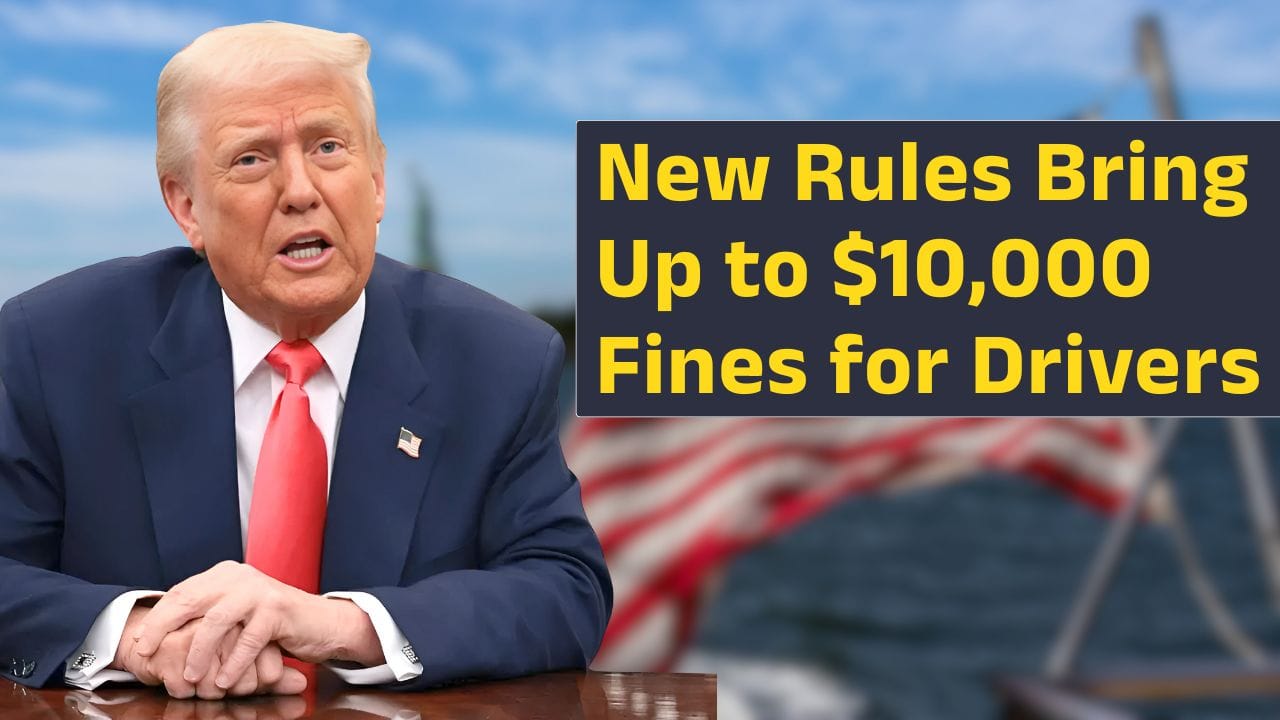
Reports of $10,000 fines have caused alarm, but such penalties apply only in extreme cases. Most states use a graduated penalty system.
| Violation Level | Typical Fine Range | Additional Consequences |
|---|---|---|
| Minor distraction | $100–$300 | Warning or 1–2 points |
| Repeat offense | $500–$1,000 | Higher points, classes |
| Crash-related | $1,000–$10,000 | Suspension or jail |
The highest fines are usually tied to cases involving injury or fatal crashes, where eating is listed as contributing evidence in charges like vehicular endangerment.
Risks
Eating while driving combines three dangerous distractions. Visual distraction happens when drivers look down to unwrap food. Manual distraction occurs when hands leave the wheel. Cognitive distraction arises when attention shifts to avoiding spills rather than traffic.
Research from the Insurance Institute for Highway Safety shows drivers who eat while driving are three times more likely to experience near-miss incidents. Hot beverage spills are especially dangerous, often eliminating reaction time.
States
There is no federal ban on eating while driving. Instead, enforcement varies widely by state.
On the West Coast, California applies reckless driving statutes aggressively. The California Highway Patrol reports that drifting lanes or failing to yield while eating can lead to fines of over $1,000 plus license points.

On the East Coast, New York and New Jersey enforce strict due care laws. These allow officers to stop drivers solely for behaviors that remove hands or attention from the wheel.
High-penalty states include Alaska, where distracted driving causing a crash can be charged as a misdemeanor, and Oregon, which enforces base fines near $1,000 even without a collision.
Costs
The financial impact goes beyond the ticket. Insurance companies often classify eating-while-driving violations as reckless behavior. Premiums can rise more than 30 percent. License points may trigger mandatory safety courses or suspension.
Drivers contesting serious citations often face legal fees reaching several thousand dollars, even when penalties are reduced.
Safety
Experts recommend simple habit changes. Park before eating, prepare food ahead of time, and use spill-proof containers only when stopped. Rest areas and parking lots are safer options, especially during long trips.
This enforcement shift mirrors past changes like seatbelt laws and phone bans. The message is clear: full attention belongs on the road. As enforcement continues through late 2025, the safest and cheapest choice remains eating only when parked.
FAQs
Is eating while driving illegal in 2025?
In many states, it can now trigger a citation.
Can eating lead to a $10,000 fine?
Only in severe crash-related cases.
Is eating a primary offense now?
Yes, in several states.
Does it affect insurance rates?
Yes, premiums may rise over 30 percent.
What is the safest alternative?
Eat only when parked.